Sustainable Agriculture in the US: 3 Innovative Practices Gaining Traction in 2026
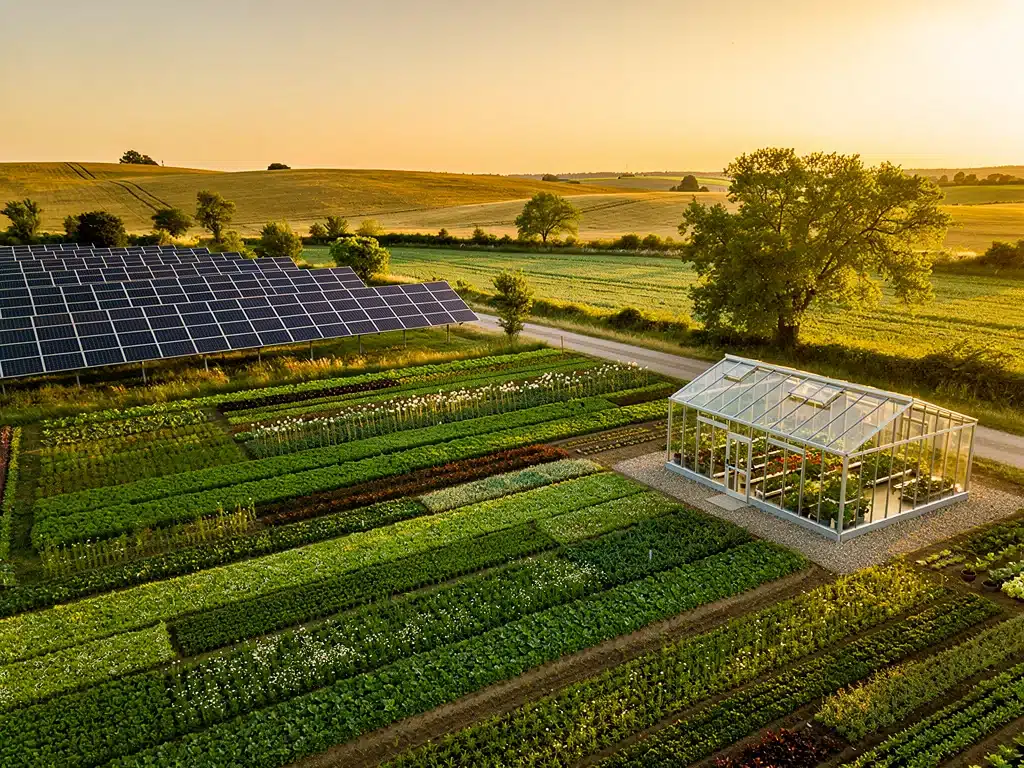
Have you ever wondered how the food on your plate can actively help heal the planet? Driven by environmental demands, Sustainable Agriculture across America is undergoing a quiet revolution, shifting how our nation nourishes both its people and its land.
Forward-thinking farmers are ditching outdated techniques in favor of eco-friendly farming methods that boost crop yields while protecting natural ecosystems. These regenerative techniques are no longer just niche experiments—they are quickly reshaping the future of commercial food production.
From high-tech precision tools to soil restoration strategies, three groundbreaking climate-smart practices are leading the charge this year. Here is a look at the game-changing methods transforming American fields and what they mean for the future of our food supply.
The Urgency for Sustainable Agriculture in the US
The imperative for sustainable agriculture in the US has never been more pronounced, driven by mounting environmental pressures and evolving consumer preferences.
Traditional farming methods face scrutiny for their impact on soil health, water resources, and greenhouse gas emissions, necessitating a rapid transition.
Climate change, characterized by unpredictable weather patterns and extreme events, directly threatens agricultural productivity and food security. This instability underscores the critical need for resilient and adaptive farming practices that can withstand future environmental challenges.
Furthermore, an increasingly informed public demands transparency and ethical sourcing in their food supply.
This consumer-driven shift compels the agricultural sector to adopt practices that not only produce food but also protect the planet, making sustainable agriculture in the US a top priority.
Agritech: Revolutionizing Farming Efficiency
Agritech, encompassing a wide array of technological innovations, is fundamentally changing how food is produced, making farming more efficient, precise, and sustainable.
From advanced sensor networks to AI-driven analytics, these tools empower farmers to optimize resource use like never before.
Precision agriculture, a cornerstone of agritech, uses data from drones, satellites, and ground sensors to apply inputs such as water and fertilizer only where and when needed.
This targeted approach significantly reduces waste and minimizes environmental impact, driving the adoption of sustainable agriculture in the US.
The integration of robotics and automation further enhances efficiency, addressing labor shortages and improving operational precision. These technological advancements are not just about boosting yields; they are about fostering a smarter, more sustainable agricultural ecosystem.
Data-Driven Decision Making
Farmers are increasingly relying on real-time data to make informed decisions, moving away from traditional, often generalized, farming practices.
This shift towards data-driven agriculture allows for dynamic adjustments to planting, irrigation, and pest management strategies, leading to better outcomes.
The deployment of IoT devices across fields provides continuous monitoring of soil conditions, crop health, and environmental factors.
This constant stream of information enables farmers to detect issues early and respond proactively, ensuring optimal growing conditions for every plant.
- Enhanced Yield Prediction: AI algorithms analyze historical and real-time data to forecast yields more accurately.
- Optimized Resource Allocation: Precise application of water and nutrients based on specific crop needs.
- Early Disease Detection: Sensors and imagery identify plant diseases or pests before widespread damage occurs.
Automation and Robotics in the Field
The introduction of autonomous machinery and robotics is transforming labor-intensive tasks, from planting and harvesting to weeding and spraying. These technologies offer unparalleled accuracy and consistency, reducing human error and improving overall farm productivity.
Robots can perform repetitive tasks with greater speed and precision than human labor, often operating around the clock. This not only increases efficiency but also allows human workers to focus on more complex, value-added activities within the agricultural operation.
- Automated Planting: Robots precisely sow seeds at optimal depths and spacing.
- Precision Spraying: Drones and robotic sprayers apply pesticides or herbicides only where necessary.
- Autonomous Harvesting: Specialized robots can pick delicate crops without damage, reducing waste.
Regenerative Agriculture: Healing the Earth
Regenerative agriculture is gaining significant traction as a holistic approach that not only sustains but actively improves ecosystem health, especially soil vitality.
This practice moves beyond merely reducing harm, aiming to restore degraded land and enhance biodiversity, a crucial aspect of sustainable agriculture in the US.
Core principles include minimal soil disturbance, continuous living roots, and diverse crop rotations, all designed to rebuild organic matter and improve the soil’s water-holding capacity.
These methods sequester carbon from the atmosphere, turning farms into carbon sinks rather than sources.
By fostering healthy soil microbiology, regenerative agriculture reduces the need for synthetic fertilizers and pesticides, leading to healthier ecosystems and more nutritious food. This practice is seen as a long-term solution for environmental resilience and agricultural productivity.
Building Soil Health and Biodiversity
The focus on soil health is paramount in regenerative agriculture, as healthy soil is the foundation of a productive and resilient farm. Practices like no-till farming and cover cropping prevent erosion, increase organic matter, and create a thriving microbial environment.
Increased biodiversity, both above and below ground, is another key outcome, leading to more robust ecosystems. Diverse plant life supports a wider range of beneficial insects and microorganisms, creating a natural balance that reduces pest pressure and disease.
- No-Till Farming: Minimizes soil disturbance, preserving soil structure and organic matter.
- Cover Cropping: Plants like clover or rye protect soil, prevent erosion, and add nutrients between cash crops.
- Crop Rotation: Varies crops grown in a field over seasons, breaking pest cycles and improving nutrient cycling.
Carbon Sequestration and Climate Resilience
Regenerative agriculture plays a vital role in mitigating climate change by drawing carbon dioxide from the atmosphere and storing it in the soil.
This process, known as carbon sequestration, helps offset greenhouse gas emissions from other sectors, making it a critical component of sustainable agriculture in the US.
Farms practicing regenerative methods are often more resilient to extreme weather events, such as droughts and floods, due to improved soil structure and water infiltration. Healthier soil acts like a sponge, absorbing excess water and retaining moisture during dry periods.
- Increased Soil Organic Carbon: Enhanced soil health directly correlates with higher carbon storage capacity.
- Improved Water Retention: Organic matter acts as a natural reservoir, reducing irrigation needs.
- Reduced Runoff: Healthy soil structure prevents nutrient loss and protects water quality.
Vertical Farming: Urban Food Production
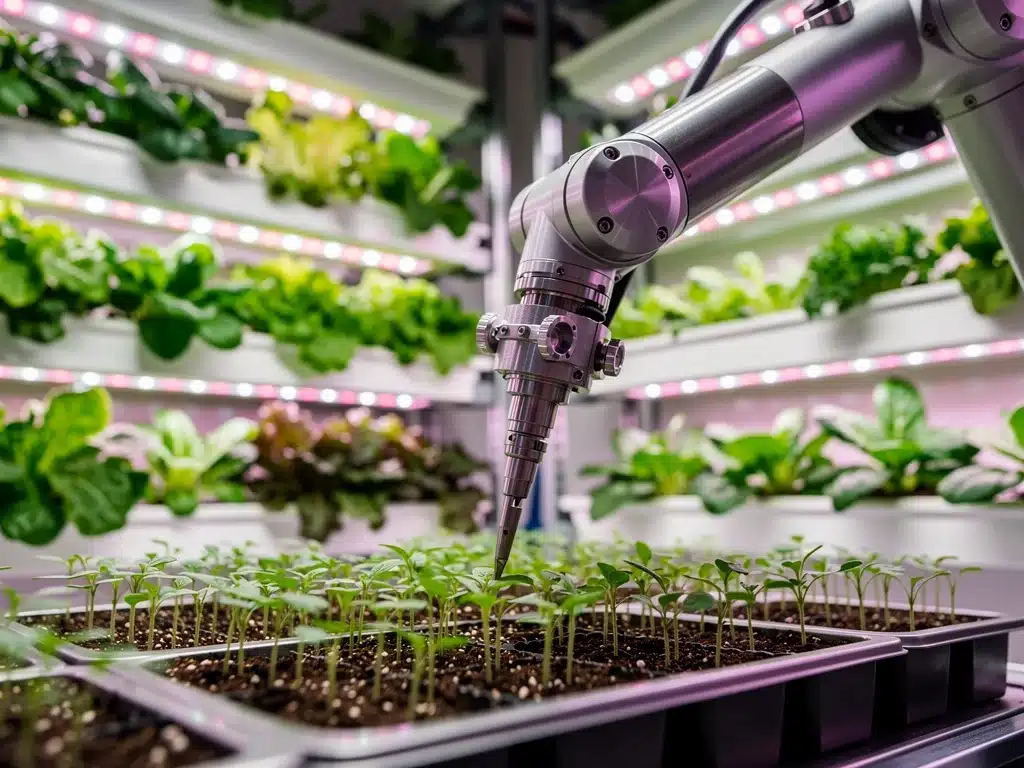
Vertical farming is rapidly emerging as a game-changer for urban food production, addressing space constraints and reducing the carbon footprint associated with long-distance food transportation.
These controlled-environment agricultural systems grow crops in vertically stacked layers, often indoors, utilizing minimal land area.
By operating in urban centers, vertical farms bring fresh produce closer to consumers, drastically cutting down on ‘food miles’ and ensuring year-round availability regardless of external climate conditions.
This localized approach enhances food security and reduces reliance on traditional agricultural regions.
The meticulous control over environmental factors like light, temperature, and humidity allows for optimal plant growth with significantly less water and no pesticides. This efficiency makes vertical farming a highly sustainable model, contributing significantly to sustainable agriculture in the US.
Optimized Resource Use
Vertical farms are engineered for maximum efficiency, particularly in their use of water and land.
Hydroponic, aeroponic, and aquaponic systems recirculate water, reducing consumption by up to 95% compared to conventional field farming, making it a prime example of sustainable agriculture in the US.
The ability to grow crops in stacked layers means that a small urban footprint can produce the equivalent of acres of traditional farmland. This intensive cultivation maximizes output per square foot, making fresh produce accessible in densely populated areas where land is scarce.
- Water Efficiency: Closed-loop systems dramatically reduce water usage.
- Land Optimization: Multi-layered growing maximizes yield in minimal space.
- Nutrient Control: Precise delivery of nutrients directly to plant roots minimizes waste.
Year-Round, Local Production
One of the most compelling advantages of vertical farming is its capacity for year-round production, independent of seasonal changes or adverse weather. This consistent supply stabilizes food prices and ensures a reliable source of fresh, healthy produce for urban populations.
Locating farms within or very close to consumption centers not only reduces transportation costs and emissions but also delivers fresher produce to consumers. This local supply chain minimizes spoilage and extends shelf life, contributing to a more efficient food system.
- Climate Independence: Controlled environments allow for consistent growth regardless of external conditions.
- Reduced Food Miles: Proximity to consumers lowers transportation costs and carbon emissions.
- Enhanced Freshness: Shorter supply chains mean produce reaches consumers faster and fresher.
Policy and Investment Driving Adoption
Government policies and private investments are playing a pivotal role in accelerating the adoption of sustainable agriculture in the US.
Recognizing the long-term benefits, federal and state agencies are implementing incentives, research grants, and educational programs to support innovative farming practices.
Subsidies for cover cropping, grants for agritech research, and tax credits for vertical farm installations are becoming more common, signaling a strong commitment to sustainable transitions.
These financial mechanisms help farmers overcome the initial costs associated with adopting new technologies and methods.
Private capital is also flowing into the sector, with venture capitalists and impact investors seeing significant potential in sustainable food systems.
This combined public and private support is crucial for scaling these innovative practices across the nation, further solidifying sustainable agriculture in the US.
Government Initiatives and Support
Various government programs are designed to encourage farmers to transition to more sustainable practices. The USDA, for instance, offers conservation programs that provide financial and technical assistance for implementing regenerative farming techniques.
State-level initiatives often complement federal efforts, focusing on local environmental concerns and economic development.
These programs aim to make sustainable agriculture more accessible and economically viable for a broader range of farmers, from small family farms to large commercial operations.
- Conservation Stewardship Program (CSP): Rewards farmers for maintaining and improving conservation practices.
- Environmental Quality Incentives Program (EQIP): Provides financial and technical assistance for conservation practices.
- Research and Development Grants: Funds innovation in agritech and sustainable farming methods.
Private Sector Engagement and Investment
The private sector is increasingly investing in sustainable agriculture, driven by both market demand and corporate social responsibility goals. Food companies are partnering with farmers to source sustainably grown ingredients, creating a strong market pull for these practices.
Venture capital firms are pouring funds into agritech startups and vertical farming enterprises, recognizing the potential for high returns and positive environmental impact. This influx of private capital is essential for scaling innovative solutions and bringing them to market more quickly.
- Impact Investing: Funds directed towards sustainable agriculture projects that generate both financial returns and positive social/environmental impact.
- Corporate Partnerships: Food brands collaborating with farmers for sustainable sourcing and supply chain transparency.
- Agritech Startups: Innovation hubs developing new technologies for precision farming and resource efficiency.
Challenges and Future Outlook
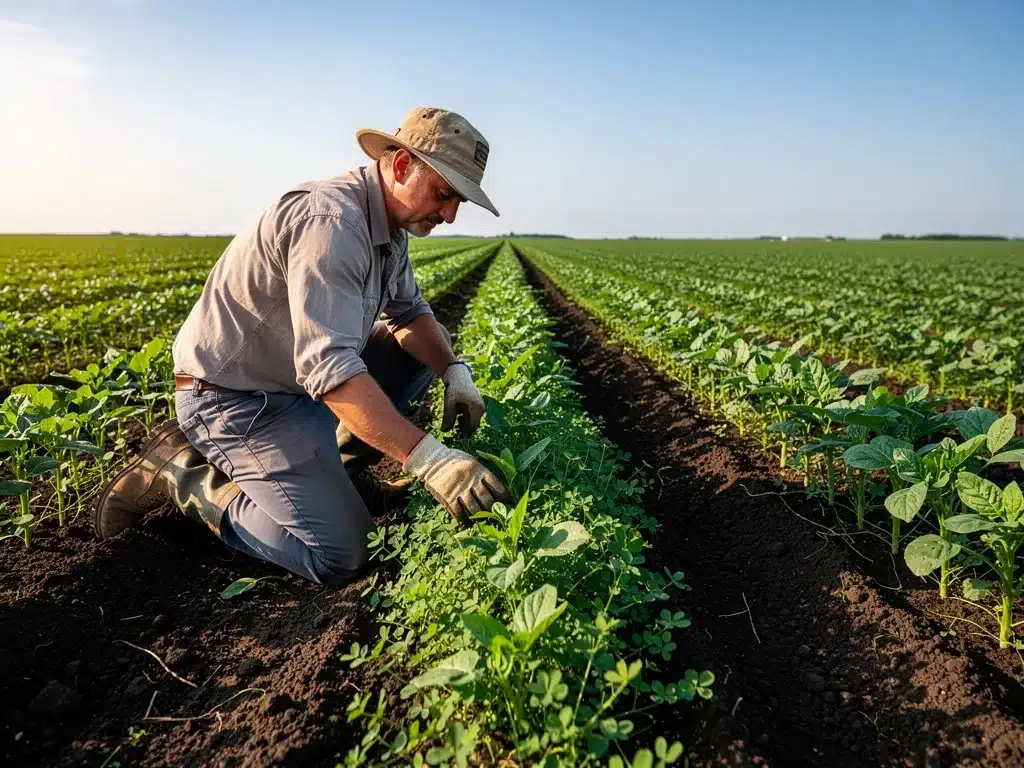
Despite the rapid advancements, the path to widespread adoption of sustainable agriculture in the US faces several challenges, including high upfront costs, the need for specialized knowledge, and resistance to change.
Overcoming these hurdles is critical for realizing the full potential of these innovative practices.
Educating farmers and consumers about the benefits and practicalities of sustainable methods is paramount. Universities, extension services, and non-profits are playing a crucial role in disseminating information and providing training, ensuring a skilled workforce for the future.
Looking ahead, continued research and development will be essential to refine existing technologies and discover new solutions. The integration of AI and machine learning will further enhance precision, making sustainable agriculture in the US even more efficient and productive.
Overcoming Adoption Barriers
The initial investment required for agritech equipment, vertical farm infrastructure, or transitioning to regenerative practices can be substantial, posing a significant barrier for many farmers. Access to affordable financing and incentives is crucial to ease this transition.
Additionally, a knowledge gap often exists, as sustainable farming methods require a different skill set and understanding compared to conventional agriculture. Comprehensive training programs and peer-to-peer learning networks can help bridge this divide and accelerate adoption.
- Financial Incentives: Subsidies, grants, and low-interest loans to reduce upfront costs.
- Educational Programs: Workshops, field days, and online courses to build expertise.
- Demonstration Farms: Showcasing successful sustainable practices to inspire and educate.
The Role of Consumer Demand
Consumer demand is a powerful driver for the widespread adoption of sustainable agriculture in the US. As consumers become more aware of the environmental and health benefits of sustainably produced food, their purchasing choices directly influence agricultural practices.
Clear labeling and certification programs can help consumers identify products grown using sustainable methods, empowering them to make informed decisions. This market pressure incentivizes farmers and food companies to invest further in eco-friendly practices.
- Preference for Organic/Local: Growing consumer preference for sustainably sourced food.
- Awareness Campaigns: Educating the public on the benefits of sustainable agriculture.
- Certification Programs: Providing transparency and trust in sustainable product claims.
Global Context and US Leadership
The United States is positioned to be a global leader in sustainable agriculture, given its vast agricultural land, technological prowess, and robust research institutions.
The innovations gaining traction here are not only transforming domestic food systems but also offering scalable solutions for global challenges.
International collaborations and knowledge sharing are vital for accelerating progress worldwide. The lessons learned and technologies developed within the US can provide blueprints for other nations striving to achieve food security and environmental sustainability.
By championing sustainable agriculture in the US, the nation contributes significantly to global efforts to combat climate change, protect biodiversity, and ensure a resilient food supply for a growing global population.
This leadership role underscores the importance of continued investment and innovation in the sector.
| Key Practice | Brief Description |
|---|---|
| Agritech | Technology for precision farming, automation, and data-driven decisions. |
| Regenerative Agriculture | Practices focusing on soil health, biodiversity, and carbon sequestration. |
| Vertical Farming | Indoor, stacked cultivation for urban, year-round, resource-efficient food production. |
| Policy & Investment | Government incentives and private funding accelerating adoption. |
Frequently Asked Questions About Sustainable Agriculture in the US
Sustainable agriculture in the US offers numerous benefits, including improved soil health, reduced water usage, decreased reliance on synthetic chemicals, enhanced biodiversity, and significant contributions to climate change mitigation through carbon sequestration. It also leads to more resilient food systems and healthier, locally sourced produce for consumers.
Agritech is revolutionizing US farming by enabling precision agriculture through data analytics, sensors, and AI, optimizing resource use. It also introduces automation and robotics for tasks like planting and harvesting, improving efficiency, reducing labor costs, and minimizing environmental impact, thus making sustainable agriculture in the US more viable.
Regenerative agriculture is crucial for environmental sustainability by focusing on rebuilding soil organic matter and restoring biodiversity. Practices like no-till, cover cropping, and diverse rotations enhance soil health, increase carbon sequestration, improve water retention, and reduce the need for chemical inputs, making it a cornerstone of sustainable agriculture in the US.
Vertical farming is gaining traction in urban areas due to its ability to produce food year-round in minimal space, close to consumers. This reduces transportation costs and emissions, ensures freshness, and uses significantly less water than traditional farming. It addresses urban food deserts and enhances food security, contributing to sustainable agriculture in the US.
Key challenges include high upfront costs for new technologies and infrastructure, the need for specialized knowledge and training, and potential resistance to change from traditional farming methods. Overcoming these requires robust government incentives, private investment, and comprehensive educational programs to support farmers in transitioning to sustainable agriculture in the US.
Perspectives on Sustainable Agriculture in the US
The ongoing evolution of sustainable agriculture in the US signifies a critical turning point for the nation’s food systems and environmental stewardship.
The increasing adoption of agritech, regenerative agriculture, and vertical farming underscores a collective commitment to innovation and resilience.
Stakeholders should closely monitor policy developments, investment trends, and consumer shifts, as these factors will continue to shape the trajectory of sustainable agriculture in the US, driving further advancements and broader implementation across the country.
