EV Future 2026: Range, Charging & Benefits
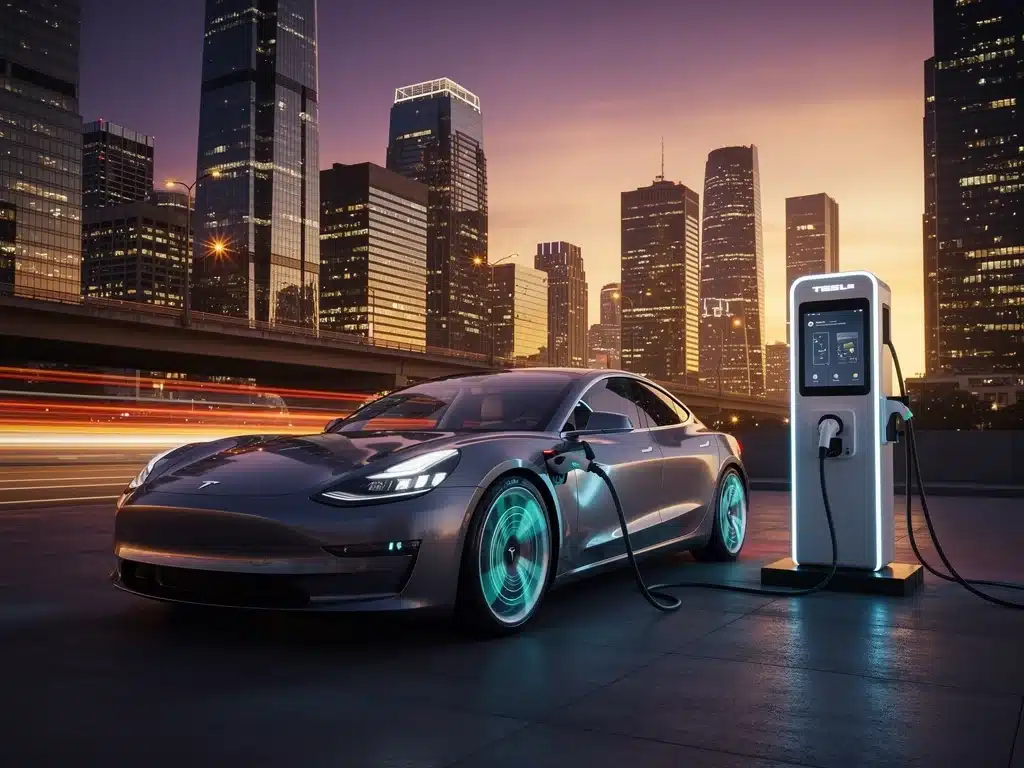
Are you ready to say goodbye to the gas pump for good? As automotive technology accelerates, the future of Electric Vehicles is no longer a distant vision—it is actively redefining our daily commutes right now.
Drivers across the nation are watching a massive shift toward cleaner, smarter, and incredibly efficient transportation options.
The latest generation of battery-powered mobility directly answers the biggest questions consumers have about making the switch.
Rapid breakthroughs in real-world driving distance mean longer trips require fewer stops. Meanwhile, an exponentially growing public power network ensures that plugging in your ride is becoming as seamless as charging your smartphone.
Beyond the convenience of ultra-fast refueling, the shift to zero-emission driving offers massive advantages for both your wallet and the planet. Let’s break down the essential metrics of range, infrastructure, and ecological perks so you can confidently navigate the next era of sustainable travel.
Advancements in EV Range for 2026 Models
By 2026, electric vehicle range is projected to reach unprecedented levels, addressing one of the primary concerns for prospective buyers. New battery chemistries and improved energy density are central to these advancements, pushing average ranges well beyond current standards.
Manufacturers are focusing on optimizing vehicle aerodynamics and power management systems, further contributing to extended driving distances on a single charge.
This holistic approach ensures that range improvements are not solely reliant on larger, heavier battery packs, but rather on overall efficiency.
These developments are critical for the mass adoption of EVs, as they mitigate range anxiety and make electric travel more practical for long-distance journeys. The competitive landscape among automakers is driving rapid innovation, benefiting consumers with more capable and versatile vehicles.
Battery Technology Breakthroughs
Lithium-ion batteries remain the dominant technology, but significant improvements in their composition are underway.
Solid-state batteries, though still largely in development, show immense promise for higher energy density and faster charging, potentially becoming more prevalent by the latter half of the decade.
Beyond solid-state, advancements in silicon-anode and cobalt-free cathodes are boosting performance and reducing reliance on critical minerals.
These innovations contribute to lighter, more powerful, and ultimately more sustainable battery solutions for the future of Electric Vehicles.
- Enhanced energy density in current lithium-ion cells.
- Pilot production of solid-state battery cells for select models.
- Increased use of sustainable materials in battery manufacturing.
Impact on Consumer Confidence
Longer ranges directly translate to increased consumer confidence, making EVs a more viable alternative to gasoline-powered cars. The psychological barrier of needing frequent recharges for daily commutes or road trips is steadily diminishing.
As ranges extend, consumers perceive EVs as more practical and less restrictive, accelerating the shift away from internal combustion engine vehicles.
This positive feedback loop encourages further investment in EV technology and infrastructure, solidifying the market’s growth trajectory.
Evolving Charging Infrastructure in the US by 2026
The expansion and modernization of charging infrastructure are paramount to supporting the growing fleet of EVs. By 2026, the United States anticipates a significantly more robust and accessible network of charging stations, addressing both urban and rural needs.
Government initiatives, coupled with private sector investments, are accelerating the deployment of fast chargers along major highways and in public spaces. This coordinated effort aims to reduce charging times and ensure convenience for all EV owners, regardless of their location.
The focus is not just on quantity but also on quality, with an emphasis on high-power DC fast chargers and reliable, user-friendly payment systems. Interoperability between different charging networks is also a key area of improvement, streamlining the charging experience for drivers.
Public and Private Sector Collaboration
The Bipartisan Infrastructure Law allocates billions to build out a national EV charging network, prioritizing equitable access. This federal funding stimulates private companies to invest further in station deployment and technological innovation.
Partnerships between automakers, energy companies, and charging providers are becoming more common, creating integrated ecosystems for seamless charging.
These collaborations are crucial for standardizing charging protocols and enhancing the overall user experience across various platforms.
- Federal grants supporting national charging corridors.
- Automaker investments in proprietary and public charging networks.
- Energy companies integrating EV charging into smart grid solutions.
Home Charging Solutions and Innovations
While public charging is expanding, home charging remains the primary method for most EV owners, and innovations continue in this space. Smart chargers offer features like scheduled charging during off-peak hours and integration with home energy management systems.
Bidirectional charging, or vehicle-to-grid (V2G) technology, is also gaining traction, allowing EVs to feed power back into the home or grid.
This not only provides energy resilience but also positions EVs as active participants in future smart energy networks, enhancing their utility beyond transportation.
Environmental Benefits of Electric Vehicles
The environmental advantages of electric vehicles are a core driver of their global adoption. Reducing greenhouse gas emissions and improving air quality are primary benefits, directly contributing to public health and climate change mitigation efforts.
EVs produce zero tailpipe emissions, which significantly lowers urban air pollution, particularly particulate matter and nitrogen oxides. This leads to fewer respiratory illnesses and a healthier living environment in densely populated areas.
Furthermore, as electricity grids become greener, powered increasingly by renewable sources like solar and wind, the overall carbon footprint of EVs continues to shrink. This makes the future of Electric Vehicles an even more compelling solution for sustainable transportation.
Reduced Carbon Footprint
The lifecycle emissions of EVs, from manufacturing to end-of-life, are generally lower than those of conventional gasoline cars. This advantage becomes more pronounced as battery production processes become more efficient and materials are recycled.
Studies consistently show that even when powered by electricity generated from fossil fuels, EVs still result in lower overall emissions due to the greater efficiency of electric motors. The ongoing decarbonization of electricity generation further amplifies this positive impact.
Air Quality Improvement
The absence of tailpipe emissions is a direct boon for local air quality, particularly in urban centers. Cities with higher EV adoption rates can expect to see reductions in smog and other harmful pollutants.
This improvement has tangible public health benefits, reducing rates of asthma, bronchitis, and other respiratory conditions. The quiet operation of EVs also contributes to reduced noise pollution, enhancing urban living conditions.
- Zero tailpipe emissions directly improve urban air.
- Lower incidence of respiratory diseases in areas with high EV adoption.
- Reduced noise pollution from electric powertrains.
Economic Impact and Consumer Incentives
The economic landscape surrounding EVs is becoming increasingly favorable, driven by declining battery costs and various government incentives.
These factors make the ownership of future of Electric Vehicles more accessible and financially attractive to a broader demographic.
Federal tax credits, state rebates, and local programs significantly reduce the upfront purchase price of new EVs. These incentives are crucial for stimulating demand and offsetting the initial cost difference compared to gasoline vehicles.
Beyond purchase incentives, EV owners often benefit from lower operating costs due to cheaper electricity compared to gasoline, and reduced maintenance needs. This long-term savings potential is a key economic driver for EV adoption.
Cost of Ownership Advantages
Fueling an EV with electricity is typically more cost-effective than purchasing gasoline, especially when charging at home during off-peak hours. The price volatility of fossil fuels also makes electricity a more stable and predictable expense.
Electric vehicles generally have fewer moving parts than internal combustion engine vehicles, leading to lower maintenance requirements and reduced service costs over their lifespan. This translates to significant savings for owners over several years.
Government Policies and Subsidies
Various government policies, including tax credits, rebates, and grants, are designed to accelerate EV adoption. The Inflation Reduction Act, for instance, offers substantial tax credits for new and used EVs, provided they meet specific manufacturing and battery component sourcing requirements.
These policies not only encourage consumers to buy EVs but also incentivize manufacturers to invest in domestic production and supply chains. This creates jobs and fosters economic growth within the green energy sector, bolstering the future of Electric Vehicles market.
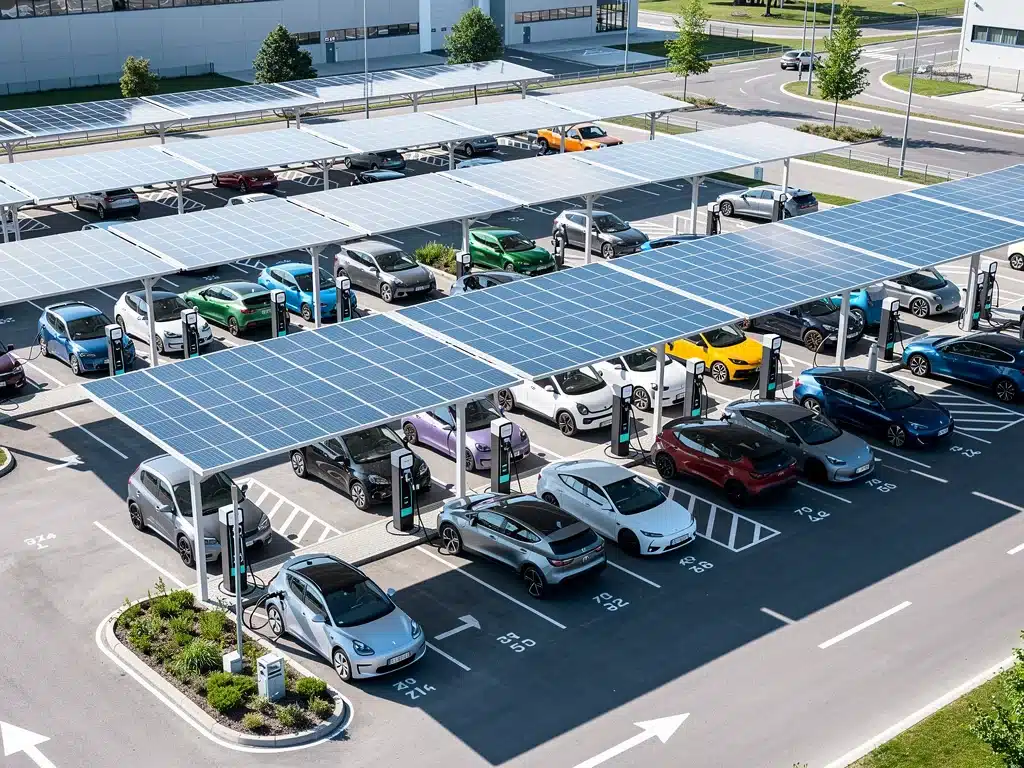
Technological Innovations Beyond Range and Charging
The evolution of electric vehicles extends beyond just battery range and charging speed. Significant innovations are emerging in vehicle-to-everything (V2X) communication, advanced driver-assistance systems (ADAS), and smart energy integration.
These technological leaps are transforming EVs into connected, intelligent platforms that enhance safety, convenience, and energy efficiency. The integration of artificial intelligence and machine learning is also playing a crucial role in optimizing vehicle performance and user experience.
The future of Electric Vehicles will be defined not only by their electric powertrains but also by their sophisticated digital capabilities, making them integral components of smart cities and intelligent transportation systems.
Vehicle-to-Everything (V2X) Communication
V2X technology allows EVs to communicate with other vehicles (V2V), infrastructure (V2I), pedestrians (V2P), and the grid (V2G). This interconnectedness enables real-time traffic updates, accident prevention, and optimized route planning.
For example, V2I communication can help EVs optimize speed for green light sequences, reducing energy consumption and travel time. V2G capabilities, as mentioned, allow EVs to act as mobile energy storage units, supporting grid stability and resilience.
- Real-time traffic and hazard warnings via V2V.
- Optimized energy usage through V2I communication.
- Enhanced grid stability with V2G capabilities.
Autonomous Driving and Safety Features
Advanced driver-assistance systems (ADAS) are becoming standard in many EVs, offering features like adaptive cruise control, lane-keeping assist, and automatic emergency braking. These systems significantly enhance safety and reduce driver fatigue.
The underlying electric platform often provides a better foundation for autonomous driving capabilities due to instant torque delivery and precise control.
By 2026, higher levels of autonomous driving are expected to be available in a wider range of EV models, further improving safety and convenience.
Challenges and Future Outlook for EVs
Despite rapid progress, challenges remain for the widespread adoption of EVs, including raw material sourcing, battery recycling, and grid capacity concerns. Addressing these issues is vital for the sustainable growth of the EV market.
The demand for critical minerals like lithium, cobalt, and nickel is increasing, necessitating ethical sourcing and robust recycling programs. Developing closed-loop battery lifecycles is a key focus for reducing environmental impact and ensuring long-term sustainability.
Furthermore, ensuring that the electricity grid can handle the increased load from EV charging, especially during peak times, requires significant investment and smart grid management solutions. These challenges are being actively addressed by governments and industry leaders.
Raw Material Supply Chain
Securing a stable and ethical supply of raw materials for batteries is a critical concern. Efforts are underway to diversify sourcing, develop alternative battery chemistries that use less critical minerals, and enhance recycling infrastructure.
Investment in domestic mining and processing capabilities in the US aims to reduce reliance on foreign supply chains and improve transparency. This strategic focus ensures the long-term viability and sustainability of the future of Electric Vehicles production.
Grid Modernization and Renewable Integration
The increased demand from EV charging necessitates significant upgrades to the electrical grid. This includes strengthening transmission and distribution lines, implementing smart grid technologies, and integrating more renewable energy sources.
Smart charging solutions, demand response programs, and battery storage are crucial for balancing the grid and ensuring reliable power. The transition to a fully electric transportation system is intrinsically linked to the modernization and decarbonization of the energy sector.
Comparing EV Models Expected in 2026
The 2026 market will offer an even broader array of electric vehicle models, catering to diverse consumer preferences and budgets. From compact urban cars to high-performance trucks and SUVs, the variety will be unprecedented.
Manufacturers are continually refining their lineups, introducing new platforms designed specifically for electric powertrains, which optimize space, performance, and efficiency. This dedicated approach allows for greater innovation compared to adapting existing fossil-fuel platforms.
Consumers can expect significant improvements in interior space, infotainment systems, and overall driving dynamics, making the future of Electric Vehicles highly competitive across all vehicle segments.
New Entrants and Established Brands
Established automotive giants are accelerating their EV development, bringing a wealth of engineering and manufacturing expertise to the electric market. Simultaneously, new EV startups continue to emerge, pushing boundaries with innovative designs and technologies.
This competitive environment benefits consumers by driving down prices and increasing feature sets. The race to dominate the EV market is leading to rapid advancements and a wider selection of vehicles for every need.
Performance and Efficiency Metrics
Beyond range, performance metrics such as acceleration, handling, and towing capacity are continually improving in EVs. Electric powertrains offer instant torque, providing exhilarating acceleration and a smooth, quiet ride.
Efficiency, measured in miles per kilowatt-hour (mpkWh), is also a key focus, as it directly impacts running costs and environmental footprint. The future of Electric Vehicles will set new benchmarks in both performance and energy efficiency.
| Key Aspect | 2026 Outlook |
|---|---|
| EV Range | Average ranges significantly extended, surpassing 300 miles for many models. |
| Charging Speed | Widespread availability of ultra-fast DC chargers, enabling 80% charge in under 20 minutes. |
| Environmental Benefits | Further reduction in carbon footprint as grids decarbonize and battery recycling improves. |
| Infrastructure | National charging networks more robust, with enhanced interoperability and reliability. |
Frequently Asked Questions About Electric Vehicles in 2026
By 2026, many mainstream electric vehicles are projected to offer an average range exceeding 300 miles on a single charge. High-end models may push towards 400 miles or more, thanks to advancements in battery technology and overall vehicle efficiency. This significant improvement will largely mitigate range anxiety for most drivers.
The US charging infrastructure is expected to see substantial growth by 2026, with a denser network of DC fast chargers along major routes and in urban centers. Enhanced reliability, better interoperability between networks, and easier payment systems will also be key improvements, making charging more convenient and efficient for users.
The primary environmental benefits of EVs in 2026 include continued reductions in greenhouse gas emissions and significant improvements in urban air quality due to zero tailpipe emissions. As electricity grids increasingly rely on renewable energy sources, the overall carbon footprint of EVs, from production to operation, will further decrease.
Yes, EVs are expected to become more affordable by 2026. Declining battery costs, increased production volumes, and ongoing government incentives like tax credits and rebates will contribute to lower purchase prices. This trend, combined with lower operating and maintenance costs, will make EV ownership more accessible to a wider consumer base.
Beyond improved range and charging, expect significant innovations in V2X communication, advanced driver-assistance systems (ADAS), and smart energy integration. These technologies will enhance safety, connectivity, and allow EVs to interact with the grid, potentially providing power back to homes or the network, making them more versatile and intelligent.
Looking Ahead
The trajectory for the Future of Electric Vehicles 2026 is one of continuous and accelerated innovation, promising more capable, accessible, and environmentally beneficial transportation.
The convergence of extended range, robust charging infrastructure, and enhanced technological features positions EVs as a central pillar of sustainable development.
As these advancements unfold, monitoring policy changes, infrastructure build-out, and new model releases will be key to understanding the full impact on society and the environment.
