The Impact of Climate Change on US Agriculture: 2026 Adaptation Strategies for Farmers
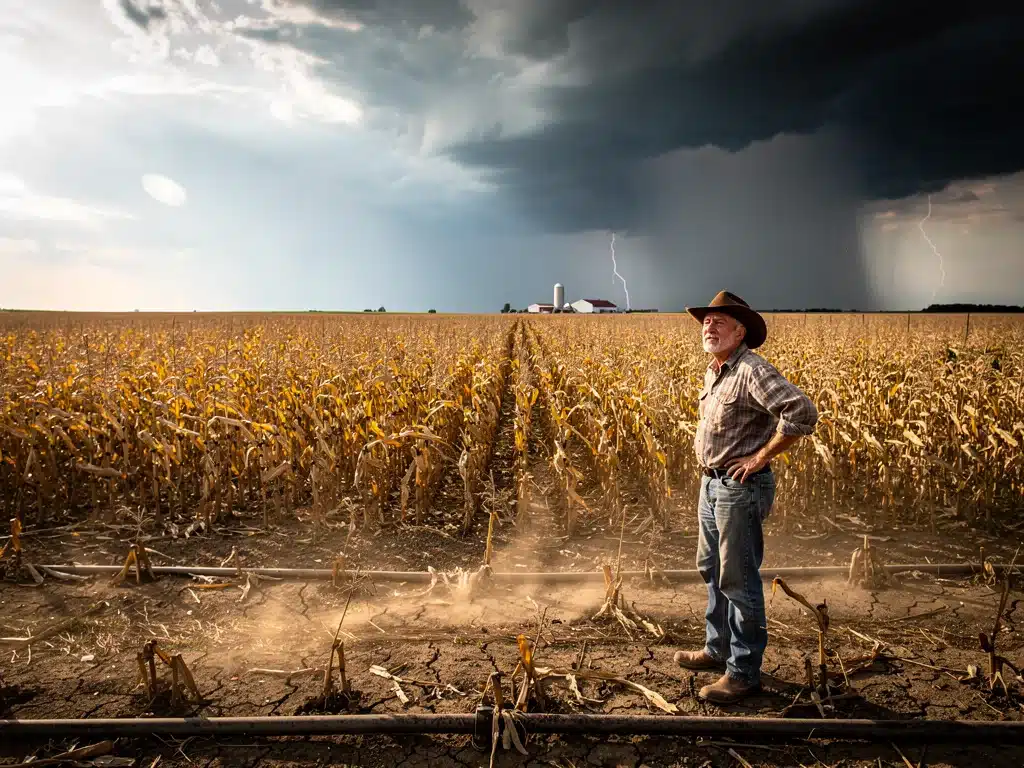
Have unpredictable weather patterns and shifting growing seasons made farming more challenging than ever? Embracing proactive US agriculture climate adaptation measures is rapidly becoming essential to protecting crop yields and keeping modern farms profitable.
As we move through 2026, American food production faces unprecedented environmental pressures, driving rapid advancements in resilient agrarian techniques.
Emerging sustainable farming solutions are empowering growers to safeguard their soil, optimize water usage, and manage unpredictable local climates.
Whether you manage vast commercial acres or a localized operation, adopting these forward-thinking environmental strategies builds long-term economic stability. Here is how modern agricultural practitioners are turning ecological shifts into actionable opportunities for survival and growth.
Understanding the Evolving Climate Landscape for US Agriculture
The climate landscape for US agriculture is undergoing rapid and significant changes, characterized by more frequent extreme weather events, shifting growing seasons, and increased water scarcity in key regions.
These environmental shifts directly threaten crop yields, livestock health, and overall farm profitability.
Farmers are increasingly confronting prolonged droughts, intense heatwaves, and unseasonal frosts, which disrupt traditional farming calendars and necessitate urgent adjustments to established practices.
The unpredictability of these conditions makes long-term planning more complex, requiring a flexible and resilient approach to agricultural management.
Recognizing the urgency, policymakers and agricultural researchers are collaborating to develop comprehensive frameworks that support farmers in mitigating these risks and building a more sustainable future.
The focus is on providing actionable strategies that can be implemented effectively by 2026 to safeguard agricultural productivity.
Key Climate Change Impacts on US Agricultural Productivity
The immediate effects of climate change are already evident in various agricultural regions across the United States, manifesting as altered precipitation patterns and increased pest and disease pressures.
These factors are directly contributing to reduced crop yields and higher operational costs for farmers.
Specific regions are experiencing unprecedented challenges, with the Southwest facing acute water shortages and the Midwest grappling with more intense rainfall and flooding. These localized impacts underscore the need for regionally tailored adaptation strategies rather than a one-size-fits-all approach.
Beyond crop production, livestock farming is also under considerable stress due to heat stress, reduced forage availability, and changes in disease vectors. Addressing these multifaceted impacts is crucial for maintaining the viability of the entire agricultural supply chain.
Water Scarcity and Management Challenges
Water scarcity remains one of the most critical challenges facing US agriculture, particularly in arid and semi-arid regions. Diminished snowpacks and altered rainfall patterns are reducing the availability of irrigation water, forcing farmers to explore more efficient water use techniques.
The competition for water resources is intensifying, requiring innovative solutions and policy adjustments to ensure equitable distribution and sustainable management. Farmers are actively seeking ways to minimize water consumption while maximizing crop health and productivity.
- Implementing precision irrigation systems like drip and micro-irrigation.
- Adopting drought-resistant crop varieties that require less water.
- Investing in water recycling and rainwater harvesting technologies.
Extreme Weather Events and Crop Vulnerability
The escalating frequency and intensity of extreme weather events, including hurricanes, tornadoes, and severe hailstorms, pose significant threats to crop vulnerability and agricultural infrastructure.
These events can devastate entire harvests, leading to substantial economic losses for farmers.
Understanding the localized risks associated with these events is paramount for developing effective mitigation and recovery plans. Farmers are increasingly relying on advanced weather forecasting and early warning systems to protect their investments.
- Utilizing weather-resistant crop varieties and protective structures.
- Diversifying crop portfolios to spread risk across different growing conditions.
- Securing comprehensive crop insurance to buffer against financial losses.
Innovative Adaptation Strategies for US Farmers by 2026
By 2026, US farmers must integrate innovative adaptation strategies into their operations to build resilience against the ongoing effects of climate change.
These strategies encompass technological advancements, sustainable land management, and diversification of agricultural practices.
The adoption of precision agriculture, genetic modification, and advanced data analytics is becoming increasingly vital for optimizing resource use and enhancing productivity. These tools allow farmers to make informed decisions that reduce environmental impact while improving yields.
Moreover, fostering a culture of innovation and collaboration among farmers, researchers, and policymakers will be essential for identifying and scaling up effective solutions. The goal is to create a robust and adaptable agricultural system capable of thriving in a changing climate.
Precision Agriculture and Smart Farming Technologies
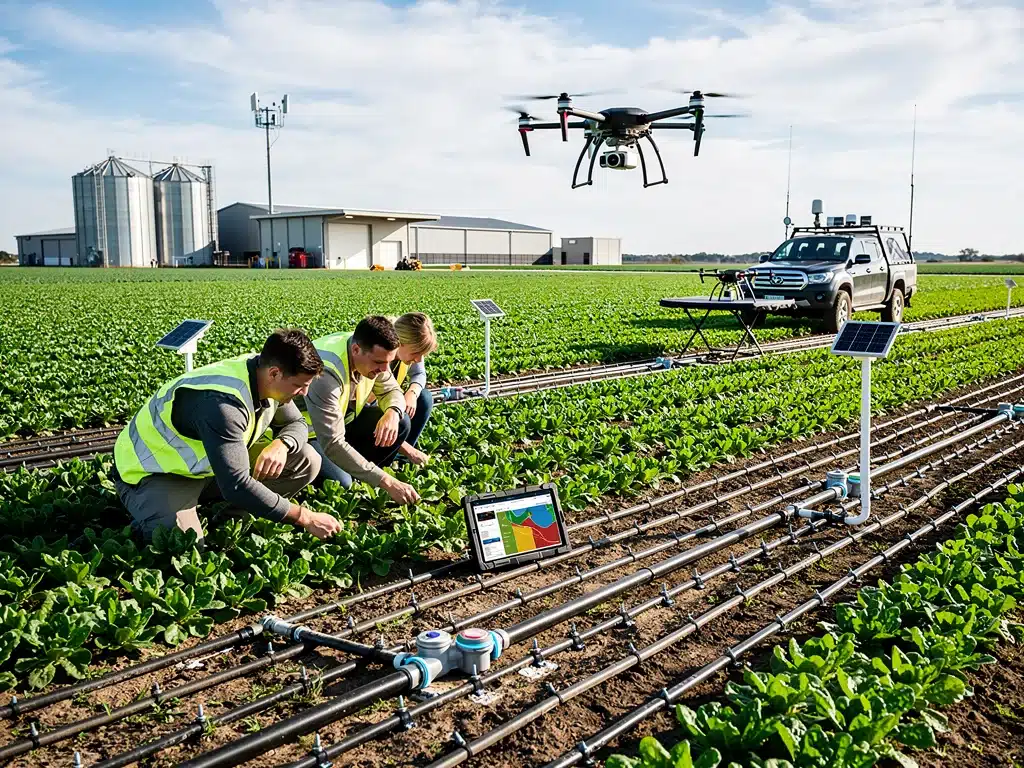
Precision agriculture leverages advanced technologies such as GPS, sensors, and drones to optimize farming practices, enabling farmers to apply resources like water and fertilizer more efficiently.
This targeted approach minimizes waste and maximizes output, which is crucial for The Impact of Climate Change on US Agriculture.
Smart farming technologies provide real-time data on soil conditions, crop health, and weather patterns, empowering farmers to make data-driven decisions. These insights are invaluable for responding quickly to environmental stressors and improving overall farm management.
Investing in these technologies is a key component of modernizing US agriculture, making it more resilient and sustainable. The integration of artificial intelligence and machine learning is further enhancing the capabilities of precision farming.
Drought-Resistant Crops and Soil Health Management
Developing and deploying drought-resistant crop varieties is a cornerstone of adaptation for regions prone to water scarcity.
These crops are engineered to withstand prolonged dry periods, ensuring continued food production even under adverse conditions, a critical aspect of US agriculture climate adaptation.
Alongside genetic improvements, robust soil health management practices, including cover cropping, no-till farming, and organic matter enrichment, are vital for improving water retention and nutrient cycling. Healthy soil acts as a buffer against both drought and excessive rainfall.
These practices not only enhance resilience but also contribute to carbon sequestration, making agriculture a part of the climate solution. Promoting widespread adoption of these methods is paramount for the long-term sustainability of US farming.
Policy and Economic Support for Climate Adaptation in Agriculture
Effective climate adaptation in US agriculture requires substantial policy and economic support from both federal and state governments. These frameworks are essential for incentivizing farmers to adopt new practices and invest in necessary technologies.
Government programs offering financial assistance, research grants, and technical guidance play a pivotal role in accelerating the transition to climate-resilient farming. Such support reduces the financial burden on farmers and encourages innovation.
Furthermore, robust agricultural insurance programs designed to cover climate-related losses are critical for providing a safety net and promoting stability within the sector. These policies are integral to addressing The Impact of Climate Change on US Agriculture effectively.
Government Initiatives and Funding Programs
Federal agencies like the USDA are implementing various initiatives aimed at supporting climate adaptation in agriculture, including conservation programs and disaster relief funds. These programs provide crucial financial lifelines and resources for farmers to implement sustainable practices.
State-level initiatives often complement federal efforts, offering tailored support that addresses specific regional challenges, such as water conservation in the West or soil health in the Midwest. Collaboration between different governmental levels is vital for comprehensive coverage.
Ensuring that these programs are accessible and well-communicated to all farmers, including small and historically underserved operations, is key to achieving widespread adoption of adaptation strategies. This accessibility directly impacts the success of US agriculture climate adaptation efforts.
Market-Based Incentives and Sustainable Supply Chains
Market-based incentives, such as premium pricing for sustainably grown produce or carbon credit programs, are emerging as powerful drivers for climate-friendly agricultural practices. These incentives reward farmers for adopting methods that benefit the environment.
Developing sustainable supply chains that prioritize climate-resilient farming practices can also create new market opportunities and enhance the economic viability of adaptive agriculture. Consumers are increasingly seeking products that align with environmental values.
Collaborations between farmers, food processors, retailers, and consumers can foster a more resilient and sustainable food system. This holistic approach is fundamental to addressing The Impact of Climate Change on US Agriculture from an economic perspective.
The Role of Research and Development in Future-Proofing Agriculture
Continuous research and development are indispensable for future-proofing US agriculture against the escalating challenges of climate change. Investments in agricultural science and innovation are crucial for discovering new crop varieties, farming techniques, and technological solutions.
Academic institutions and private sector innovators are at the forefront of developing breakthroughs in areas such as biotechnology, soil science, and climate modeling. These advancements provide the tools necessary for farmers to adapt and thrive.
Translating cutting-edge research into practical, farm-level applications is a key objective, ensuring that scientific discoveries directly benefit agricultural producers. This translational research is a critical component of US agriculture climate adaptation.
Advancements in Crop Genetics and Breeding
Breakthroughs in crop genetics and breeding are enabling the development of new plant varieties that are more resilient to extreme temperatures, drought, and emerging pests and diseases. Genetic engineering and selective breeding accelerate the creation of these robust crops.
These advancements focus on enhancing intrinsic plant traits that improve water use efficiency, nutrient uptake, and overall stress tolerance. Such innovations are vital for maintaining high yields in unpredictable growing conditions and addressing The Impact of Climate Change on US Agriculture.
The ongoing research ensures a pipeline of new, climate-ready crops that can help farmers mitigate risks and secure future food production. This scientific pursuit is fundamental to the long-term viability of US agriculture.
Climate Modeling and Predictive Analytics for Farmers
Sophisticated climate modeling and predictive analytics provide farmers with invaluable insights into future weather patterns, allowing for proactive decision-making. These tools help anticipate potential risks and optimize planting schedules, irrigation, and pest management strategies.
Integrating localized climate data with farm-specific information, such as soil type and crop history, enables highly accurate forecasts and recommendations. This precision empowers farmers to adapt their practices to changing conditions more effectively.
The continuous improvement of these models and their accessibility to farmers are crucial for building a more resilient agricultural sector. Informed decision-making, supported by robust data, is central to The Impact of Climate Change on US Agriculture.
Community and Farmer Collaboration for Resilience
Building resilience in US agriculture is not solely a technological or policy challenge; it also relies heavily on community engagement and farmer collaboration. Sharing knowledge, resources, and best practices among agricultural communities can accelerate adaptation.
Farmer-led initiatives, peer-to-peer learning networks, and cooperative efforts are proving effective in disseminating innovative strategies and fostering collective action. These grassroots movements are vital for practical implementation on the ground.
Establishing strong community support systems helps farmers navigate the complexities of climate change, offering both practical solutions and emotional resilience. This collaborative spirit is essential for addressing US agriculture climate adaptation challenges.
Knowledge Sharing and Extension Services
Effective knowledge sharing through agricultural extension services and farmer networks is critical for disseminating information about new adaptation strategies. These services provide direct support and training, ensuring that farmers can implement best practices.
Workshops, field days, and online resources facilitate the exchange of practical knowledge and experiences, allowing farmers to learn from each other’s successes and challenges. This collaborative learning environment strengthens the entire agricultural community.
Ensuring that extension services are well-funded and responsive to the evolving needs of farmers is crucial for successful climate adaptation. This connection between research and practice is a cornerstone of The Impact of Climate Change on US Agriculture.
Building Local Food Systems and Diversification
Strengthening local food systems and diversifying agricultural production can enhance resilience by reducing reliance on distant supply chains and monoculture farming. Local systems offer greater flexibility and responsiveness to regional climate impacts.
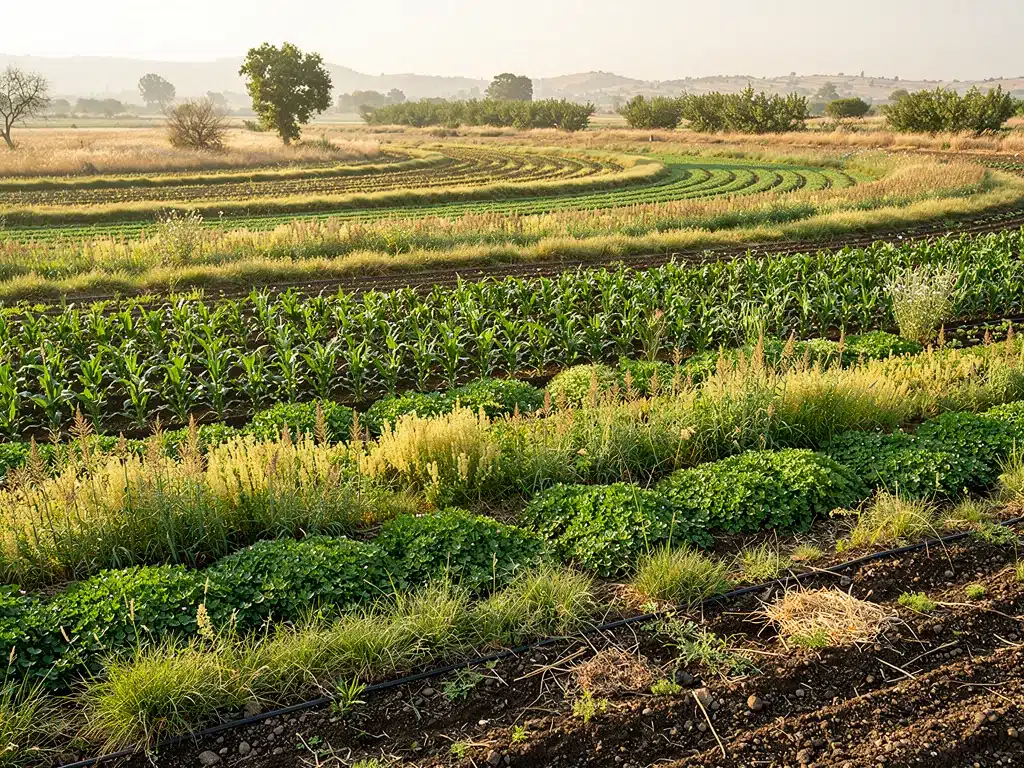
Encouraging farmers to diversify their crops and livestock, and to explore alternative farming models like agroforestry or permaculture, can create more stable and sustainable operations. Diversification reduces risk and promotes ecological balance.
These localized and diversified approaches contribute to overall food security and economic stability within communities. They represent practical, community-driven solutions to The Impact of Climate Change on US Agriculture.
| Key Adaptation Area | Brief Description of Strategy |
|---|---|
| Water Management | Implementing precision irrigation and water conservation techniques. |
| Crop Resilience | Adopting drought-resistant and climate-adapted crop varieties. |
| Soil Health | Utilizing cover cropping and no-till practices to improve soil quality. |
| Policy Support | Leveraging government incentives and insurance programs for adaptation. |
Frequently Asked Questions on US Agriculture Climate Adaptation
The most immediate threats include increased frequency of extreme weather events like droughts, heatwaves, and floods, alongside shifting precipitation patterns. These directly impact crop yields, livestock health, and overall farm viability, demanding urgent adaptation measures from farmers.
Precision agriculture uses technologies like GPS, sensors, and drones to optimize resource use, such as water and fertilizers. This data-driven approach allows farmers to make more efficient decisions, reducing waste and enhancing crop resilience against climate variability.
Government policies provide crucial financial incentives, research grants, and technical assistance to farmers. These programs encourage the adoption of sustainable practices and investments in new technologies, mitigating the economic burden of climate adaptation on agricultural producers.
Healthy soil, achieved through practices like cover cropping and no-till farming, improves water retention and nutrient cycling. This makes land more resilient to both droughts and heavy rainfall, while also enhancing carbon sequestration, contributing to both adaptation and mitigation efforts.
Diversifying crops reduces the risk associated with extreme weather events or pest outbreaks affecting a single crop. It enhances ecological resilience, promotes soil health, and can open new market opportunities, creating a more stable and sustainable farming operation.
Looking Ahead: Securing US Agriculture’s Future
The ongoing Impact of Climate Change on US Agriculture underscores the critical need for continued vigilance and proactive measures.
The strategies discussed are not merely reactive but represent a fundamental shift towards a more resilient and sustainable agricultural future for the nation.
The commitment to innovation, supportive policies, and collaborative efforts across the agricultural community will determine the success of these adaptation strategies. Monitoring advancements in climate science and agricultural technology remains paramount for informed decision-making.
Ultimately, securing US agriculture against climate change requires a holistic approach that integrates environmental stewardship with economic viability, ensuring food security for generations to come.
The journey towards comprehensive US agriculture climate adaptation is continuous and demands collective action.
