Is Digital Identity Replacing Physical IDs? Inside the Nationwide Transition Affecting 30 State Programs

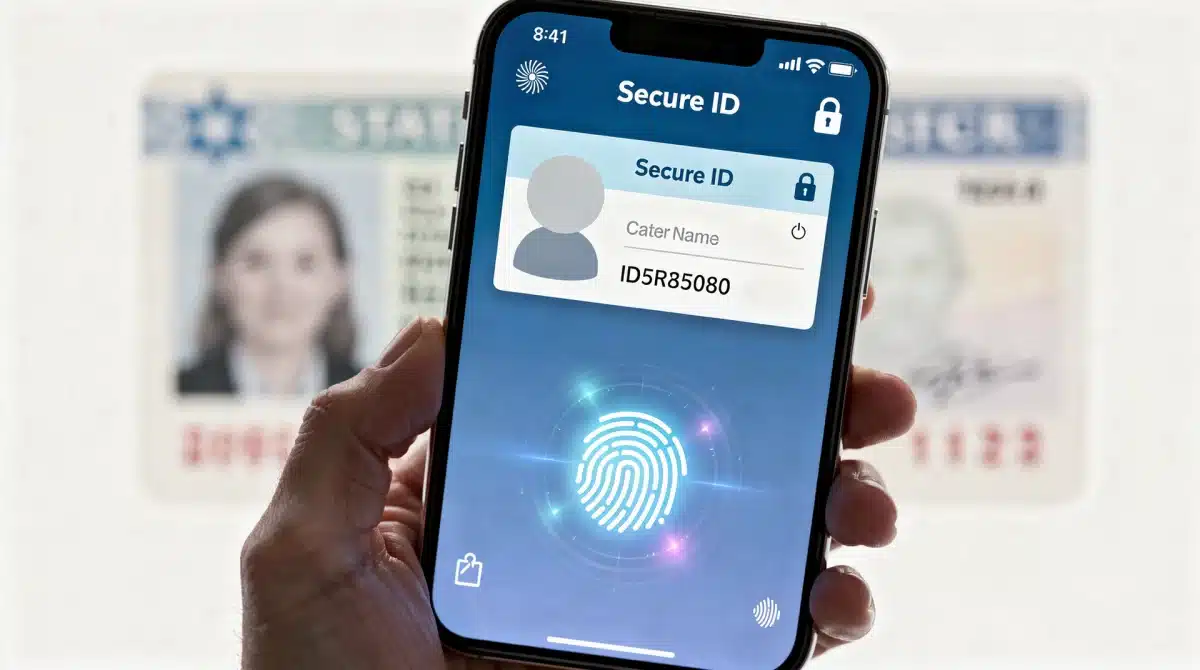
Are you ready to leave your physical driver’s license at home and rely entirely on your smartphone for verification? The movement toward Digital Identity Replacing Physical IDs is accelerating across North America, with 30 state programs now deploying mobile driver’s licenses and encrypted credential platforms.
State motor vehicle agencies and security administrators are integrating ISO-compliant digital credentials directly into mobile wallets for airport TSA checkpoints, law enforcement stops, and age verification.
This national modernization effort promises streamlined identity verification while raising crucial questions around mobile data privacy, offline functionality, and cybersecurity standards.
Understanding how your local jurisdiction handles electronic credentials ensures a smooth transition to paperless identification. Here is a breakdown of how state-level digital credential rollouts work and what the nationwide shift means for your daily transactions.
The Accelerating Shift to Digital Identity
The United States is witnessing a rapid acceleration in the adoption of digital identity solutions, fundamentally altering the landscape of personal identification.
This movement is driven by a confluence of technological advancements, enhanced security demands, and the pervasive convenience of digital platforms.
Over 30 state programs are now actively exploring or implementing systems where digital identity can replace traditional physical IDs. This widespread adoption signals a significant governmental commitment to modernizing identity verification processes, moving away from outdated paper-based systems.
This transition is not uniform, with states adopting various approaches and technologies, reflecting a complex patchwork of innovation and regulatory frameworks. The overarching goal remains consistent: to provide secure, efficient, and accessible identity solutions for citizens.
The Drivers Behind Digital Identity Adoption
Several key factors are propelling the shift towards digital identity. The imperative for enhanced security against fraud and identity theft stands as a primary motivator, with digital solutions often offering more robust verification mechanisms than physical documents.
Furthermore, the convenience offered by digital platforms aligns with modern consumer expectations, enabling seamless access to services from anywhere. This ease of use is particularly appealing for a populace accustomed to managing various aspects of their lives through smartphones.
The efficiency gains for government agencies are also substantial, reducing administrative burdens and streamlining processes. This allows for faster service delivery and a more responsive public sector, ultimately benefiting both citizens and state operations.
- Enhanced Security: Digital identities often incorporate advanced encryption and biometric authentication, significantly reducing the risk of forgery and unauthorized access.
- Increased Convenience: Citizens can access services and verify their identity using their mobile devices, eliminating the need to carry multiple physical cards.
- Operational Efficiency: Government agencies can automate verification processes, reducing manual checks and improving service delivery times.
- Fraud Reduction: The sophisticated layers of security inherent in digital identity systems make them far more resilient to identity theft and fraudulent activities.
State-Level Initiatives and Their Impact
The nationwide transition is most evident at the state level, where individual governments are pioneering diverse digital identity programs. These initiatives range from digital driver’s licenses to comprehensive digital ID wallets, each designed to address specific state needs and citizen requirements.
Currently, more than 30 states are actively involved in pilot programs or full-scale rollouts, demonstrating a strong commitment to this modern approach. This decentralized adoption allows for tailored solutions but also creates a fragmented landscape that presents its own set of challenges.
The impact of these programs is already being felt, with early adopters reporting improved efficiency in various transactions and increased user satisfaction. This hands-on experience provides invaluable data for refining future digital identity strategies.
Varied Approaches Across the States
States are adopting different technological platforms and implementation strategies, reflecting their unique regulatory environments and citizen demographics.
Some states are focusing on mobile driver’s licenses (mDLs), while others are developing broader digital identity platforms that encompass various forms of identification and credentials.
For instance, states like Arizona and Delaware have been at the forefront of mDL implementation, allowing residents to use their smartphones for identity verification in scenarios such as TSA checkpoints. These early successes provide a blueprint for other states considering similar transitions.
Other states are exploring blockchain-based solutions or federated identity systems, aiming for interoperability and enhanced security across different platforms. This diverse approach fosters innovation but also highlights the need for national standards to ensure seamless integration.
The implementation of digital identity solutions often involves partnerships between state agencies and private technology providers. These collaborations bring specialized expertise and resources to the table, accelerating development and deployment.
Security and Privacy Concerns in Digital Identity
While the benefits of digital identity are clear, significant concerns regarding security and privacy must be addressed as the nationwide transition progresses.
The digitization of personal identification data raises critical questions about data protection, surveillance, and individual control over one’s digital footprint.
Ensuring the integrity and confidentiality of sensitive personal information is paramount to building public trust and widespread adoption. Any perceived vulnerability in digital identity systems could undermine the entire initiative and revert progress.
Policymakers and technologists are grappling with how to implement robust security measures while upholding privacy principles, a delicate balance that is crucial for the success of digital identity.
Safeguarding Personal Data
The foundation of any successful digital identity system lies in its ability to protect personal data from unauthorized access, breaches, and misuse. This requires advanced encryption, multi-factor authentication, and secure data storage protocols.
Biometric data, often incorporated into digital identity for enhanced security, presents a unique set of challenges. The immutable nature of biometrics means that a compromise could have irreversible consequences, necessitating the highest levels of protection.
Furthermore, the legal and ethical frameworks surrounding data ownership and consent are evolving alongside the technology. Clear guidelines are needed to define how personal data is collected, stored, used, and shared within digital identity ecosystems.
- End-to-End Encryption: Implementing strong encryption protocols to protect data during transmission and storage is fundamental.
- Biometric Security: Utilizing secure biometric verification methods and ensuring the safe handling of sensitive biometric templates.
- Regular Audits: Conducting frequent security audits and penetration testing to identify and address potential vulnerabilities.
- Data Minimization: Adopting principles of data minimization, collecting only the necessary information for identity verification.
Interoperability and National Standards
The fragmentation of digital identity initiatives across 30 state programs highlights a critical need for interoperability and national standards.
Without a common framework, the potential for a seamless, nationwide digital identity ecosystem remains elusive, hindering the full realization of its benefits.
Achieving interoperability would allow a digital ID issued in one state to be recognized and accepted in another, much like physical driver’s licenses today. This is essential for interstate travel, commerce, and accessing services across state lines.
The development of national standards requires collaboration among state and federal agencies, industry stakeholders, and cybersecurity experts. This collective effort is crucial for creating a cohesive and universally accepted digital identity infrastructure.
Towards a Unified Digital Identity Framework
The establishment of national standards for digital identity would streamline development efforts, reduce costs, and enhance user experience.
A unified framework could specify technical requirements, security protocols, and privacy safeguards, ensuring consistency across all implementations.
Organizations like the National Institute of Standards and Technology (NIST) are already playing a vital role in developing guidelines and best practices for digital identity. Their work provides a foundation upon which a national framework can be built, promoting security and reliability.
However, the challenge lies in balancing the need for national consistency with the desire for state-level innovation and autonomy. Any national standard must be flexible enough to accommodate diverse state requirements while ensuring core interoperability.
The ongoing discussions among state motor vehicle administrators, federal agencies, and technology consortiums are crucial steps toward defining these common standards. These dialogues aim to forge a path that supports both local innovation and national cohesion in the digital identity space.
Challenges and Opportunities for the Public
The nationwide transition to digital identity presents both significant challenges and unparalleled opportunities for the general public. While the promise of enhanced convenience and security is appealing, concerns about accessibility, digital literacy, and equitable access to services must be addressed.
For many, particularly older demographics or those in rural areas, adapting to new digital systems can be daunting. Ensuring that digital identity solutions are inclusive and accessible to all citizens, regardless of their technological proficiency, is a critical challenge.
Conversely, the opportunities are immense, ranging from faster government services to more secure online transactions. Digital identity can empower individuals with greater control over their personal data and simplify everyday interactions.
Ensuring Equitable Access and Digital Literacy
One of the primary challenges is ensuring that all citizens can access and utilize digital identity solutions. This requires addressing the digital divide, providing necessary infrastructure, and offering educational programs to improve digital literacy.
States must consider alternative verification methods for those who may not have smartphones or consistent internet access. A purely digital system risks marginalizing segments of the population, exacerbating existing inequalities.
Initiatives to provide digital literacy training and support for vulnerable populations are vital for a successful and equitable transition. These programs can help bridge the knowledge gap and ensure that no one is left behind in the digital transformation.
- Digital Divide Bridging: Investing in broadband infrastructure and providing affordable access to digital devices in underserved communities.
- Accessibility Features: Designing digital identity apps with features that cater to individuals with disabilities, ensuring ease of use.
- Educational Programs: Offering workshops and resources to help citizens understand and confidently use digital identity technologies.
- Multi-channel Support: Maintaining physical ID options or hybrid systems to accommodate those who cannot or prefer not to use digital IDs.
Economic Implications of Digital Identity
The shift towards digital identity has profound economic implications, impacting both public and private sectors. This nationwide transition is driving new market opportunities, fostering innovation, and potentially reshaping how businesses and governments operate financially.
The initial investments in digital infrastructure and technology are substantial, but the long-term economic benefits, including reduced fraud losses and increased efficiency, are expected to outweigh these costs.
This transformation is generating a new ecosystem of service providers and security solutions.
Understanding these economic shifts is crucial for businesses looking to adapt and for policymakers aiming to maximize the positive economic impact of digital identity.

New Markets and Cost Savings
The development and deployment of digital identity solutions are creating new markets for technology companies specializing in cybersecurity, biometrics, and identity management. This fosters innovation and creates new jobs within the tech sector.
For governments, digital identity promises significant cost savings by reducing administrative overhead associated with physical document issuance and verification. The reduction in fraud and identity theft also translates into substantial economic benefits for both public and private entities.
Businesses stand to gain from streamlined customer onboarding processes, enhanced security for online transactions, and reduced compliance costs. This can lead to improved customer experiences and a more secure digital economy.
The efficiency gains from digital identity extend to various sectors, including finance, healthcare, and retail. Faster and more secure identity verification can accelerate transactions, reduce waiting times, and improve overall operational flow.
The Future Landscape of Identity Verification
As the nationwide transition affecting 30 state programs continues, the future landscape of identity verification is poised for dramatic change.
The trajectory suggests an increasing reliance on digital identity, with ongoing innovations in biometrics, blockchain, and artificial intelligence shaping its evolution.
The goal is to create a seamless, secure, and universally recognized digital identity that serves as a cornerstone of modern civic and commercial interactions. This vision requires continuous adaptation to emerging threats and technological advancements.
The journey towards a fully integrated digital identity system is complex, but the momentum is undeniable, pointing towards a future where digital interactions are as trustworthy as physical ones.
Emerging Technologies and Global Trends
Emerging technologies like decentralized identity, powered by blockchain, offer promising avenues for enhancing user control and privacy. These systems allow individuals to manage their own digital credentials, reducing reliance on central authorities.
The integration of AI and machine learning will further refine identity verification processes, enabling more sophisticated fraud detection and adaptive security measures. These advancements will make digital identity systems more resilient and intelligent.
Globally, many countries are also advancing their digital identity initiatives, creating opportunities for international interoperability and cross-border identity verification. This global perspective is crucial as digital interactions increasingly transcend national boundaries.
The continuous evolution of digital identity will also involve ongoing public discourse on ethical considerations, regulatory frameworks, and societal impact. This dialogue is essential for ensuring that technological progress aligns with democratic values and individual rights.
| Key Point | Brief Description |
|---|---|
| Nationwide Transition | Over 30 state programs are moving to digital identity, replacing physical IDs. |
| Security & Privacy | Balancing robust data protection with individual privacy is a key challenge. |
| Interoperability Needs | National standards are crucial for seamless digital identity recognition across states. |
| Public Impact | Opportunities for convenience, challenges for accessibility and digital literacy. |
Frequently Asked Questions About Digital Identity
Yes, a nationwide transition is underway, with over 30 state programs actively exploring or implementing digital identity solutions. This shift aims to enhance security and convenience, moving away from solely physical identification documents. The pace and scope vary by state, reflecting diverse approaches.
Digital identity offers enhanced security through advanced encryption and biometrics, greater convenience for accessing services, and increased efficiency for government and private sectors. It reduces the risk of fraud and streamlines verification processes, making interactions smoother and more secure for users.
Key concerns include data privacy, cybersecurity risks, and equitable access for all citizens, especially those with limited digital literacy or smartphone access. Ensuring robust data protection and inclusive design are paramount to building public trust and avoiding digital exclusion.
State government services are expected to become more efficient, secure, and accessible. Digital identity will streamline processes like driver’s license renewals, benefit applications, and voter registration, reducing administrative burdens and improving the overall citizen experience through faster, more convenient interactions.
While national guidelines and best practices exist from organizations like NIST, a fully unified national standard for digital identity across all states is still under development. Efforts are ongoing to ensure interoperability and consistency, allowing digital IDs to be recognized seamlessly across different jurisdictions.
Looking Ahead
The nationwide transition towards digital identity replacing physical IDs represents a pivotal moment in how we define and verify personal identification.
As 30 state programs continue to evolve their approaches, the focus remains on balancing innovation with security, privacy, and inclusivity.
Future developments will likely center on establishing robust national interoperability standards and addressing the digital divide to ensure equitable access.
Monitoring policy shifts, technological advancements, and public adoption rates will be key to understanding the full impact of this transformative change on American society.
