Bio-Digital Convergence: Ethical Dilemmas for U.S. Society

The latest developments surrounding Bio-Digital Convergence Ethics are shaping today’s agenda, highlighting critical ethical dilemmas for U.S. society. This analysis prioritizes key challenges including privacy, equity, and human augmentation, providing verified insights into what readers need to monitor next. Understanding these complex intersections is vital for navigating the future landscape.
Bio-Digital Convergence Ethics is rapidly emerging as a defining challenge for U.S. society over the next five years. This profound integration of biological and digital realms promises transformative advancements, yet simultaneously introduces complex moral and societal questions. As technology blurs the lines between living organisms and digital systems, ethical frameworks are struggling to keep pace.
This article delves into three primary ethical dilemmas that demand immediate attention and thoughtful consideration from policymakers, technologists, and the public alike. From safeguarding individual autonomy to ensuring equitable access, the implications of this convergence are far-reaching. We explore the critical issues, potential societal impacts, and paths toward responsible development.
Understanding the Bio-Digital Convergence Phenomenon
The concept of bio-digital convergence refers to the increasing intertwining of biological and digital technologies. This isn’t merely about wearable tech or smart devices; it encompasses the integration of AI with biological systems, genetic engineering, neurotechnology, and advanced prosthetics that seamlessly interface with the human body. Its rapid acceleration means these once-futuristic concepts are becoming present-day realities.
This convergence holds immense promise for fields such as medicine, agriculture, and communication, offering solutions to some of humanity’s most pressing problems. However, the very nature of these innovations necessitates a robust ethical discourse. The speed of development often outpaces our ability to fully comprehend the long-term societal ramifications and establish appropriate regulatory safeguards.
The U.S. society, with its diverse population and complex legal landscape, faces unique challenges in addressing these ethical considerations. Public perception, technological literacy, and the influence of various stakeholders will play crucial roles in shaping the trajectory of bio-digital integration and how we address the inherent Bio-Digital Convergence Ethics.
Dilemma 1: Privacy and Data Sovereignty in a Connected Body
The first major ethical dilemma arising from bio-digital convergence concerns privacy and data sovereignty. As biological data becomes digitalized and connected, the very definition of personal privacy expands to include our genetic code, neural activity, and physiological responses. This raises fundamental questions about who owns this highly sensitive information and how it can be used.
Imagine a future where biometric data, health records, and even brain activity are continuously monitored and analyzed by integrated bio-digital systems. While this could revolutionize personalized medicine and prevent disease, it also creates unprecedented opportunities for surveillance, data exploitation, and discrimination. Protecting individual autonomy over their biological data becomes paramount in this new era of Bio-Digital Convergence Ethics.
The current legal frameworks for data privacy, such as HIPAA and GDPR, may prove insufficient to address the complexities of bio-digital data. New legislation and ethical guidelines are urgently needed to define ownership, consent, and the permissible uses of this deeply personal information. Without clear boundaries, individuals risk losing control over their most intimate biological selves.
The Scope of Bio-Digital Data Collection
Bio-digital convergence promises continuous and granular data collection on human biology. This includes everything from real-time physiological metrics to genetic predispositions and even cognitive patterns. Such comprehensive data offers significant benefits but also creates vast repositories of highly exploitable information.
Companies and governments alike could leverage this data for purposes beyond individual health, from targeted advertising based on genetic vulnerabilities to surveillance of emotional states. The sheer volume and sensitivity of this data necessitate a re-evaluation of our privacy expectations and the mechanisms in place to protect them. The implications for Bio-Digital Convergence Ethics are profound.
Defining Consent and Ownership
Traditional notions of informed consent become increasingly complex when dealing with bio-digital systems that learn and adapt. Consent for data collection might need to be dynamic, allowing individuals to revoke or modify permissions as their understanding evolves. Furthermore, the question of who owns the digital twin of your biological self is not easily answered.
Is it the individual, the device manufacturer, the healthcare provider, or a combination? Clear definitions of ownership and robust mechanisms for managing access and usage rights are essential to prevent exploitation. Without these, the promise of bio-digital convergence risks undermining fundamental human rights.
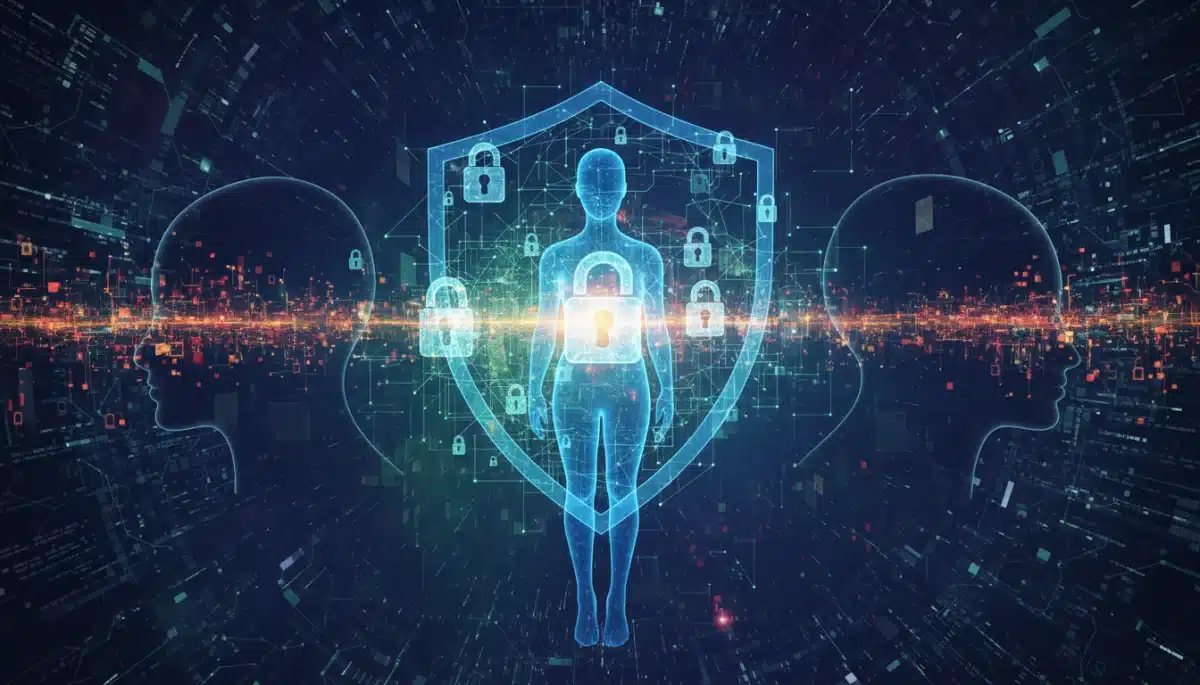
The legal and ethical implications of data ownership in a bio-digital world are still largely unaddressed. As these technologies become more pervasive, the need for robust legal frameworks and societal norms around data sovereignty will become critical. Public discourse and education are key to ensuring informed decision-making regarding Bio-Digital Convergence Ethics.
Dilemma 2: Equity and Access to Bio-Digital Enhancements
The second critical ethical dilemma revolves around equity and access to bio-digital enhancements. As these technologies advance, they offer the potential to significantly improve human capabilities, from cognitive performance to physical prowess and even extended lifespans. However, if these enhancements are only accessible to a privileged few, it could exacerbate existing societal inequalities and create new forms of stratification.
Consider a scenario where advanced neuro-implants could boost intelligence or memory, or genetic therapies could eliminate predispositions to chronic diseases. If such advancements are prohibitively expensive or reserved for specific demographics, it could lead to a widening gap between the ‘enhanced’ and the ‘unenhanced.’ This raises serious questions about fairness and social justice within Bio-Digital Convergence Ethics.
The U.S. society, already grappling with significant disparities in healthcare and economic opportunity, must proactively address how to ensure equitable access to these transformative technologies. Without deliberate policies and ethical commitments, bio-digital convergence could deepen societal divisions, creating a future where biological advantages are bought, not born.
The Risk of a Bio-Digital Divide
The prospect of a ‘bio-digital divide’ is a tangible concern. If bio-digital enhancements are primarily available to the wealthy, it could create a new class system based on biological and technological superiority. This would not only impact individual opportunities but could also alter social structures, economic power dynamics, and even political influence.
Societies must consider whether such enhancements should be treated as essential healthcare, meriting universal access, or as luxury goods. The decision will profoundly shape the future of human equality. Addressing the Bio-Digital Convergence Ethics in this context requires careful consideration of societal values and priorities.
Ethical Frameworks for Equitable Distribution
Developing ethical frameworks for equitable distribution of bio-digital enhancements is paramount. This involves not only ensuring financial accessibility but also addressing potential biases in research and development that might favor certain groups over others. Policies promoting open-source development and public-private partnerships could help democratize access.
Furthermore, a global perspective is essential, as the impact of unequal access could extend beyond national borders. International cooperation will be necessary to establish norms and prevent a fragmented future where access to fundamental biological upgrades is determined by geographic location or economic status. This is a core tenet of Bio-Digital Convergence Ethics.
Dilemma 3: Redefining Humanity and Human Autonomy
The third profound ethical dilemma concerns the redefinition of humanity itself and the implications for human autonomy. As bio-digital convergence allows for increasingly intimate integration of technology with our biology, the very essence of what it means to be human comes into question. When does a human with enhancements cease to be ‘fully’ human, and what are the moral boundaries of augmenting our natural capabilities?
Neuro-technologies that interface directly with the brain, for instance, raise concerns about cognitive liberty and identity. Could external digital systems influence our thoughts, emotions, or decision-making processes without our full awareness? The potential for manipulation or loss of self-determination is a significant ethical hurdle for Bio-Digital Convergence Ethics.
U.S. society must engage in a deep philosophical and societal debate about the limits of human augmentation and the preservation of human autonomy. This involves grappling with questions of identity, consciousness, and the intrinsic value of natural human attributes. Establishing clear ethical guidelines is crucial to ensure that technology serves humanity, rather than redefining it in ways that diminish our fundamental freedoms.
The Blurring Lines of Human Identity
With brain-computer interfaces and advanced prosthetics, the distinction between human and machine becomes increasingly blurred. This raises questions about personal identity and continuity of self. If parts of our consciousness or memory can be stored or augmented digitally, how does this affect our sense of who we are?
These technologies challenge traditional notions of embodiment and the boundaries of the human mind. Societies must proactively consider the psychological and social impacts of such integrations. The ethical implications for Bio-Digital Convergence Ethics are not merely technological but deeply existential, requiring careful consideration of our values.
Preserving Cognitive Liberty and Autonomy
Cognitive liberty, the freedom to control one’s own mental processes, is a cornerstone of human autonomy. Bio-digital convergence could threaten this if external systems gain undue influence over our thoughts or emotions. Ensuring that individuals retain ultimate control over their minds and bodies is a critical ethical imperative.

This requires not only robust technical safeguards but also legal protections and societal norms that prioritize individual self-determination. The development of ethical AI and neuro-ethics guidelines will be essential to navigate these complex waters. The future of Bio-Digital Convergence Ethics depends on safeguarding our fundamental human rights.
Navigating the Regulatory Landscape and Public Discourse
Addressing the ethical dilemmas of bio-digital convergence requires a multi-faceted approach involving robust regulatory frameworks and broad public discourse. The rapid pace of technological innovation often outstrips the ability of existing laws and regulations to keep pace, creating a regulatory vacuum that can lead to unforeseen consequences. Proactive legislative action is needed to establish clear guidelines and boundaries.
Policymakers in the U.S. must engage with experts from diverse fields—ethics, philosophy, science, law, and sociology—to develop comprehensive and adaptable regulatory strategies. This includes establishing independent oversight bodies, funding ethical research, and creating mechanisms for ongoing public consultation. The goal is to foster innovation responsibly, not to stifle it, ensuring that Bio-Digital Convergence Ethics are at the forefront.
Equally important is fostering an informed public discourse. Education campaigns, open forums, and media engagement can help demystify bio-digital technologies and empower citizens to participate in crucial ethical debates. A well-informed public is essential for shaping societal values and ensuring that technological advancements align with collective human aspirations, addressing Bio-Digital Convergence Ethics.
The Role of Government and International Cooperation
Government agencies have a crucial role in setting standards, funding ethical research, and enforcing regulations related to bio-digital convergence. This includes investing in studies that assess the long-term societal impacts of these technologies and developing policies that promote equitable access and protect privacy. The challenge lies in creating agile regulatory bodies that can adapt to rapid technological change.
International cooperation is also vital, as bio-digital technologies transcend national borders. Harmonized ethical guidelines and regulatory frameworks across countries can prevent regulatory arbitrage and ensure a consistent approach to global challenges. Collaborative efforts can accelerate the development of best practices and shared understandings of Bio-Digital Convergence Ethics.
Fostering Ethical Innovation and Public Engagement
Beyond regulation, fostering a culture of ethical innovation within the tech and biotech industries is critical. This means integrating ethical considerations into the design and development process from the outset, rather than as an afterthought. Companies must be incentivized to prioritize societal well-being alongside technological advancement, embracing Bio-Digital Convergence Ethics.
Public engagement initiatives can bridge the gap between scientific advancements and societal understanding. By involving citizens in discussions about the future of bio-digital convergence, policymakers can gain valuable insights and ensure that ethical considerations reflect the values and concerns of the broader population. This collaborative approach is essential for responsible progress.
Future Implications and the Path Forward
The ethical dilemmas posed by bio-digital convergence are not hypothetical future problems; they are emerging realities that demand immediate attention. Over the next five years, U.S. society will increasingly confront these challenges, shaping our understanding of privacy, equity, and what it means to be human. Proactive engagement from all sectors is essential to navigate this transformative period successfully.
The decisions made today regarding the governance and ethical application of bio-digital technologies will have profound and lasting impacts on future generations. It is imperative to establish robust ethical guardrails that protect fundamental human rights and promote a just and inclusive society. The future of Bio-Digital Convergence Ethics is being written now.
By fostering open dialogue, promoting interdisciplinary collaboration, and developing adaptable regulatory frameworks, U.S. society can harness the immense potential of bio-digital convergence while mitigating its inherent risks. The goal is to build a future where technological progress enhances human flourishing, rather than undermining it. This requires a sustained commitment to addressing Bio-Digital Convergence Ethics head-on.
| Ethical Dilemma | Brief Description |
|---|---|
| Privacy & Data Sovereignty | Controlling personal biological and digital data in a hyper-connected world. |
| Equity & Access | Ensuring fair distribution of bio-digital enhancements to avoid societal divides. |
| Human Autonomy | Preserving individual control over mind and body amidst technological integration. |
| Regulatory Challenges | Developing agile laws to govern rapidly evolving bio-digital technologies. |
Frequently Asked Questions About Bio-Digital Convergence Ethics
Bio-digital convergence describes the profound integration of biological and digital technologies. This includes merging AI with biological systems, advanced neurotechnology, genetic engineering, and digital interfaces directly with the human body, fundamentally blurring the lines between living organisms and digital systems. It’s a key aspect of Bio-Digital Convergence Ethics.
It raises ethical concerns regarding privacy of biological data, potential societal inequities from unequal access to enhancements, and the redefinition of human identity and autonomy. These issues demand careful consideration to ensure technology serves humanity responsibly, addressing core Bio-Digital Convergence Ethics.
It expands privacy to include genetic data, neural activity, and physiological responses, creating vast repositories of sensitive information. This challenges existing privacy laws and necessitates new frameworks for data ownership and consent to prevent surveillance or exploitation, a critical point in Bio-Digital Convergence Ethics.
If bio-digital enhancements are expensive or inaccessible, they could exacerbate existing societal inequalities, creating a ‘bio-digital divide.’ This risk necessitates policies for equitable access, considering whether these technologies should be universally available or become luxury goods, a central challenge for Bio-Digital Convergence Ethics.
Preparation involves developing robust regulatory frameworks, fostering broad public discourse, and promoting ethical innovation. Governments, industries, and citizens must collaborate to establish guidelines that protect human rights and ensure responsible technological advancement, proactively addressing Bio-Digital Convergence Ethics.
Perspectives
The ethical landscape of bio-digital convergence is complex and rapidly evolving, requiring continuous vigilance and proactive engagement. The challenges of privacy, equity, and human autonomy are not merely academic; they are pressing societal issues that will define the coming decades. Sustained dialogue and adaptable policies are essential to ensure that the transformative power of bio-digital convergence is harnessed for the collective good, upholding crucial Bio-Digital Convergence Ethics. The informed discussions and regulatory actions taken now will shape the future of U.S. society and its relationship with advanced technology.
