Navigating Deepfake Accountability: Legal Recourse and Practical Safeguards for Everyday Citizens in 2026
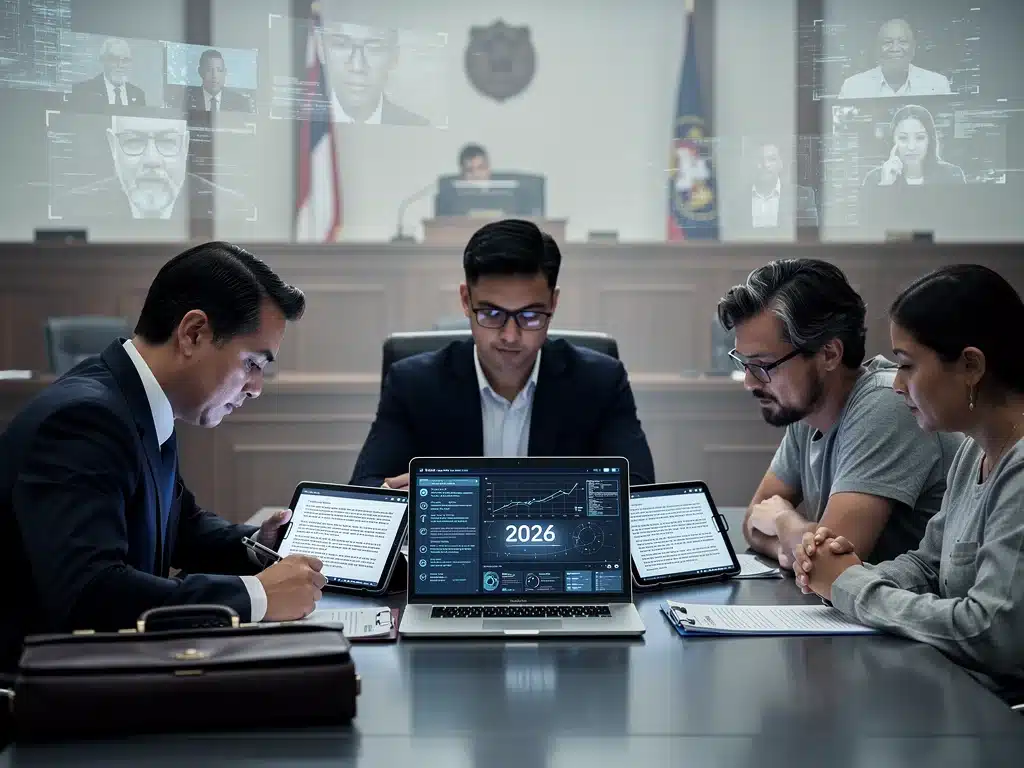
As hyper-realistic AI media becomes easier to generate, protecting your digital identity is no longer optional. Establishing strong Deepfake Accountability frameworks is essential to ensure individuals can defend their likeness and hold bad actors liable.
When synthetic media is weaponized for fraud or defamation, victims often struggle to find clear avenues for legal action. Fortunately, updated privacy regulations, copyright protections, and civil liability laws are expanding how courts handle unauthorized digital manipulations.
Understanding these statutory safeguards and technical verification tools empowers you to protect your reputation online. Here is a practical look at the legal recourses, enforcement mechanisms, and proactive defense strategies available today.
The Evolving Legal Landscape for Deepfake Accountability
The legal response to deepfakes is rapidly evolving, with jurisdictions worldwide grappling to define accountability and establish effective recourse.
In the United States, several states have enacted laws addressing the non-consensual creation and distribution of deepfakes, particularly concerning political misinformation and revenge porn.
Federal efforts are also underway, aiming to create a unified approach to Deepfake Accountability Legal Safeguards. These legislative initiatives often seek to balance free speech considerations with the imperative to protect individuals from significant harm, a complex task in the digital age.
The legal framework for Deepfake Accountability Legal Safeguards increasingly involves a patchwork of defamation laws, privacy statutes, and intellectual property rights.
Victims often find themselves navigating a fragmented system, highlighting the need for clearer, more comprehensive legislation.
Current Legislative Initiatives and Their Impact
Several states have passed laws specifically targeting deepfakes, often focusing on their use in elections or for non-consensual sexual imagery. These laws typically provide victims with avenues for civil litigation and, in some cases, criminal penalties for perpetrators.
- California’s AB-730 prohibits the distribution of deepfake videos designed to mislead voters within 60 days of an election.
- Virginia’s HB 2602 makes it illegal to create or share deepfake pornography without consent.
- Texas has also implemented legislation addressing deepfakes used with intent to harm or deceive.
These state-level actions are critical first steps in establishing Deepfake Accountability Legal Safeguards, but their varying scopes can create challenges for victims seeking justice across state lines. A federal standard could streamline the process significantly.
Challenges in Prosecuting Deepfake Cases
Prosecuting deepfake cases presents numerous challenges, from identifying the perpetrator to proving intent and damages. The anonymous nature of the internet often complicates attribution, requiring sophisticated digital forensic techniques.
Furthermore, the legal definition of ‘harm’ in the context of deepfakes can be ambiguous, especially when dealing with reputational damage or emotional distress.
Courts are still developing precedents for Deepfake Accountability Legal Safeguards, making outcomes unpredictable for many victims.
The rapid advancement of deepfake technology also means that legal frameworks can quickly become outdated. Legislators and legal professionals must continuously adapt to new methods of digital manipulation to ensure effective Deepfake Accountability Legal Safeguards.
Seeking Legal Recourse: Pathways for Deepfake Victims
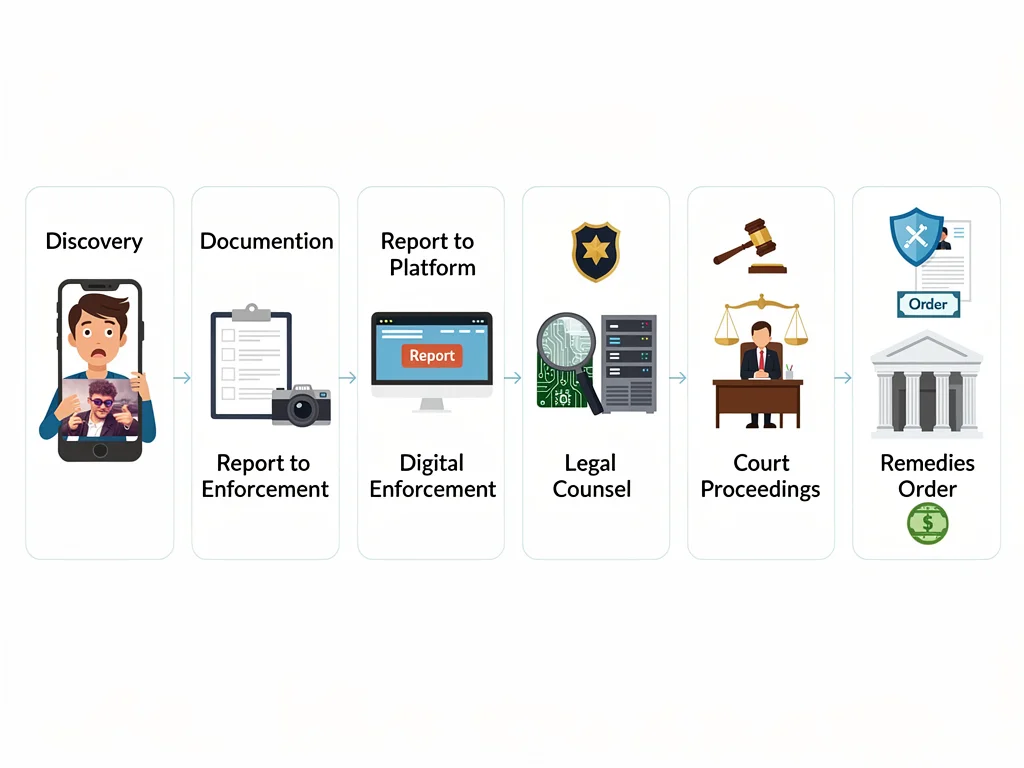
For individuals who have fallen victim to deepfakes, understanding the available legal recourse is paramount. While challenges exist, several pathways can lead to justice and remediation. These often involve civil lawsuits, criminal complaints, and regulatory actions.
Victims can pursue civil claims for defamation, invasion of privacy, or intentional infliction of emotional distress, seeking monetary damages for the harm caused. These actions can also lead to injunctions, forcing the removal of deepfake content.
In cases where deepfakes violate specific state laws, criminal charges may be brought against the perpetrator. This typically requires collaboration with law enforcement and a clear understanding of the relevant statutes concerning Deepfake Accountability Legal Safeguards.
The process of seeking legal recourse can be daunting, necessitating expert legal counsel familiar with digital forensics and emerging deepfake laws. Early consultation with a lawyer specializing in technology law is highly advisable.
Civil Litigation: Defamation and Privacy Claims
Defamation claims are a common legal avenue for deepfake victims, particularly when the content falsely portrays them in a negative light. Proving defamation requires demonstrating that the deepfake is false, harmful to reputation, and published with malice or negligence.
Invasion of privacy claims can be pursued when a deepfake uses a person’s likeness without consent, especially in highly sensitive contexts. These cases often hinge on the expectation of privacy and the egregious nature of the deepfake’s content.
Successful civil litigation can result in significant financial compensation for victims, covering emotional distress, lost income, and legal fees. It also serves as a deterrent against future deepfake creation, reinforcing Deepfake Accountability Legal Safeguards.
Engaging Law Enforcement and Criminal Charges
When deepfakes involve illegal activities such as harassment, extortion, or the creation of non-consensual sexual imagery, victims can engage law enforcement. Reporting these incidents is a critical step towards initiating criminal investigations.
- Gathering all available evidence, including screenshots, URLs, and communication records, is essential before contacting authorities.
- Victims should be prepared to provide a detailed account of the deepfake’s impact and their knowledge of the perpetrator.
- Law enforcement agencies are increasingly training officers to handle digital crimes, including those related to Deepfake Accountability Legal Safeguards.
Criminal charges can lead to arrests, prosecutions, and convictions, sending a strong message that deepfake misuse will not be tolerated. This pathway is particularly important for addressing the most egregious forms of deepfake harm.
Practical Safeguards for Everyday Citizens in 2026
Beyond legal recourse, proactive practical safeguards are essential for everyday citizens to protect themselves against deepfakes in 2026. These measures involve a combination of digital literacy, privacy practices, and leveraging available technologies.
Developing a critical eye for online content is paramount. Citizens should be skeptical of sensational or emotionally charged media, especially when its source is unclear or questionable. Verification tools and fact-checking resources can help identify manipulated content.
Strengthening personal digital security and privacy settings also plays a vital role. Limiting the amount of personal data and imagery available online can reduce the raw material deepfake creators exploit, enhancing Deepfake Accountability Legal Safeguards.
Enhancing Digital Literacy and Media Scrutiny
Education on deepfake detection is a powerful defense. Learning to spot common tells, such as unnatural blinking, inconsistent lighting, or distorted facial features, can help individuals identify manipulated videos and audio.
Utilizing fact-checking websites and reputable news sources to verify information before sharing is crucial. Cross-referencing content with multiple trusted outlets can expose deepfakes designed to spread misinformation.
Promoting media literacy programs in schools and communities can equip a broader population with the skills needed to critically evaluate digital content. This collective vigilance forms a strong front for Deepfake Accountability Legal Safeguards.
Strengthening Personal Privacy and Online Security
Regularly reviewing and adjusting privacy settings on social media platforms and other online services is a fundamental safeguard. Limiting who can view and download personal images and videos reduces exposure to potential deepfake creation.
Exercising caution when sharing personal information or engaging with unknown links and attachments is also vital. Phishing attempts can be used to gather data that deepfake creators might later exploit, undermining Deepfake Accountability Legal Safeguards.
Employing strong, unique passwords and multi-factor authentication for all online accounts adds layers of security. These measures make it significantly harder for malicious actors to gain access to personal data that could be used for deepfake purposes.
Technological Solutions and Industry Initiatives
The fight against deepfakes is not solely a legal or individual responsibility; technological solutions and industry initiatives are playing an increasingly critical role.
Developers are creating sophisticated detection tools, while tech companies are implementing policies to combat deepfake proliferation.
AI-powered deepfake detection software is continuously improving, capable of analyzing subtle inconsistencies that human eyes might miss. These tools are being integrated into social media platforms and news organizations to flag potentially manipulated content.
Major tech companies are also updating their terms of service to explicitly prohibit the creation and distribution of harmful deepfakes. This proactive stance by industry leaders is crucial for fostering an environment of Deepfake Accountability Legal Safeguards.
Deepfake Detection Technologies and Tools
Numerous research institutions and private companies are developing advanced deepfake detection algorithms. These technologies often analyze video frames for anomalies in facial expressions, head movements, and physiological signals like pulse.
- Watermarking and cryptographic signatures are being explored as ways to authenticate genuine media content, making deepfake identification easier.
- Browser extensions and mobile apps are emerging that can help users identify suspicious videos and audio files in real-time.
- The Deepfake Detection Challenge, an initiative supported by major tech firms, continues to foster innovation in this critical area.
While no detection tool is foolproof, the continuous development and deployment of these technologies significantly strengthen the overall defense against deepfakes, improving Deepfake Accountability Legal Safeguards.
Platform Policies and Content Moderation
Social media platforms and content hosting services are increasingly implementing stricter policies regarding deepfakes. These policies often include provisions for content removal, account suspension, and cooperation with law enforcement.
Many platforms now require users to disclose if content has been digitally altered, especially when it concerns public figures or political discourse. This transparency helps users make informed judgments about the media they consume.
Effective content moderation, however, remains a significant challenge due to the sheer volume of online content and the evolving nature of deepfakes.
Continuous investment in AI moderation tools and human review teams is vital for maintaining Deepfake Accountability Legal Safeguards.
The Role of International Cooperation in Deepfake Challenges
Deepfakes are a global phenomenon, transcending national borders and posing challenges that no single country can effectively tackle alone. International cooperation is therefore critical for developing comprehensive strategies to address deepfake misuse.
Governments and international organizations are engaging in dialogues to harmonize legal frameworks and share best practices for Deepfake Accountability Legal Safeguards. This collaborative approach aims to prevent perpetrators from exploiting jurisdictional differences.
Cross-border collaboration among law enforcement agencies is also essential for investigating and prosecuting deepfake crimes that originate in one country and impact victims in another. This global effort strengthens the collective defense against digital manipulation.
Harmonizing Global Legal Frameworks
Discussions are ongoing within international bodies like the United Nations and the European Union to establish common standards for deepfake regulation. Harmonizing laws would simplify legal recourse for victims and deter international perpetrators.
Agreements on data sharing and mutual legal assistance treaties are crucial for facilitating cross-border investigations.
These mechanisms enable countries to cooperate effectively in gathering evidence and apprehending those responsible for deepfake crimes, enhancing Deepfake Accountability Legal Safeguards.
The challenge lies in balancing diverse legal traditions and political interests while forging a unified front against a rapidly evolving threat. Continued diplomatic efforts are required to achieve meaningful global consensus on Deepfake Accountability Legal Safeguards.
Collaborative Research and Development Initiatives
International research collaborations are accelerating the development of advanced deepfake detection and prevention technologies. Sharing knowledge and resources across borders can lead to more effective and universally applicable solutions.
Joint funding for research and development projects can encourage innovation and speed up the deployment of new safeguards. This collective investment benefits all nations by strengthening their capacity to combat deepfake threats, improving Deepfake Accountability Legal Safeguards.
Workshops, conferences, and expert exchanges provide platforms for sharing insights and coordinating efforts among scientists, policymakers, and industry leaders. Such initiatives are vital for staying ahead of the curve in the arms race against deepfake technology.
Future Outlook: Anticipating Deepfake Trends and Responses
As deepfake technology continues its rapid advancement, anticipating future trends and developing proactive responses is crucial.
The sophistication of deepfakes is expected to increase, making detection even more challenging, which will further test Deepfake Accountability Legal Safeguards.
We may see a rise in personalized deepfakes, targeting individuals with highly convincing but fabricated content. This necessitates an even greater emphasis on individual digital literacy and robust personal security measures.
The integration of deepfake technology into real-time applications, such as live video calls, poses significant future challenges. This will demand instantaneous detection capabilities and potentially new forms of authentication for digital interactions, strengthening Deepfake Accountability Legal Safeguards.
Emerging Deepfake Applications and Risks
Beyond traditional video and audio manipulation, deepfakes are expanding into new domains, including synthetic identities and virtual reality environments. These emerging applications carry novel risks for fraud, identity theft, and psychological manipulation.
- Voice deepfakes are already being used in sophisticated scams, impersonating individuals for financial gain.
- Deepfake technology could be deployed to create entirely fabricated digital personas, complicating online interactions and trust.
- The potential for deepfakes to influence public opinion through highly targeted, emotionally resonant content remains a significant concern.
Addressing these emerging applications requires a dynamic and adaptive approach to Deepfake Accountability Legal Safeguards, combining technological innovation with proactive policy development.
Proactive Policy and Regulatory Adaptations
Policymakers must remain agile, ready to adapt existing laws and create new regulations that can keep pace with technological advancements. This includes revisiting definitions of harm, establishing clear liability, and empowering regulatory bodies.
The development of ethical guidelines for AI and deepfake technology is also becoming increasingly important. These guidelines can help steer development towards beneficial uses while mitigating the risks of misuse, bolstering Deepfake Accountability Legal Safeguards.
Public-private partnerships can play a crucial role in funding research, developing standards, and implementing educational campaigns. This collaborative effort ensures that society is well-equipped to face the evolving challenges posed by deepfakes.

The Importance of Public Awareness and Education
Amidst the technical and legal complexities, public awareness and education stand as fundamental pillars in the defense against deepfakes.
An informed citizenry is better equipped to identify, resist, and report manipulated content, thereby reinforcing Deepfake Accountability Legal Safeguards.
Educational campaigns must reach diverse demographics, addressing the varying levels of digital literacy across society. These initiatives should focus on practical tips for verification, understanding the risks, and knowing where to seek help.
Empowering individuals with knowledge fosters a collective resilience against misinformation and manipulation. This shared understanding is vital for maintaining trust in digital media and protecting the integrity of public discourse.
Initiatives for Digital Literacy Enhancement
Government agencies, non-profits, and educational institutions are launching initiatives to enhance digital literacy. These programs often include workshops, online courses, and public service announcements focused on deepfake awareness.
- Teaching critical thinking skills to evaluate online information is a core component of these programs.
- Providing accessible resources for fact-checking and media verification helps individuals become their own first line of defense.
- Collaborations with social media platforms can amplify educational messages and integrate deepfake awareness directly into user experiences.
These initiatives are crucial for building a society that is not only aware of deepfakes but also capable of actively combating their spread, strengthening Deepfake Accountability Legal Safeguards.
Community Engagement and Support Systems
Creating community-based support systems for deepfake victims is another vital aspect of public awareness. These networks can offer emotional support, legal guidance, and practical advice on navigating the aftermath of deepfake attacks.
Online forums and helplines dedicated to deepfake issues provide a safe space for victims to share experiences and access resources. This peer support can be invaluable in mitigating the psychological impact of digital manipulation.
Engaging community leaders and influencers in deepfake awareness campaigns can help disseminate information effectively and build trust. Their involvement can significantly bolster efforts to ensure Deepfake Accountability Legal Safeguards are widely understood and utilized.
| Key Point | Brief Description |
|---|---|
| Legal Recourse | Victims can pursue civil lawsuits for defamation or privacy, and criminal charges in certain cases. |
| Practical Safeguards | Enhance digital literacy, scrutinize media, and strengthen personal privacy settings. |
| Technological Solutions | AI-powered detection tools and industry content moderation policies are evolving. |
| International Cooperation | Harmonizing laws and collaborative R&D are crucial for global deepfake challenges. |
Frequently Asked Questions on Deepfake Accountability
Victims can typically pursue civil lawsuits for defamation, invasion of privacy, or intentional infliction of emotional distress. In cases involving illegal content like non-consensual sexual imagery or harassment, criminal charges may also be an option, requiring engagement with law enforcement. Legal counsel specializing in technology law is highly recommended for Navigating Deepfake Accountability: Legal Recourse and Practical Safeguards for Everyday Citizens in 2026.
Identifying deepfakes often requires a critical eye for subtle inconsistencies. Look for unnatural blinking patterns, distorted facial features, inconsistent lighting, or unusual voice tones. Utilizing fact-checking tools and cross-referencing information with reputable sources are also effective strategies for Navigating Deepfake Accountability: Legal Recourse and Practical Safeguards for Everyday Citizens in 2026.
While some states have enacted specific laws against deepfakes, particularly concerning elections and non-consensual imagery, a comprehensive federal law is still under development. Existing federal statutes on fraud, harassment, and intellectual property may apply, but a unified approach to Navigating Deepfake Accountability: Legal Recourse and Practical Safeguards for Everyday Citizens in 2026 is actively being sought.
To protect yourself, enhance your digital literacy, critically evaluate online media, and strengthen your privacy settings on social media. Limit the personal information and imagery you share publicly, use strong passwords, and enable multi-factor authentication. These proactive measures are crucial for Navigating Deepfake Accountability: Legal Recourse and Practical Safeguards for Everyday Citizens in 2026 effectively.
Tech companies are implementing stricter content policies, investing in AI-powered deepfake detection tools, and collaborating with researchers. Many platforms now require disclosure of altered content and remove harmful deepfakes. This industry effort is vital for establishing effective Deepfake Accountability Legal Safeguards and protecting users from digital manipulation.
Looking Ahead
The landscape of Navigating Deepfake Accountability is dynamic, requiring continuous adaptation from individuals, legal systems, and technology providers. The evolving nature of deepfakes means that vigilance, education, and collaboration will remain critical in the years to come.
Citizens must stay informed about new legal developments and technological tools to effectively protect themselves in an increasingly complex digital world.
The ongoing dialogue between policymakers, industry leaders, and civil society will shape the future of digital integrity and personal security.
