New EPA Regulations for 2026: What They Mean for Sustainable Business Practices in the US
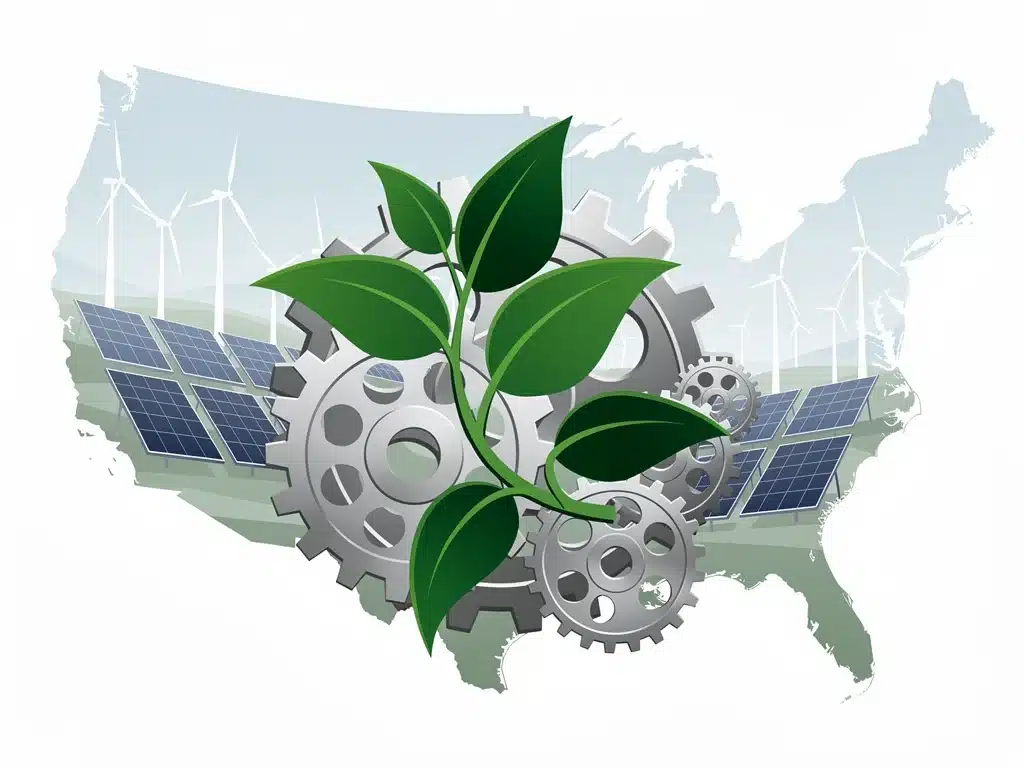
If your organization operates in the US, navigating the new EPA Regulations 2026 is no longer optional—it is a core strategy for sustainable growth.
From tighter carbon emissions limits to strict chemical reporting, federal environmental standards are actively redefining how modern companies operate, invest, and scale.
These updated environmental rules demand swift operational shifts across supply chains, corporate governance, and transparency frameworks.
Delaying adaptation risks heavy compliance penalties, lost market share, and reputational damage among increasingly conscious investors.
Staying ahead of this shifting regulatory landscape gives your business a distinct competitive edge in today’s eco-driven economy. Here is a direct breakdown of what changed, why it impacts your bottom line, and the essential steps you need to monitor right now.
Understanding the Scope of New EPA Regulations for 2026
The Environmental Protection Agency (EPA) is set to roll out a comprehensive set of regulations in 2026, targeting various sectors to bolster environmental protection and promote sustainable development across the United States.
These forthcoming rules are designed to address pressing environmental concerns, including climate change, pollution reduction, and resource conservation.
Businesses operating within the US, particularly those in manufacturing, energy, and waste management, will experience significant shifts in their operational requirements and compliance obligations.
The EPA’s proactive stance aims to integrate environmental stewardship more deeply into corporate strategies, moving beyond mere compliance to foster genuine sustainability.
Early indications suggest these regulations will encompass stricter emissions standards, enhanced waste management protocols, and greater emphasis on renewable energy adoption.
The overarching goal is to create a more resilient and environmentally responsible economy, aligning US business practices with global sustainability targets.
Key Areas Targeted by the New EPA Regulations
The upcoming regulations in 2026 are expected to focus on several critical environmental domains, reflecting the EPA’s strategic priorities for the coming years.
These areas include greenhouse gas emissions, water quality, hazardous waste management, and the promotion of circular economy principles.
For instance, new mandates are anticipated to significantly reduce industrial emissions, compelling businesses to invest in cleaner technologies and more efficient production processes.
Water usage and discharge will also face heightened scrutiny, necessitating advanced treatment systems and conservation efforts.
Furthermore, the EPA plans to reinforce regulations concerning the handling and disposal of hazardous materials, pushing companies towards waste minimization and responsible recycling.
These measures collectively aim to minimize environmental impact and protect public health.
Emissions Reductions and Air Quality Standards
The EPA’s 2026 regulations will introduce more stringent limits on various atmospheric pollutants, including carbon dioxide, methane, and particulate matter.
Industries will be required to adopt best available control technologies and implement robust monitoring programs to ensure compliance.
These new air quality standards are expected to drive innovation in emission control systems and encourage a transition towards lower-carbon energy sources.
Companies that proactively invest in these areas stand to gain a competitive advantage and demonstrate their commitment to environmental responsibility.
- Mandatory reporting of greenhouse gas emissions.
- Stricter limits on industrial air pollutants.
- Incentives for adopting renewable energy sources.
Water Resource Protection and Management
Ensuring the purity and sustainability of water resources is another cornerstone of the New EPA Regulations for 2026.
Businesses will face updated requirements for wastewater treatment, stormwater management, and the prevention of chemical runoff into natural bodies of water.
The regulations are likely to promote water conservation practices, such as water recycling and reuse, within industrial operations. Companies will need to assess their water footprint and implement strategies to reduce consumption and minimize contamination risks.
Protecting aquatic ecosystems and ensuring safe drinking water supplies are paramount, driving the need for comprehensive water management plans across industries.
Impact on Sustainable Business Practices in the US
The introduction of the New EPA Regulations for 2026 will profoundly reshape how American businesses approach sustainability.
Companies will find themselves at a crucial juncture, needing to adapt their strategies to meet the evolving regulatory landscape.
This will necessitate a shift from reactive compliance to proactive integration of environmental considerations into core business models.
Sustainable practices will no longer be an optional add-on but a fundamental requirement for operational legitimacy and market competitiveness.
The regulations are poised to accelerate the adoption of green technologies, foster innovation in sustainable product development, and enhance corporate transparency regarding environmental performance.
Businesses that embrace these changes early will be better positioned for long-term success.

Operational Changes and Compliance Costs
Many businesses will need to undertake significant operational adjustments to comply with the New EPA Regulations for 2026.
This includes upgrading existing infrastructure, implementing new process technologies, and investing in advanced monitoring and reporting systems.
While these changes will incur initial compliance costs, they also present opportunities for long-term savings through increased efficiency, reduced waste, and lower energy consumption.
Companies should view these expenditures as strategic investments in their future sustainability.
- Investment in cleaner production technologies.
- Enhanced environmental monitoring and reporting.
- Development of robust compliance management systems.
Opportunities for Innovation and Green Growth
Far from being solely a burden, the New EPA Regulations for 2026 will act as a powerful catalyst for innovation within the US business landscape.
Companies that embrace these changes can unlock new market opportunities, develop sustainable products and services, and attract environmentally conscious consumers and investors.
The demand for green technologies, renewable energy solutions, and eco-friendly materials is expected to surge, creating fertile ground for new businesses and expanding existing ones.
This regulatory push can stimulate economic growth in sustainable sectors and foster a more resilient economy.
By proactively aligning with these regulations, businesses can enhance their brand reputation, improve stakeholder relations, and position themselves as leaders in the transition to a sustainable future.
The New EPA Regulations for 2026 are a clear signal for a greener economic trajectory.
Challenges and Strategic Responses for Businesses
Navigating the complexities of the New EPA Regulations for 2026 will present various challenges for businesses across different scales and sectors.
A primary concern for many will be understanding the intricate details of the new rules and translating them into actionable corporate strategies.
Small and medium-sized enterprises (SMEs), in particular, may face resource constraints in implementing the necessary changes and investing in new technologies.
It will be crucial for these businesses to seek guidance and leverage available support programs to ensure a smooth transition.
Furthermore, the need for increased transparency and robust data reporting will require robust internal systems and skilled personnel.
Strategic planning, early engagement with regulatory bodies, and continuous adaptation will be key to overcoming these hurdles.
Navigating Regulatory Complexity
The sheer volume and technical detail of the New EPA Regulations for 2026 can be daunting for businesses. It requires dedicated resources to interpret the guidelines accurately and ensure all aspects of operations are in compliance.
Companies should consider establishing internal task forces or engaging external consultants specializing in environmental compliance.
Proactive communication with the EPA and industry associations can also help clarify ambiguities and stay abreast of any amendments.
Understanding the nuances of these regulations is not just about avoiding penalties but about integrating environmental stewardship effectively into business operations.
Resource Allocation and Investment Decisions
Implementing the New EPA Regulations for 2026 will necessitate significant financial and human resource allocation.
Businesses must strategically plan their investments in new equipment, training, and environmental management systems.
Decisions regarding capital expenditure should factor in the long-term benefits of sustainability, such as energy efficiency, reduced waste disposal costs, and enhanced brand value.
Access to green financing options and government incentives will also play a critical role in facilitating these investments.
Companies that prioritize these investments early will likely see a quicker return and a stronger position in the evolving market.
The Role of Technology in EPA Compliance
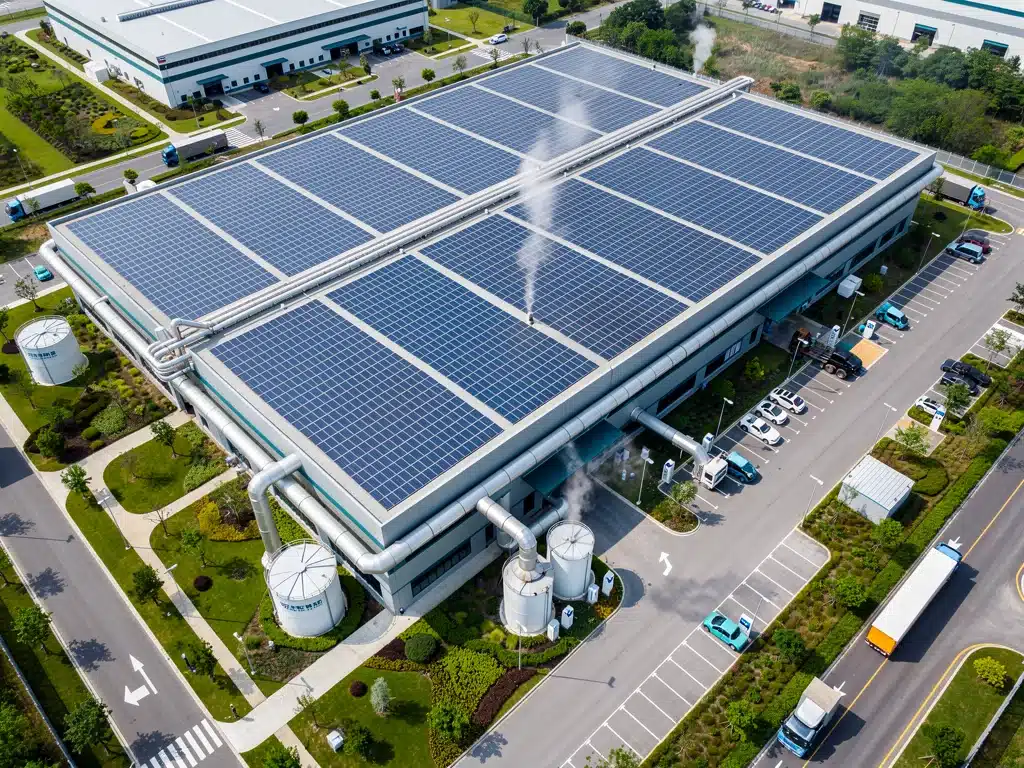
Technology will be an indispensable ally for businesses striving to comply with the New EPA Regulations for 2026 and enhance their sustainable practices.
Digital tools and advanced systems offer solutions for monitoring, reporting, and optimizing environmental performance more efficiently.
From sophisticated sensor networks that track emissions in real-time to AI-powered platforms that analyze resource consumption, technology can provide invaluable insights for informed decision-making.
These innovations can help companies identify areas for improvement and demonstrate compliance with precision.
Embracing technological advancements will not only streamline compliance efforts but also foster a culture of continuous environmental improvement, which is central to the spirit of the New EPA Regulations for 2026.
Digital Solutions for Environmental Monitoring
Modern environmental monitoring technologies, such as IoT sensors and data analytics platforms, offer unprecedented capabilities for tracking environmental parameters.
These tools can provide real-time data on air and water quality, energy consumption, and waste generation.
Such digital solutions enable businesses to proactively identify potential compliance issues, optimize resource use, and generate accurate reports for regulatory bodies.
This level of transparency and precision is crucial for meeting the stringent requirements of the New EPA Regulations for 2026.
- Real-time environmental performance tracking.
- Automated data collection and reporting.
- Predictive analytics for compliance risk management.
Green Technologies and Sustainable Innovation
The push from the New EPA Regulations for 2026 will undoubtedly accelerate the adoption and development of green technologies.
This includes advancements in renewable energy, waste-to-energy systems, carbon capture technologies, and sustainable materials science.
Businesses that invest in these innovations can not only achieve compliance but also gain a competitive edge by offering environmentally superior products and services.
Sustainable innovation is no longer a niche but a mainstream imperative driven by regulatory and market forces.
The integration of these technologies represents a significant step towards a circular economy and a more sustainable industrial future.
Preparing for the New EPA Regulations: A Strategic Roadmap
For businesses to successfully navigate the landscape shaped by the New EPA Regulations for 2026, a proactive and strategic approach is essential.
Waiting until the last minute to address these changes could lead to significant penalties and operational disruptions.
Developing a clear roadmap that outlines key milestones, responsibilities, and resource allocations is crucial.
This roadmap should include a comprehensive assessment of current practices against anticipated regulatory requirements and identify any gaps that need to be addressed.
Engaging with stakeholders, including employees, suppliers, and customers, will also be vital in fostering a collective commitment to sustainability and ensuring a smooth transition under the New EPA Regulations for 2026.
Assessing Current Environmental Performance
A critical first step in preparing for the New EPA Regulations for 2026 is to conduct a thorough assessment of current environmental performance.
This involves evaluating existing processes, emissions, waste generation, and resource consumption against anticipated new standards.
Identifying areas of non-compliance or inefficiency early allows businesses to develop targeted improvement plans.
This baseline assessment will serve as a crucial reference point for tracking progress and demonstrating adherence to the new regulations.
Such an assessment should be holistic, covering all aspects of a company’s operations that may be impacted by the upcoming rules.
Developing a Compliance and Sustainability Plan
Once current performance is assessed, businesses must develop a detailed compliance and sustainability plan.
This plan should outline specific actions, timelines, and responsible parties for achieving compliance with the New EPA Regulations for 2026.
The plan should integrate environmental goals with broader business objectives, ensuring that sustainability becomes a core component of corporate strategy.
It should also include provisions for ongoing monitoring, reporting, and continuous improvement.
- Conduct a gap analysis against new EPA standards.
- Allocate budget and resources for necessary upgrades.
- Implement employee training programs on new procedures.
Policy Implications and Future Outlook
The New EPA Regulations for 2026 are not isolated policies but part of a broader governmental push towards a greener economy and enhanced environmental protection.
These regulations signal a sustained commitment from the US government to address climate change and promote sustainable development.
The long-term outlook suggests an increasing convergence of environmental policy with economic strategy, making sustainability an integral factor in national competitiveness.
Businesses that align with these trends will be better positioned to thrive in the future market landscape.
These regulations also pave the way for potential international collaborations and harmonized environmental standards, further integrating US businesses into global sustainability efforts.
Government Support and Incentives
To facilitate the transition, it is anticipated that the government will offer various support mechanisms and incentives for businesses adapting to the New EPA Regulations for 2026.
These could include tax credits for green investments, grants for research and development in sustainable technologies, and technical assistance programs.
Businesses should actively explore and leverage these opportunities to offset compliance costs and accelerate their sustainability initiatives.
Government support is crucial for ensuring that the regulatory burden does not disproportionately affect smaller businesses.
Staying informed about available programs can provide a significant advantage in the journey towards environmental compliance and sustainable growth.
The Evolving Landscape of Corporate Responsibility
The New EPA Regulations for 2026 underscore an evolving understanding of corporate responsibility.
Beyond legal compliance, businesses are increasingly expected to demonstrate genuine commitment to environmental stewardship and social impact.
This shift is driven by a combination of regulatory pressure, consumer demand, and investor expectations.
Companies that embrace this expanded definition of responsibility will build stronger relationships with stakeholders and enhance their long-term viability.
The regulations serve as a benchmark for what constitutes responsible business conduct in the 21st century, setting a new standard for environmental performance.
| Key Point | Brief Description |
|---|---|
| Regulatory Scope | New EPA Regulations for 2026 target emissions, water, waste across US industries. |
| Business Impact | Significant operational shifts, compliance costs, and innovation opportunities for sustainable business practices. |
| Strategic Preparation | Assess current practices, develop compliance plans, and leverage technology for New EPA Regulations for 2026. |
| Future Outlook | Integration of environmental policy with economic strategy, driving green growth and corporate responsibility. |
Frequently Asked Questions About New EPA Regulations 2026
The primary goals of the New EPA Regulations for 2026 are to significantly reduce environmental pollution, mitigate climate change impacts, and promote resource efficiency across industries. These regulations aim to foster a more sustainable economy by integrating environmental protection into core business operations, ensuring cleaner air and water for communities nationwide.
Small businesses might face challenges related to initial compliance costs and resource allocation for implementing new technologies or processes. However, the EPA is expected to offer guidance and potentially financial incentives or technical assistance programs to help SMEs adapt. Proactive planning and seeking available support will be crucial for these businesses.
Businesses can anticipate more stringent and detailed reporting requirements concerning greenhouse gas emissions, water usage, waste generation, and hazardous material handling. The New EPA Regulations for 2026 will likely mandate increased transparency and accuracy in environmental data, requiring robust internal monitoring and reporting systems to ensure compliance and avoid penalties.
While specific incentives are still being finalized, historically, the government often provides tax credits, grants, or subsidies for early adopters of green technologies and sustainable practices. Businesses should monitor EPA announcements and federal programs closely, as proactive investments in compliance can lead to significant financial benefits and competitive advantages under the New EPA Regulations for 2026.
Companies should integrate the New EPA Regulations for 2026 into their long-term strategy by conducting comprehensive environmental impact assessments, investing in sustainable technologies, and fostering a culture of environmental stewardship. This includes setting ambitious sustainability goals, engaging stakeholders, and continuously monitoring performance to ensure ongoing compliance and leverage opportunities for green growth.
Looking Ahead: The Future of Sustainable Business in the US
The New EPA Regulations for 2026 mark a significant inflection point for sustainable business practices in the US.
These regulations are not merely about compliance; they represent a fundamental shift towards integrating environmental responsibility into the core fabric of corporate operations.
Businesses that proactively embrace these changes, investing in green technologies and robust sustainability strategies, will be better positioned to thrive in an increasingly environmentally conscious market.
The future demands a commitment to ecological stewardship, and the New EPA Regulations for 2026 provide a clear framework for achieving it, fostering innovation and resilience across American industries.
