Farm-to-Table in 2026: Understanding the 3 Key Supply Chain Innovations Reducing Food Waste by 25%
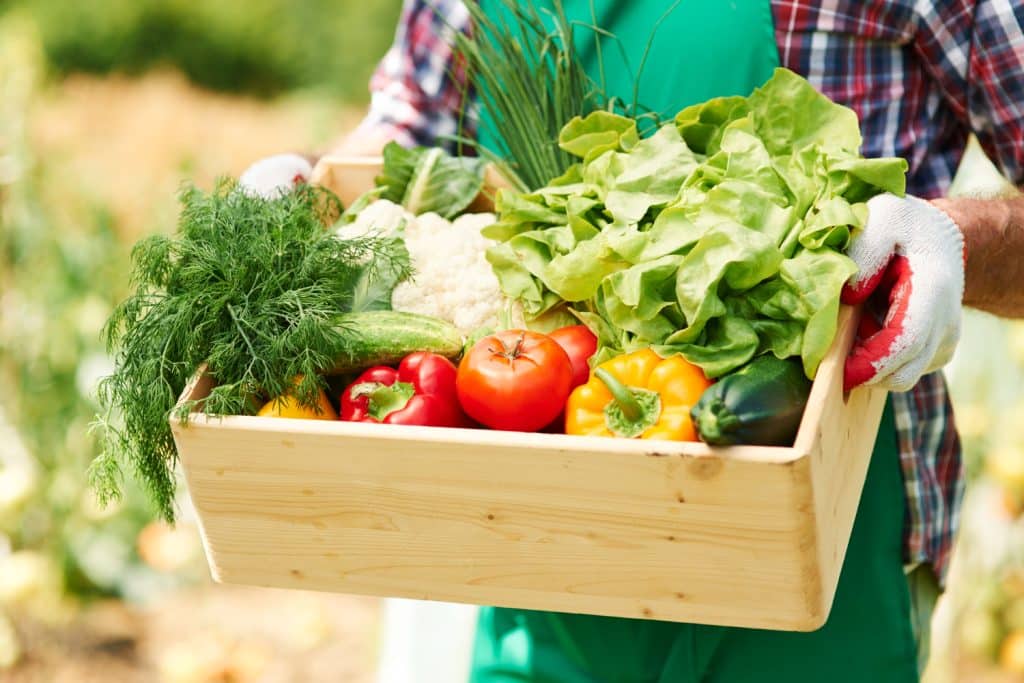
Sustainable food systems are rapidly evolving, and by 2026, the Farm-to-Table movement is reaching a high-tech tipping point. In the United States, fresh initiatives are set to transform our local plates through three pivotal supply chain breakthroughs.
These advancements target a bold 25% reduction in edible loss across the national landscape.
The transition toward a smarter agricultural network relies on real-time transparency and advanced logistics. By integrating predictive analytics and hyper-local tracking, producers can finally bridge the gap between rural harvests and urban kitchens.
This evolution ensures that seasonal yields reach consumers at their nutritional peak, minimizing the ecological footprint of every meal.
As transparency becomes the new standard, these logistical shifts provide vital economic stability for regional growers. This digital infrastructure doesn’t just improve efficiency; it secures a resilient future for the entire domestic food ecosystem.
The Imperative of Reducing Food Waste
Food waste remains a pressing global issue, with the United States alone discarding an estimated 30-40% of its food supply annually.
This translates to enormous economic losses and significant environmental impact, from wasted resources like water and energy to increased greenhouse gas emissions from landfills.
The push for a more sustainable food system has intensified, making food waste reduction a central pillar of environmental and economic policy. Achieving a 25% reduction by 2026 would mark a pivotal step towards a more responsible and efficient national food supply chain.
This ambitious target requires a concerted effort across the entire food value chain, from cultivation and harvest to processing, distribution, and consumption. The innovations discussed are designed to tackle waste at each of these critical junctures.
Innovation 1: Advanced Predictive Analytics and AI in Logistics
One of the most significant innovations driving the Farm-to-Table movement is the integration of advanced predictive analytics and artificial intelligence (AI) into logistics.
These technologies offer unparalleled insights into demand forecasting, inventory management, and transportation optimization.
By analyzing vast datasets including weather patterns, consumer purchasing habits, historical sales, and real-time inventory levels, AI-powered systems can predict demand with much greater accuracy.
This precision helps farmers, distributors, and retailers align supply more closely with demand, thereby minimizing overproduction and spoilage.
The ability of AI to optimize routes and delivery schedules also plays a crucial role. Shorter transit times and more efficient cold chain management reduce the likelihood of perishable goods spoiling before they reach their destination, directly contributing to the food waste reduction goal.
Real-Time Demand Forecasting
AI algorithms can process complex variables to forecast consumer demand with unprecedented accuracy. This means farms can adjust planting schedules and harvest volumes to better match market needs, preventing surplus.
Retailers can similarly optimize their ordering, ensuring shelves are stocked but not overstocked, thereby cutting down on expired or unsold produce. This dynamic adjustment is a game-changer for perishable goods.
Optimized Transportation and Storage
- AI-driven route optimization reduces transit times and fuel consumption, ensuring fresher produce upon arrival.
- Smart warehousing systems use AI to monitor environmental conditions, extending the shelf life of stored goods.
- Predictive maintenance for refrigeration units prevents costly breakdowns that could lead to widespread spoilage.
Innovation 2: Blockchain for Enhanced Traceability and Transparency
The second key innovation is the widespread adoption of blockchain technology to create a fully transparent and traceable food supply chain. This digital ledger system provides an immutable record of a product’s journey from farm to table, offering unprecedented visibility.
Each step of the food’s journey—from planting and harvesting to processing, packaging, and shipping, is recorded on the blockchain.
This data includes origin, harvest date, temperature logs, and quality control checks, making it accessible to all authorized participants in the supply chain.
This transparency is vital for quickly identifying and isolating contaminated products in the event of a recall, preventing widespread spoilage of safe food. It also empowers consumers with detailed information about their food’s provenance, fostering trust and informed choices.
Immutable Records for Food Safety
Blockchain’s inherent security features mean that once data is recorded, it cannot be altered, providing a reliable source of truth. This is critical for verifying food safety standards and organic certifications, building consumer confidence.
In cases of foodborne illness outbreaks, blockchain can pinpoint the exact source of contamination within minutes, rather than days or weeks. This rapid response minimizes the recall of unaffected products and reduces associated waste.
Consumer Empowerment and Trust
- Consumers can scan QR codes on products to access detailed information about their food’s journey and ethical sourcing.
- This transparency fosters trust in brands committed to sustainable and responsible practices.
- The ability to verify claims about origin and quality reduces consumer skepticism and encourages purchasing.
Innovation 3: Precision Agriculture and IoT in Farming
The third transformative innovation central to the Farm-to-Table in 2026 objective involves the integration of precision agriculture techniques with the Internet of Things (IoT).
This combination allows farmers to optimize resource use and monitor crop health with unprecedented detail.
IoT sensors deployed in fields collect real-time data on soil moisture, nutrient levels, weather conditions, and plant health.
This information, combined with precision agriculture tools like GPS-guided machinery and variable-rate applicators, enables farmers to apply water, fertilizers, and pesticides precisely where and when they are needed.
This targeted approach not only reduces resource consumption but also leads to healthier crops and higher yields, with less waste due to disease or suboptimal growing conditions. Healthier crops are also more resilient during transport and storage, further contributing to waste reduction.
Optimized Resource Management
Precision agriculture techniques ensure that every drop of water and every gram of fertilizer is utilized efficiently, minimizing waste of these vital resources. This approach is fundamental to sustainable farming and directly impacts the quality and quantity of harvested produce.
By preventing over-watering or under-watering, and by providing plants with optimal nutrition, farmers can significantly reduce crop loss due to environmental stress. This results in a higher percentage of usable produce reaching the market.
Early Detection of Issues
- IoT sensors and drones provide continuous monitoring, allowing for early detection of pests, diseases, or nutrient deficiencies.
- Timely intervention prevents minor issues from escalating into significant crop losses.
- Predictive models, based on sensor data, help farmers make proactive decisions to safeguard their harvests.
Impact on the Farm-to-Table Movement
These three innovations collectively strengthen the core tenets of the Farm-to-Table movement. By reducing waste, they enable more efficient and sustainable local food systems.
The ability to track produce from its origin with blockchain, optimize its journey with AI, and grow it precisely with IoT, ensures that fresh, high-quality food is more readily available.
This supports local economies and reduces reliance on long-distance supply chains, which are often more susceptible to waste.
Furthermore, the increased transparency and reduced waste foster greater consumer confidence in the Farm-to-Table model. People are more likely to support local producers when they can verify the journey and quality of their food.
Challenges and Implementation Hurdles
While the potential of these innovations is immense, their widespread adoption for Farm-to-Table in 2026 faces several challenges. Initial investment costs for new technologies can be prohibitive, especially for small and medium-sized farms and businesses.
Interoperability between different technological platforms is another hurdle. Ensuring that AI systems can seamlessly integrate with blockchain networks and IoT devices requires standardized protocols and collaborative efforts across the industry.
Additionally, a significant portion of the agricultural workforce will require training to effectively utilize these advanced tools. Bridging the digital divide in rural areas is crucial for equitable implementation and widespread success.
Overcoming Financial Barriers
Government subsidies, grants, and low-interest loans can help mitigate the upfront costs associated with adopting precision agriculture, AI, and blockchain technologies.
Public-private partnerships are also essential in sharing the financial burden and accelerating implementation.
The long-term economic benefits, such as reduced waste and increased efficiency, will eventually offset these initial investments. Demonstrating a clear return on investment is critical for driving broader adoption among stakeholders.
Standardization and Collaboration
- Developing industry-wide standards for data exchange and system integration is crucial for seamless operation of interconnected technologies.
- Collaboration among technology providers, agricultural organizations, and government agencies can facilitate faster development and deployment of solutions.
- Pilot programs and open-source initiatives can help test and refine these systems before widespread rollout, ensuring compatibility.
Government and Industry Support
Achieving the ambitious goals of Farm-to-Table requires robust support from both government and industry. Policy frameworks that incentivize sustainable practices and technological adoption are vital.
Government agencies can play a crucial role by funding research and development, providing technical assistance, and creating regulatory environments that encourage innovation. Industry associations can foster collaboration and knowledge sharing among their members.
Consumer demand for sustainably sourced and waste-reduced food also provides a powerful incentive for businesses to invest in these innovations. Education campaigns can further empower consumers to make informed choices that support the Farm-to-Table movement.
The Future of Food: A Sustainable Path
The journey towards reducing food waste by 25% across the US by 2026 is an ambitious but achievable one, largely dependent on the successful integration of these three key innovations.
The Farm-to-Table in 2026 initiative represents a critical step towards a more sustainable and resilient food future.
These advancements promise not only to mitigate environmental damage and conserve resources but also to enhance food security and economic stability for producers.
The transformation of the food supply chain is not merely a technological upgrade but a fundamental shift in our relationship with food.
As these innovations mature and become more accessible, their collective impact will redefine what is possible in food production and distribution. The commitment to reducing food waste by a quarter within the next few years underscores a collective resolve to build a better future for all.
| Key Innovation | Impact on Food Waste |
|---|---|
| Predictive Analytics & AI | Optimizes demand forecasting and logistics, minimizing overproduction and spoilage. |
| Blockchain Traceability | Enhances transparency, enabling rapid recalls and building consumer trust, reducing systemic waste. |
| Precision Agriculture & IoT | Optimizes resource use and crop health, leading to higher yields and less pre-harvest waste. |
| Collective Goal | Achieve 25% reduction in US food waste by 2026 across the supply chain. |
Frequently Asked Questions About Farm-to-Table Innovations
The main goal is to significantly reduce food waste by 25% across the United States by 2026. This is achieved through implementing advanced technologies like AI, blockchain, and IoT in the food supply chain. The initiative aims for greater efficiency, transparency, and sustainability from farm to consumer.
AI enhances demand forecasting, inventory management, and logistics optimization. By accurately predicting consumer needs and optimizing transport routes, AI minimizes overproduction and spoilage of perishable goods. This ensures that food moves more efficiently and effectively through the supply chain.
Blockchain provides immutable traceability and transparency throughout the food supply chain. It creates a secure record of a product’s journey, allowing for rapid identification of issues like contamination. This reduces widespread recalls and builds consumer trust in food origins and safety, thereby cutting waste.
Precision agriculture, powered by IoT sensors, allows farmers to optimize resource use—water, nutrients, pesticides—and monitor crop health in real-time. This leads to healthier, more resilient crops and higher yields, reducing pre-harvest waste due to disease or inefficient practices. It’s about growing smarter.
Key challenges include high initial investment costs for new technologies, ensuring interoperability between diverse systems, and the need for workforce training. Overcoming these requires significant financial support, standardization efforts, and educational initiatives across the agricultural sector to ensure widespread adoption.
Looking Ahead
The advancements discussed under Farm-to-Table in 2026 are not just technological upgrades; they represent a fundamental shift in how we approach food production and consumption.
As these innovations continue to integrate, public and private sectors must collaborate to overcome implementation hurdles.
The coming years will be crucial in demonstrating the scalability and long-term viability of these solutions, with implications for global food security and environmental health.
