The Future of Green Building: 8 Essential Certifications and 2026 Trends Driving a 30% Reduction in Energy Consumption
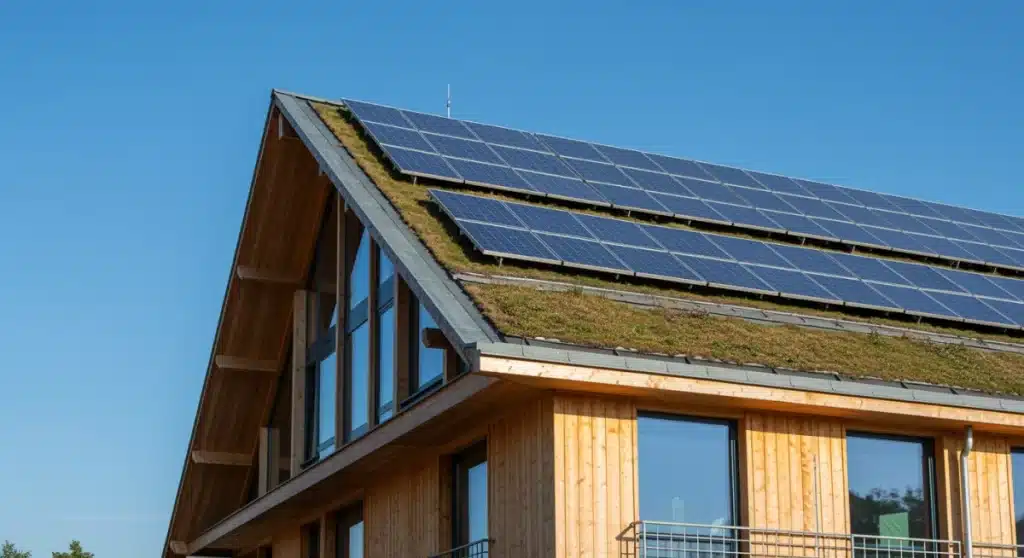
The construction landscape is shifting beneath our feet as Green Building Certifications evolve from optional accolades into essential blueprints for 2026. This transformation isn’t just about prestige; it’s a strategic pivot toward a 30% reduction in global energy demand.
As we approach a new era of sustainable architecture, these eco-friendly benchmarks and emerging ecological trends are redefining how we design and inhabit our spaces.
Modern infrastructure now demands high-performance standards that prioritize both planetary health and long-term financial viability.
This guide explores the eight pivotal frameworks and forward-thinking strategies currently revolutionizing the built environment.
Whether you are an architect or a developer, staying ahead of these rigorous environmental standards is the key to mastering the next decade of construction.
The Urgency of Green Building Certifications
The global climate crisis necessitates an immediate and profound shift in how buildings are designed, constructed, and operated. Green building certifications serve as crucial frameworks, providing verifiable standards and benchmarks for sustainable practices.
These certifications are not just labels; they are comprehensive systems that evaluate environmental performance across various parameters, including energy use, water efficiency, material selection, and indoor environmental quality.
Their widespread adoption is instrumental in driving market transformation towards more responsible construction.
As of 2024, the demand for certified green buildings continues to accelerate, driven by regulatory pressures, investor expectations, and growing occupant demand for healthier and more efficient spaces.
These certifications are proving to be powerful tools in achieving sustainability goals.
Why Certifications Matter for Energy Reduction
Certifications inherently push projects beyond conventional building practices by integrating energy-saving technologies and design principles from the outset.
They mandate rigorous performance targets that translate directly into reduced operational energy needs.
For instance, a building pursuing a high-level certification often incorporates advanced insulation, high-performance windows, efficient HVAC systems, and renewable energy sources.
These elements collectively contribute to significant energy consumption reductions, often exceeding traditional building performance by a substantial margin.
The structured approach of these certification programs ensures that energy efficiency is not an afterthought but a core component of the entire project lifecycle. This integrated design approach is critical for achieving the ambitious 30% energy reduction target by 2026.
Key Green Building Certifications Shaping the Future
Several certification systems dominate the green building landscape, each with its unique focus and methodology. Understanding these programs is essential for anyone involved in sustainable construction, as they guide design decisions and material choices.
These certifications provide a clear framework for measuring and verifying environmental performance, offering a credible pathway for projects to demonstrate their commitment to sustainability.
Their influence extends across residential, commercial, and institutional sectors, promoting best practices.
The eight essential certifications highlighted here represent the leading standards recognized globally and within the United States. Adopting these standards is crucial for driving the necessary shifts in the construction industry.
LEED: The Global Leader in Green Building
- LEED (Leadership in Energy and Environmental Design) is arguably the most widely recognized green building certification system worldwide. Developed by the U.S. Green Building Council (USGBC), it provides a framework for healthy, highly efficient, and cost-saving green buildings.
- LEED certification covers various building types, including new construction, existing buildings, interiors, and neighborhood development. Its rating system awards points for strategies across several categories, such as sustainable sites, water efficiency, energy and atmosphere, materials and resources, and indoor environmental quality.
- Achieving LEED certification often results in significant energy savings, reduced waste, lower operating costs, and improved indoor air quality. It remains a cornerstone for projects aiming for high levels of sustainability and energy performance.
WELL Building Standard: Focus on Occupant Health
- The WELL Building Standard focuses specifically on the health and well-being of building occupants. It evaluates projects based on performance metrics related to air, water, nourishment, light, fitness, comfort, and mind.
- While not directly an energy certification, WELL-certified buildings often integrate energy-efficient systems to ensure optimal indoor environmental quality, such as advanced HVAC for superior air filtration. This indirect link contributes to overall sustainable building practices.
- The emphasis on occupant health and productivity makes WELL an increasingly popular choice for corporate campuses, healthcare facilities, and educational institutions looking to create supportive environments.
Living Building Challenge: The Most Rigorous Standard
- The Living Building Challenge (LBC) is renowned as one of the most stringent green building certifications. It requires projects to achieve net-zero or net-positive impact across seven performance areas, or ‘petals’: site, water, energy, health, materials, equity, and beauty.
- LBC-certified buildings must generate all their energy on-site from renewable sources, treat all wastewater on-site, and be free of numerous harmful chemicals. This standard pushes the boundaries of sustainable design and construction, aiming for truly regenerative buildings.
- Its aspirational goals drive innovation and demonstrate what is possible in terms of environmental performance. While challenging, achieving LBC certification offers unparalleled environmental credentials.
Additional Influential Certifications
Beyond the major players, several other certifications offer specialized approaches to green building, catering to specific project types or regional priorities. These programs collectively contribute to a diverse and robust ecosystem of sustainable design.
Each certification brings unique strengths to the table, allowing project teams to select the most appropriate framework for their sustainability goals. Their continued evolution reflects a dynamic industry committed to environmental stewardship.
Exploring these additional certifications offers insights into the multifaceted nature of green building, demonstrating the various pathways to achieve high-performance, sustainable structures. They are integral to advancing the future of green building certifications.
Green Globes: Flexible and Cost-Effective
- Green Globes is a green building rating system that offers a flexible and affordable alternative to other certifications. It provides a comprehensive assessment protocol for commercial, institutional, and multi-residential projects.
- The system allows for early project engagement through its online assessment tools, providing guidance throughout the design and construction phases. Green Globes evaluates projects based on energy, water, resources, emissions, and indoor environment.
- Its adaptability and user-friendly approach make it an attractive option for projects seeking to integrate sustainable practices without the extensive administrative burden sometimes associated with other certifications.
Passive House: Ultra-Low Energy Buildings
- The Passive House standard focuses intensely on energy efficiency, aiming to create buildings with ultra-low energy consumption for heating and cooling. It relies on principles such as super insulation, airtight construction, high-performance windows, and heat recovery ventilation.
- While not a comprehensive green building certification in the same vein as LEED, Passive House principles are often integrated into other certification schemes due to their proven effectiveness in reducing operational energy. It is a critical component for achieving significant energy reductions.
- Buildings designed to Passive House standards can achieve up to 90% reduction in heating and cooling energy use compared to conventional buildings, making it a powerful tool for the 30% energy reduction goal.
ENERGY STAR: Benchmarking Energy Performance
- ENERGY STAR is a U.S. Environmental Protection Agency (EPA) program that helps businesses and individuals save money and protect the climate through superior energy efficiency. For buildings, it provides a benchmark for energy performance.
- Buildings that earn the ENERGY STAR label meet strict energy performance standards set by the EPA and are typically among the top 25% most energy-efficient facilities nationwide. This certification is a strong indicator of a building’s operational efficiency.
- It is often used in conjunction with other green building certifications to validate and publicize a building’s energy-saving achievements, contributing directly to the broader goal of reduced energy consumption.
BREEAM: European Green Building Leader
- BREEAM (Building Research Establishment Environmental Assessment Method) is the world’s longest-established method for assessing, rating, and certifying the sustainability of buildings. Originating in the UK, it is widely used across Europe and globally.
- BREEAM evaluates projects across a broad range of categories, including energy, water, materials, waste, pollution, health and well-being, and management. It provides a holistic approach to sustainable building design and performance.
- Its international presence and comprehensive methodology make it a significant player in driving global green building standards and contributing to energy reduction targets.
SITES: Sustainable Landscape Development
- The SITES (Sustainable Sites Initiative) certification program focuses on sustainable land development and management. It provides a comprehensive rating system for the design, construction, and maintenance of sustainable landscapes.
- While not directly related to building energy consumption, SITES-certified landscapes can significantly impact a building’s energy performance through strategies like urban heat island reduction, stormwater management, and native plant landscaping. These elements contribute to a cooler microclimate around buildings, reducing cooling loads.
- SITES complements traditional green building certifications by addressing the critical interface between buildings and their surrounding ecosystems, promoting holistic sustainability.
2026 Trends Driving 30% Energy Reduction
The trajectory towards a 30% reduction in energy consumption by 2026 is being shaped by several innovative trends. These advancements are integrating technology, design, and policy to create a more energy-efficient built environment.
These trends are not isolated but often intersect, creating synergistic effects that amplify their impact on energy savings. From advanced materials to smart systems, the industry is embracing a future where efficiency is paramount.
Understanding these emerging trends is crucial for staying competitive and contributing to the overarching goals of sustainability and climate resilience in the green building certifications sector.
Integrated Design and Performance-Based Contracts
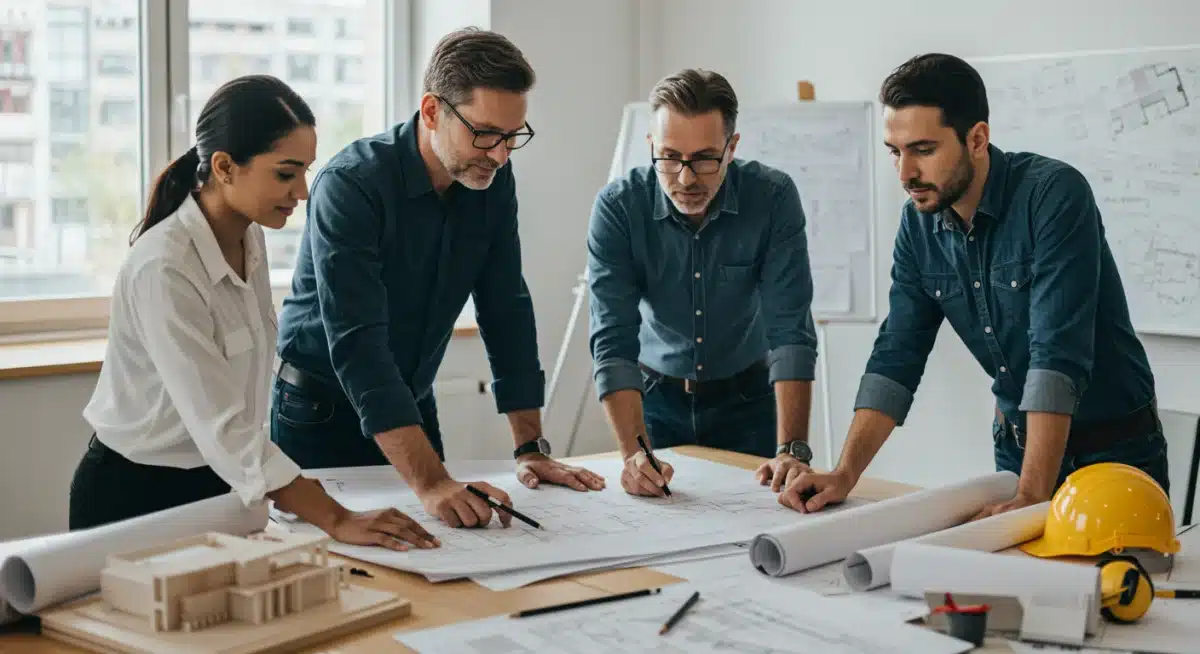
Integrated design processes are becoming standard, where architects, engineers, contractors, and owners collaborate from the earliest stages of a project. This holistic approach ensures that energy efficiency is embedded into every design decision, optimizing building performance.
Alongside integrated design, performance-based contracts are gaining traction. These contracts tie a portion of a project’s payment to the actual energy performance of the completed building, incentivizing contractors to deliver highly efficient structures.
This shift from prescriptive to performance-based outcomes is a powerful driver for achieving significant energy reductions. It ensures accountability and fosters innovation in energy-saving solutions, directly impacting the effectiveness of green building certifications.
Advanced Building Materials and Envelopes
Innovations in building materials and envelope technologies are critical for improving thermal performance and reducing energy loss. This includes advanced insulation, phase-change materials, and smart windows that adapt to external conditions.
High-performance facades are now being designed to maximize natural light while minimizing solar heat gain, reducing the need for artificial lighting and air conditioning.
These material advancements are fundamental to achieving deep energy retrofits and highly efficient new constructions.
The development of bio-based and recycled materials also contributes to a lower embodied energy in buildings, further enhancing their overall sustainability profile. These material innovations are central to the evolution of green building certifications.
Smart Building Technologies and AI Integration
The proliferation of smart building technologies, powered by artificial intelligence (AI) and machine learning, is revolutionizing energy management. These systems collect vast amounts of data on building performance, occupant behavior, and environmental conditions.
AI algorithms analyze this data to optimize HVAC operation, lighting, and other energy-consuming systems in real-time, often without human intervention. This proactive approach ensures that buildings are operating at peak efficiency, minimizing waste.
The integration of AI also enables predictive maintenance, identifying potential equipment failures before they occur, thus preventing energy inefficiencies and costly repairs. This technological leap is a game-changer for green building certifications.
Renewable Energy Integration and Storage
The widespread adoption of on-site and off-site renewable energy sources is a cornerstone of the 2026 energy reduction goals. Solar photovoltaics, wind turbines, and geothermal systems are becoming increasingly commonplace in green building projects.
Crucially, advancements in energy storage technologies, particularly battery storage, are making renewable energy more reliable and accessible. This allows buildings to store excess energy generated during peak production times and use it when demand is high or renewable generation is low.
This integration not only reduces reliance on fossil fuels but also contributes to grid stability and resilience. The move towards net-zero and energy-positive buildings is heavily dependent on these renewable energy solutions, directly supporting green building certifications.
Circular Economy Principles in Construction
Embracing circular economy principles in construction involves designing buildings for disassembly, maximizing the use of recycled and reused materials, and minimizing waste throughout the building lifecycle.
This approach reduces the environmental impact of material extraction and manufacturing.
By extending the lifespan of materials and components, the circular economy reduces the need for new resources and the energy associated with their production. This also leads to a significant reduction in construction and demolition waste going to landfills.
The emphasis on material efficiency and waste reduction indirectly contributes to energy savings by lowering the embodied energy of buildings. This holistic approach is increasingly being recognized and incentivized by green building certifications.
Policy and Financial Incentives for Green Building
Government policies and financial incentives play a critical role in accelerating the adoption of green building practices and achieving energy reduction targets. These include tax credits, grants, low-interest loans, and expedited permitting processes.
Many jurisdictions are implementing stricter building codes that mandate higher energy performance standards, effectively making green building practices the new baseline. These regulatory drivers compel the industry to innovate and adapt.
The availability of green financing options, such as green bonds and sustainability-linked loans, also makes it more attractive for developers and investors to pursue certified green building projects. These incentives are vital for the continued growth of green building certifications.
Occupant Engagement and Behavioral Change
While technology and design are crucial, occupant behavior significantly impacts a building’s actual energy consumption. Engaging occupants in energy-saving practices is therefore a vital component of the 2026 energy reduction strategy.
Smart building dashboards, personalized energy feedback, and educational programs can empower occupants to make more sustainable choices, such as optimizing thermostat settings or turning off lights when leaving a room. This behavioral aspect complements technological solutions.
Designing intuitive and user-friendly building controls also encourages energy-efficient habits. Ultimately, a truly sustainable building integrates both advanced systems and informed occupants to maximize energy savings, reinforcing the value of green building certifications.
| Key Aspect | Description |
|---|---|
| Certifications Focus | Frameworks like LEED, WELL, and LBC guide sustainable design and operations. |
| 2026 Energy Target | Aim for a 30% reduction in building energy consumption. |
| Key Trends | Integrated design, smart tech, renewables, and circular economy. |
| Impact | Lower operational costs, enhanced environmental performance, healthier spaces. |
Frequently Asked Questions on Green Building Certifications
Green building certifications offer multiple benefits, including significant reductions in operational costs due to lower energy and water consumption. They also enhance property value, improve occupant health and productivity, and demonstrate a commitment to environmental stewardship, attracting environmentally conscious tenants and investors.
Certifications mandate the integration of energy-efficient design strategies, high-performance materials, and renewable energy systems. They set rigorous performance benchmarks that require buildings to achieve specific energy savings, pushing projects to optimize every aspect of their energy use, leading to substantial reductions.
Smart building technologies, artificial intelligence, and advanced energy management systems are crucial. They enable real-time monitoring, optimization of HVAC and lighting, and predictive maintenance, ensuring buildings operate at peak energy efficiency. This technological integration is vital for meeting ambitious energy reduction targets.
Yes, numerous financial incentives exist, including federal, state, and local tax credits, grants, and low-interest loans. These incentives aim to offset the initial costs of green building and make sustainable development more financially attractive, accelerating market adoption and ensuring the growth of green building certifications.
The circular economy promotes designing buildings for longevity, adaptability, and eventual deconstruction, minimizing waste and maximizing material reuse. This approach significantly reduces the embodied energy of construction materials and decreases landfill waste, contributing to a more sustainable and resource-efficient built environment.
Looking Ahead
The convergence of advanced green building certifications and innovative 2026 trends is not merely a forecast but a current reality shaping the construction industry.
The ambitious target of a 30% reduction in energy consumption is achievable through continued dedication to these standards and emerging practices.
Stakeholders must remain vigilant, adapting to evolving regulations and embracing technological advancements. The immediate future demands a proactive approach, with integrated design and performance-based metrics becoming the norm.
The impact of these efforts extends beyond energy savings, fostering healthier environments and more resilient communities.
Understanding and implementing these essential certifications and trends will be paramount for anyone aiming to thrive in the sustainable construction landscape.
The momentum created by these developments will redefine the built environment for decades to come, driven by the principles of efficiency and ecological responsibility.
