Reducing Your Carbon Footprint in 2026: 7 Expert-Backed Strategies to Achieve a 20% Personal Emissions Cut This Year
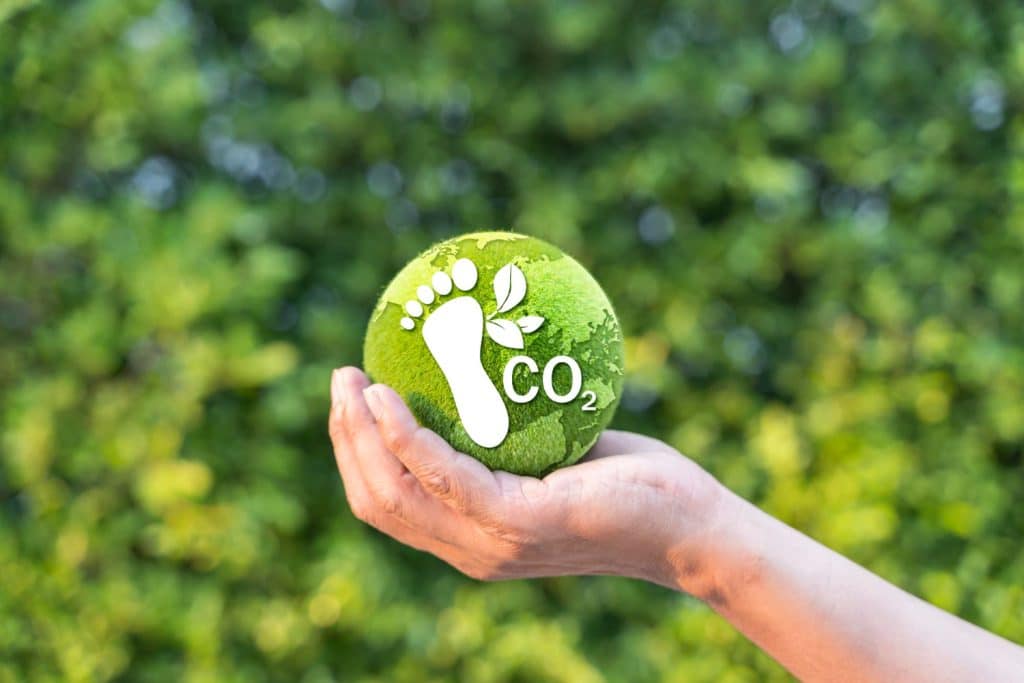
Thinking about your Carbon Footprint shouldn’t feel like a chore, but rather a strategic shift toward a smarter lifestyle. As we navigate 2026, the opportunity to shrink your environmental impact has never been more accessible or impactful.
Slashing your personal emissions by 20% is no longer a radical goal, but a practical reality driven by new tech and policy shifts. These expert-led tactics move beyond simple recycling to target the core of your ecological debt.
From grid-smart energy consumption to refined travel habits, staying ahead of these trends is essential for any conscious citizen. Here is how you can master your sustainability goals and lead the charge in this green transition.
Setting the Stage for a Sustainable 2026: The Imperative for Personal Emissions Cuts
The global community faces an urgent imperative to address climate change, and individual actions play a pivotal role in this collective effort. As 2026 approaches, the focus intensifies on practical, achievable methods for reducing personal environmental impact.
Experts emphasize that even small, consistent changes can aggregate into significant reductions.
Achieving a 20% personal emissions cut is not merely an aspirational target; it is a measurable goal supported by actionable strategies.
This objective demands a conscious re-evaluation of daily habits, from energy consumption to dietary choices and transportation. The journey toward a smaller carbon footprint requires commitment but offers substantial benefits for both individuals and the planet.
Understanding the direct link between personal choices and environmental outcomes empowers individuals to become active participants in climate solutions.
This article delves into seven expert-backed strategies designed to guide you in effectively reducing carbon footprint 2026, ensuring a tangible impact on your personal emissions.
Strategy 1: Optimizing Home Energy Consumption
Reducing energy use at home stands as one of the most impactful ways to shrink an individual’s carbon footprint. This strategy encompasses a range of actions, from upgrading appliances to adopting smarter daily habits.
The goal is to minimize reliance on energy sources that contribute heavily to greenhouse gas emissions.
Prioritizing energy efficiency begins with a thorough assessment of current household energy consumption patterns. Identifying major energy drains, such as outdated heating and cooling systems or inefficient lighting, provides a clear roadmap for intervention.
Many improvements offer both environmental benefits and long-term cost savings.
Implementing smart home technologies further enhances energy management, providing real-time data and automated controls. This proactive approach to energy consumption is crucial for anyone aiming for a significant reduction in their personal emissions by 2026.
Embrace Energy-Efficient Appliances and Lighting
Replacing old appliances with ENERGY STAR certified models can drastically cut electricity usage.
These products are designed to use less energy, translating into lower utility bills and a reduced carbon footprint. Similarly, switching to LED lighting throughout the home offers substantial energy savings.
The initial investment in energy-efficient upgrades often pays for itself through reduced operating costs over time.
Furthermore, many local governments and utility companies offer rebates and incentives for these improvements, making them more accessible to homeowners and renters alike. This is a foundational step in reducing carbon footprint 2026.
Implement Smart Home Energy Management
Smart thermostats, such as those from Nest or Ecobee, learn your preferences and optimize heating and cooling schedules, preventing unnecessary energy waste.
Smart plugs allow you to control devices remotely, ensuring they are only drawing power when needed, eliminating phantom load. These technologies provide granular control over energy usage.
Beyond thermostats and plugs, comprehensive smart home systems can integrate lighting, window coverings, and even water heaters to create a truly optimized energy environment.
The data provided by these systems also helps in understanding and further refining energy consumption habits.
- Install a programmable or smart thermostat to regulate indoor temperatures efficiently.
- Switch to LED light bulbs, which consume significantly less electricity and have a longer lifespan.
- Unplug electronics when not in use to avoid phantom energy drain.
- Insulate your home properly to prevent heat loss in winter and heat gain in summer.
Strategy 2: Sustainable Transportation Choices
Transportation is a major contributor to individual carbon footprints, particularly in regions heavily reliant on personal vehicles.
Shifting towards more sustainable modes of transport can yield substantial reductions in emissions. This strategy encourages a holistic view of how we move from one place to another.
The choices made regarding daily commutes and longer journeys have a direct impact on the environment. Embracing alternatives to single-occupancy gasoline-powered cars is paramount for anyone serious about climate action.
This includes considering electric vehicles, public transport, and active mobility.
Planning travel more consciously, combining errands, and exploring local options can also contribute significantly to reducing carbon footprint 2026.
The collective adoption of these practices can transform urban and suburban landscapes, leading to cleaner air and healthier communities.
Prioritize Public Transportation and Active Commuting
Utilizing public transport, such as buses, trains, and subways, significantly reduces individual emissions compared to driving alone.
These systems are designed to move many people efficiently, thereby lowering per-person carbon output. Many cities are expanding their public transport networks, making this option increasingly viable.
For shorter distances, walking and cycling offer zero-emissions alternatives that also provide health benefits. Investing in an electric bicycle can extend the range of active commuting, making it feasible for more people.
Carpooling is another effective way to reduce the number of vehicles on the road, sharing the environmental burden.
Consider Electric or Hybrid Vehicles
If personal vehicle ownership is necessary, transitioning to an electric vehicle (EV) or a hybrid model represents a significant step towards sustainability.
EVs produce zero tailpipe emissions, and their overall carbon footprint depends on the electricity source. As grids become greener, the environmental benefits of EVs increase.
The market for electric and hybrid vehicles is rapidly expanding, offering a wide range of models to suit various needs and budgets.
Government incentives, such as tax credits and rebates, can also make these vehicles more affordable. This shift is a powerful component of reducing carbon footprint 2026 goals.
- Walk or bike for short distances, incorporating physical activity into your routine.
- Utilize public transportation whenever possible for commuting and errands.
- Consider carpooling with colleagues or friends to reduce the number of cars on the road.
- Research electric or hybrid vehicles if purchasing a new car is necessary.
Strategy 3: Adopting a Plant-Rich Diet
The food system, particularly the production of meat and dairy, is a significant contributor to greenhouse gas emissions.
Shifting towards a more plant-rich diet can dramatically reduce an individual’s environmental impact. This strategy focuses on conscious food choices that benefit both personal health and planetary well-being.
Reducing consumption of animal products, even partially, can lead to substantial reductions in emissions related to land use, water consumption, and methane production.
The environmental benefits of plant-based diets are well-documented and supported by extensive scientific research. This dietary shift is a powerful tool for climate action.
Exploring diverse plant-based foods can also open up new culinary experiences and improve nutritional intake. This strategy is not about strict adherence to a vegan diet for everyone, but rather about making more informed and sustainable food choices consistently.
Reduce Meat and Dairy Consumption
Incorporating more plant-based meals into your weekly routine is a straightforward way to start. Even observing ‘Meatless Mondays’ or opting for plant-based alternatives a few times a week can make a difference.
The production of beef, in particular, has a disproportionately high environmental footprint due to methane emissions and land requirements.
There is a growing availability of delicious and nutritious plant-based alternatives for meats, cheeses, and milk. Experimenting with these options can make the transition easier and more enjoyable. This conscious effort in dietary choices is a key aspect of reducing carbon footprint 2026.
Support Local and Seasonal Produce
Purchasing locally sourced and seasonal fruits and vegetables reduces the carbon emissions associated with transportation and storage
. Food that travels shorter distances requires less fuel for delivery and often less energy for refrigeration. Visiting farmers’ markets or joining a Community Supported Agriculture (CSA) program can facilitate this.
Local and seasonal produce is often fresher, more nutritious, and supports local economies. It also helps in understanding the agricultural cycle and reconnecting with the source of your food. This practice minimizes the ‘food miles’ and contributes to a lower overall environmental impact.
- Incorporate more plant-based meals into your weekly diet, reducing reliance on meat and dairy.
- Choose locally sourced and seasonal fruits and vegetables to minimize transportation emissions.
- Reduce food waste by planning meals, storing food properly, and composting scraps.
- Consider growing some of your own produce, even a small herb garden can make a difference.
Strategy 4: Mindful Consumption and Waste Reduction
The lifecycle of products, from manufacturing to disposal, contributes significantly to carbon emissions. Adopting mindful consumption habits and actively reducing waste are critical for lowering an individual’s environmental impact. This strategy emphasizes the principles of reduce, reuse, and recycle.
Every purchase decision carries an environmental consequence, making conscious consumption an essential component of sustainable living.
Opting for durable, repairable, and sustainably produced goods over disposable items minimizes resource extraction and waste generation. This shift in mindset fosters a more circular economy.
Effective waste management, including composting and comprehensive recycling, further lessens the burden on landfills and reduces methane emissions. These practices are fundamental to reducing carbon footprint 2026 and promoting a healthier planet.
Reduce, Reuse, Recycle: The Core Principles
The most effective way to reduce waste is to simply consume less. Before making a purchase, consider if the item is truly needed and if there are alternatives to buying new. Prioritizing quality over quantity ensures products last longer, reducing the need for frequent replacements.
Reusing items, whether through repairing broken goods, opting for refillable containers, or donating unwanted possessions, extends their lifespan and keeps them out of landfills.
When items can no longer be reused, proper recycling ensures materials are given a second life. Understanding local recycling guidelines is crucial for effectiveness.
Compost Organic Waste
Organic waste, such as food scraps and yard trimmings, constitutes a significant portion of municipal solid waste.
When sent to landfills, this material decomposes anaerobically, producing methane, a potent greenhouse gas. Composting offers an effective solution, turning waste into nutrient-rich soil amendment.
Whether through a backyard compost pile, a worm bin, or participating in a municipal composting program, diverting organic waste is a powerful action.
This not only reduces landfill emissions but also improves soil health and reduces the need for chemical fertilizers. This is a practical step in reducing carbon footprint 2026.
- Adopt a minimalist approach to consumption, questioning the necessity of new purchases.
- Prioritize durable and repairable products over single-use or disposable items.
- Actively participate in recycling programs and understand local guidelines for various materials.
- Start composting food scraps and yard waste to divert organic material from landfills.
Strategy 5: Supporting Renewable Energy
The source of electricity powering homes and businesses has a profound impact on carbon emissions.
Actively supporting and transitioning to renewable energy sources is a critical strategy for individuals aiming to significantly reduce their carbon footprint. This empowers consumers to drive demand for cleaner energy.
In many regions, consumers have options to choose electricity plans that source power from renewables like solar, wind, or hydro.
This direct action helps to fund renewable energy projects and accelerate the transition away from fossil fuels. It is a tangible way to make a difference without significant lifestyle changes.
For homeowners, installing solar panels offers a direct path to generating clean energy and can even lead to energy independence.
The economic incentives and technological advancements in solar power make it an increasingly attractive option for those committed to reducing carbon footprint 2026.
Choose Green Energy Providers
Many utility companies now offer programs where consumers can opt for electricity generated from renewable sources. These programs often involve a slight premium but ensure that your energy consumption is offset by clean energy production.
Researching and switching to such a provider is a simple yet impactful step.
Even if direct green energy options are not available, advocating for renewable energy policies and supporting organizations that promote clean energy development contributes to the broader shift. Collective consumer demand can influence policy and market changes.
Invest in Home Solar Power
For homeowners, installing solar panels can significantly reduce or even eliminate reliance on grid electricity, especially if paired with battery storage.
This not only slashes your carbon footprint but can also lead to long-term savings on electricity bills. The cost of solar installation has decreased substantially in recent years, and various incentives are available.
Before investing, it is advisable to conduct a thorough energy audit and consult with reputable solar installers to determine feasibility and potential returns.
Solar power represents a substantial commitment but offers immense environmental benefits and energy independence.
- Research and switch to a utility provider that offers green energy plans sourced from renewables.
- Consider installing solar panels on your home to generate your own clean electricity.
- Advocate for policies that support the development and adoption of renewable energy.
- Support community solar projects if individual home installation is not feasible.
Strategy 6: Reducing Water Consumption
Water usage might not immediately come to mind when considering carbon footprints, but the energy required to treat, pump, and heat water is substantial.
Reducing water consumption directly translates to lower energy demand and, consequently, reduced emissions. This strategy addresses an often-overlooked aspect of personal environmental impact.
From daily showers to landscape irrigation, every drop of water used has an energy cost associated with it. Implementing water-saving fixtures and adopting conscious habits can significantly cut down on this hidden energy consumption.
These actions are both environmentally responsible and economically beneficial.
Conserving water also protects vital natural resources and supports ecosystem health, especially in regions facing water scarcity. This holistic approach to resource management is essential for effectively reducing carbon footprint 2026 and fostering broader sustainability.
Install Water-Efficient Fixtures
Upgrading to low-flow showerheads, toilets, and faucets can reduce household water consumption by a significant margin without sacrificing performance.
These fixtures are designed to deliver adequate pressure and cleansing while using considerably less water. The installation is typically straightforward and offers immediate benefits.
Look for products with the WaterSense label, indicating they meet EPA criteria for efficiency and performance.
These simple upgrades are highly cost-effective and contribute directly to lower energy bills and a smaller environmental footprint. This is a practical and immediate step for many households.
Adopt Water-Saving Habits
Beyond fixtures, daily habits play a crucial role in water conservation. Taking shorter showers, turning off the tap while brushing teeth or washing dishes, and only running dishwashers and washing machines with full loads are simple yet effective practices.
These small changes, when practiced consistently, accumulate into significant savings.
For outdoor use, consider xeriscaping with drought-tolerant plants, collecting rainwater for irrigation, and watering plants during cooler parts of the day to minimize evaporation.
Conscious water use is a powerful tool for reducing carbon footprint 2026 and promoting resource efficiency.
- Install low-flow showerheads, toilets, and faucets in your home.
- Take shorter showers and turn off the water while lathering.
- Only run dishwashers and washing machines when they are full.
- Collect rainwater for gardening and consider drought-tolerant landscaping.

Strategy 7: Advocating for Climate Action and Education
Individual actions are amplified when coupled with collective advocacy and education. This strategy emphasizes the importance of using your voice to support policies and initiatives that promote broader climate action.
Personal changes are vital, but systemic change is also required to truly move the needle on emissions.
Engaging with local and national policymakers, supporting environmental organizations, and educating friends and family about sustainable practices can create a ripple effect.
Informed advocacy pushes for the infrastructure and regulatory frameworks necessary for a low-carbon future. This collective effort is critical for large-scale impact.
Staying informed about climate science and policy developments allows individuals to make more effective contributions to the climate conversation.
This strategy underscores that reducing carbon footprint 2026 is not just about personal habits, but also about fostering a supportive environment for change.
Engage in Policy Advocacy
Contacting elected officials to express support for climate-friendly legislation, participating in local community meetings, and signing petitions can influence policy decisions.
Supporting candidates who prioritize environmental protection ensures that climate action remains on the political agenda. Your voice as a constituent holds significant weight.
Joining local environmental groups or national organizations dedicated to climate advocacy provides a platform for collective action.
These groups often coordinate efforts to lobby policymakers and raise public awareness, maximizing impact. Active participation can drive meaningful systemic change.
Educate and Inspire Others
Sharing your knowledge and experiences with friends, family, and colleagues can inspire them to adopt more sustainable practices. Leading by example and offering practical tips can demystify climate action and make it more accessible.
Simple conversations can spark significant changes in behavior.
Utilize social media and other platforms to share reliable information about climate change and solutions. Countering misinformation and promoting evidence-based understanding are crucial for fostering a more environmentally conscious society.
This educational outreach reinforces efforts to reducing carbon footprint 2026 on a broader scale.
- Contact your elected officials to advocate for climate-friendly policies and legislation.
- Support environmental organizations working on climate solutions through donations or volunteering.
- Educate friends and family about the importance of reducing their carbon footprint.
- Participate in community initiatives focused on sustainability and climate resilience.
| Key Strategy | Brief Description |
|---|---|
| Home Energy Optimization | Reduce household energy consumption through efficient appliances and smart management. |
| Sustainable Transportation | Choose public transit, active commuting, or electric vehicles to cut travel emissions. |
| Plant-Rich Diet | Decrease meat and dairy intake, and support local, seasonal produce to lower food emissions. |
| Mindful Consumption | Reduce, reuse, and recycle more effectively, and compost organic waste to lessen landfill impact. |
Frequently Asked Questions About Carbon Footprint Reduction
A carbon footprint measures the total greenhouse gas emissions caused directly and indirectly by an individual, organization, event, or product. Reducing it is crucial to mitigating climate change, as these gases trap heat in the atmosphere, leading to global warming and its associated environmental impacts. Collective action is vital for a sustainable future.
Yes, a 20% personal emissions cut by 2026 is an ambitious but achievable goal for many individuals. By implementing several of the expert-backed strategies simultaneously, such as optimizing home energy, choosing sustainable transport, and adopting a plant-rich diet, significant reductions are well within reach. Consistency and commitment are key.
Several online carbon footprint calculators can help you estimate your current emissions and track improvements. Many utility providers offer tools to monitor energy usage, and apps can help log sustainable transportation choices. Regularly reviewing consumption habits and comparing them to previous periods is also effective for reducing carbon footprint 2026.
Typically, the largest contributors to an individual’s carbon footprint are home energy consumption (heating, cooling, electricity), transportation (personal vehicles, air travel), and dietary choices (especially meat and dairy production). Addressing these areas first often yields the most significant reductions in emissions. Focusing on these areas is crucial for reducing carbon footprint 2026.
Beyond personal actions, advocating for climate-friendly policies, supporting organizations dedicated to environmental protection, and educating others are powerful ways to contribute. Collective action and systemic change are essential for large-scale impact. Your voice and support can influence broader societal shifts towards sustainability. This collective effort is vital for reducing carbon footprint 2026 and beyond.
Looking Ahead: The Path to a Lower Carbon Future
The strategies outlined for reducing carbon footprint 2026 provide a clear roadmap for individuals committed to making a tangible difference.
The ongoing developments in renewable energy, sustainable technologies, and public awareness suggest a promising trajectory for climate action. What happens now hinges on sustained individual effort and collective advocacy.
Monitoring advancements in green initiatives and policy changes will be crucial for adapting personal strategies and maximizing impact. This collective journey towards sustainability requires continuous learning and a proactive approach to environmental stewardship.
The implications of achieving a 20% personal emissions cut extend far beyond individual households, contributing to a more resilient and healthier planet for all.
