Smart Cities, Smarter Living: Evaluating 3 New Technologies Transforming Urban Life in U.S. Metros

As the dawn of the next decade approaches, the concept of Smart Cities is rapidly shifting from a futuristic blueprint into a tangible urban reality. American metropolises are no longer just hubs of activity; they are becoming living ecosystems fueled by data and connectivity.
These interconnected environments leverage cutting-edge infrastructure to solve age-old problems, prioritizing efficiency and sustainability for every citizen.
By integrating digital intelligence into the physical world, city planners are fundamentally reimagining how we navigate and interact with our surroundings.
This report explores three breakthrough innovations poised to redefine the domestic landscape by 2030. From autonomous transit to hyper-local energy grids, these advancements represent the next frontier of high-tech civic evolution and the future of communal living.
The Rise of Intelligent Mobility Systems
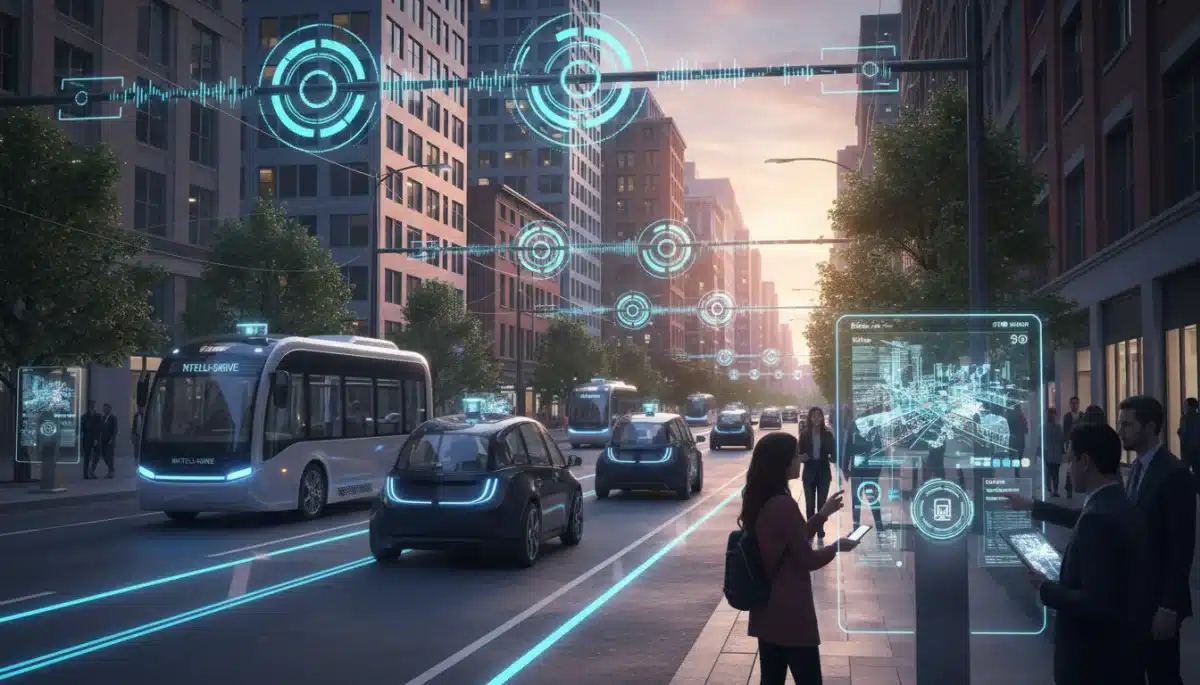
Intelligent Mobility Systems represent a paradigm shift in urban transportation, moving beyond traditional traffic management to encompass fully integrated, adaptive networks.
These systems leverage real-time data, artificial intelligence, and interconnected infrastructure to optimize traffic flow, reduce congestion, and promote sustainable transit options.
Cities like Los Angeles and New York are already experimenting with AI-powered traffic lights and predictive analytics to manage peak hour congestion. The goal is not just faster travel, but a more efficient, safer, and environmentally friendly urban commute for millions of residents.
By 2030, these systems are expected to be widespread, significantly impacting how people move within and between U.S. metros, contributing directly to Smart Cities Technologies 2030 initiatives.
Autonomous Vehicles and Public Transit Integration
The integration of autonomous vehicles (AVs) into public transit networks is a cornerstone of intelligent mobility. Driverless shuttles and robotaxis, operating on optimized routes, promise to fill gaps in existing public transportation, especially in suburban areas, offering on-demand services.
Several U.S. cities, including Phoenix and San Francisco, are piloting AV services, demonstrating their potential for increased accessibility and reduced operational costs.
This evolution is crucial for realizing the full potential of Smart Cities Technologies, making urban transportation more inclusive and efficient.
The challenges, however, include public acceptance, regulatory frameworks, and cybersecurity concerns, which cities are actively addressing through phased rollouts and robust testing protocols.
Smart Infrastructure for Dynamic Traffic Management
Beyond vehicles, intelligent mobility relies heavily on smart infrastructure, including interconnected sensors, cameras, and communication networks embedded within roads and public spaces.
These components collect vast amounts of data on traffic patterns, pedestrian movement, and environmental conditions.
This data feeds into central AI platforms that can dynamically adjust traffic signals, reroute vehicles in real-time, and even predict congestion hotspots before they occur.
The result is a highly responsive urban environment where infrastructure actively participates in managing mobility, a key aspect of Smart Cities Technologies.
Investment in such infrastructure is substantial, but the long-term benefits in terms of reduced emissions, decreased travel times, and enhanced safety are expected to outweigh the initial costs.
Advanced IoT for Urban Resource Management
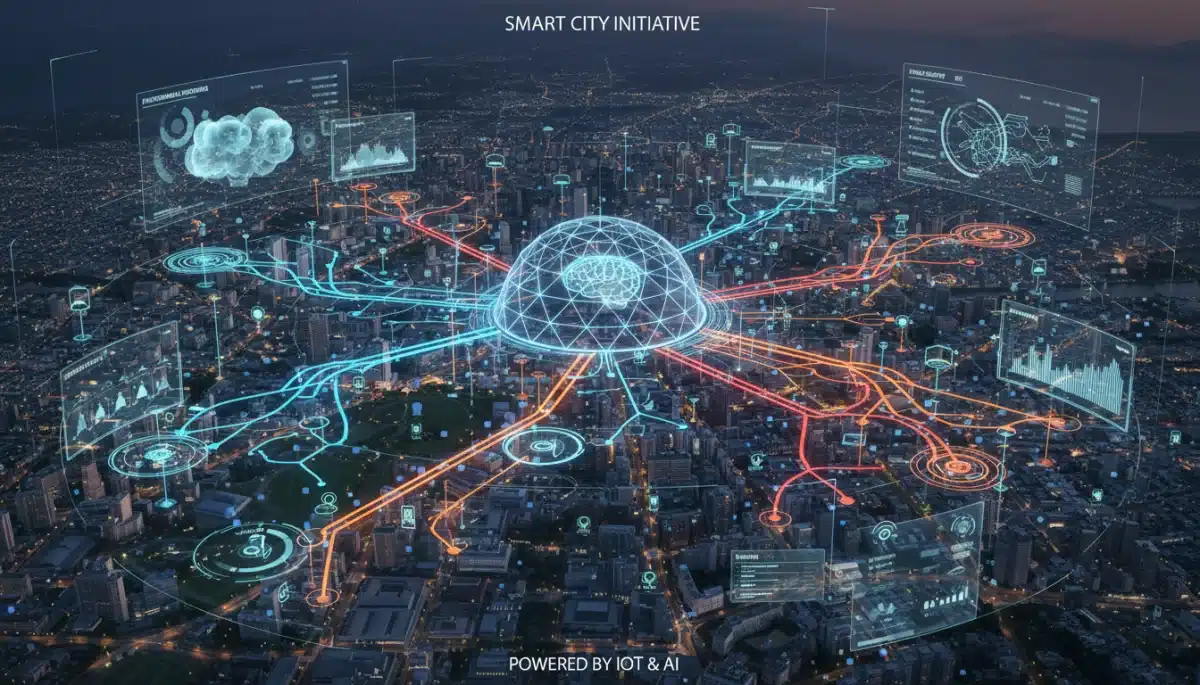
The Internet of Things (IoT) is the backbone of modern smart cities, enabling unprecedented levels of data collection and analysis for efficient resource management.
This technology involves a vast network of interconnected sensors and devices deployed across urban environments, continuously monitoring everything from waste levels to air quality.
By leveraging IoT, cities can gain granular insights into resource consumption patterns, identify inefficiencies, and automate processes to optimize services. This leads to more sustainable operations, reduced waste, and improved public services, all central to the vision of Smart Cities.
The sheer volume of data generated necessitates robust analytics platforms and secure data infrastructure to ensure that insights are actionable and privacy is protected.
Smart Grids and Energy Optimization
Smart grids, powered by IoT sensors and advanced analytics, are transforming how cities manage energy. These intelligent systems can monitor energy consumption in real-time, detect outages, and even integrate renewable energy sources more effectively into the main power supply.
Cities like Austin, Texas, are pioneering smart grid initiatives that allow for dynamic pricing, encouraging residents to shift energy use during off-peak hours and reducing overall demand.
This not only lowers energy costs but also enhances grid resilience, a vital component of sustainable Smart Cities Technologies..
The transition to smart grids requires significant investment in infrastructure upgrades and consumer education to maximize their potential benefits for urban populations.
Waste Management and Environmental Monitoring
IoT also plays a crucial role in modernizing urban waste management and environmental monitoring.
Smart bins equipped with sensors can detect fill levels and automatically notify waste collection services when they need emptying, optimizing collection routes and reducing fuel consumption.
Furthermore, networks of environmental sensors continuously monitor air quality, water purity, and noise pollution, providing real-time data to inform public health policies and urban planning decisions.
This proactive approach to environmental management is key for creating healthier urban environments and is a defining characteristic of Smart Cities Technologies.
The data collected from these systems allows cities to respond rapidly to environmental concerns and develop targeted interventions to improve urban ecology.
AI-Powered Public Safety and Emergency Response
Artificial Intelligence (AI) is revolutionizing public safety and emergency response in urban areas, moving beyond reactive measures to predictive and preventative strategies.
AI algorithms can analyze vast datasets from various sources, including surveillance cameras, social media, and emergency calls, to identify potential threats and optimize response times.
This technology is already being implemented in cities to enhance situational awareness for law enforcement and emergency services, allowing for more efficient deployment of resources.
The integration of AI into public safety frameworks is a critical element of creating truly resilient and secure Smart Cities.
The ethical implications and privacy concerns associated with extensive AI surveillance are significant and require careful consideration and robust regulatory frameworks.
Predictive Policing and Crime Prevention
Predictive policing models use AI to analyze historical crime data, demographic information, and social indicators to forecast where and when crimes are most likely to occur.
This allows police departments to strategically deploy resources to high-risk areas, potentially preventing incidents before they happen.
While still a contentious technology due to concerns about bias and civil liberties, several U.S. cities have experimented with predictive policing to varying degrees of success.
The aim is to enhance public safety proactively, a core objective of Smart Cities Technologies efforts, while navigating complex ethical landscapes.
Transparency and accountability in the use of such AI systems are paramount to build public trust and ensure equitable application of the technology.
Optimizing Emergency Services Dispatch
AI algorithms are also being used to optimize the dispatch of emergency services, including police, fire, and medical teams.
By analyzing real-time traffic conditions, incident severity, and resource availability, AI can identify the quickest routes and allocate the most appropriate units to an emergency.
This optimization significantly reduces response times, which can be critical in life-threatening situations. Cities are investing in these AI-powered dispatch systems to improve the efficiency and effectiveness of their emergency infrastructure, directly supporting the goals of Smart Cities..
The continuous learning capabilities of AI ensure that these systems improve over time, adapting to new urban dynamics and unforeseen challenges.
Data Security and Privacy in Smart City Ecosystems
As U.S. metros embrace advanced technologies for smart living, the proliferation of data raises critical concerns regarding security and privacy.
The interconnected nature of intelligent mobility, IoT, and AI-powered public safety systems means vast amounts of sensitive personal and operational data are constantly being collected, processed, and stored.
Ensuring the integrity and confidentiality of this data is paramount to maintaining public trust and protecting against cyber threats.
Robust cybersecurity measures, including encryption, multi-factor authentication, and intrusion detection systems, are essential for safeguarding smart city infrastructure and resident information.
The development of comprehensive data governance policies and ethical guidelines is crucial for responsible implementation of Smart Cities Technologies 2030.
Building Public Trust Through Transparency
Public acceptance of smart city initiatives hinges on transparency regarding data collection, usage, and storage practices. Citizens need to understand how their data is being used to improve urban services and what measures are in place to protect their privacy.
Cities are increasingly engaging in public dialogues and establishing citizen oversight committees to address these concerns and foster trust.
Clear communication about the benefits and risks of smart technologies is vital for successful long-term adoption, supporting the broader vision of Smart Cities..
Without public buy-in, even the most innovative technologies may face significant resistance, hindering their transformative potential.
Funding and Public-Private Partnerships
The ambitious scope of smart city development necessitates substantial investment and collaborative funding models.
Public-private partnerships (PPPs) are emerging as a key mechanism for financing the deployment and maintenance of advanced technological infrastructure across U.S. metros.
These partnerships leverage the financial resources and technological expertise of the private sector while ensuring alignment with public policy goals and community needs.
Successful PPPs are crucial for accelerating the implementation of Smart Cities Technologies, bringing together diverse stakeholders.
Careful negotiation of contracts and clear delineation of responsibilities are essential for the success and longevity of these collaborative ventures.
Federal and State Initiatives Supporting Innovation
Beyond local efforts, federal and state governments are playing an increasingly active role in supporting smart city initiatives through grants, research funding, and policy frameworks.
Programs like the U.S. Department of Transportation’s Smart City Challenge have incentivized innovation and provided critical seed funding for groundbreaking projects.
These initiatives help to de-risk investments for local governments and foster a national ecosystem of smart city development.
Such governmental support is instrumental in scaling up individual projects to broader regional and national impacts, solidifying the foundation for Smart Cities..
Continued and expanded governmental support will be vital for sustaining the momentum of urban technological transformation.
Ethical Considerations and Social Equity
As U.S. metros embrace advanced technologies, ensuring that smart city initiatives promote social equity and address ethical considerations is paramount.
The deployment of surveillance technologies, for instance, raises concerns about privacy, civil liberties, and potential biases in algorithmic decision-making, particularly in AI-powered public safety systems.
It is crucial that smart city planning prioritizes inclusive design, ensuring that technological advancements benefit all residents, not just a select few.
This includes providing equitable access to digital infrastructure and services, and actively involving diverse community voices in the development process, a core aspect of truly effective Smart Cities Technologies.
Addressing these ethical and equity concerns proactively will be key to building truly resilient and just urban environments.
Bridging the Digital Divide
A significant challenge in achieving social equity within smart cities is bridging the digital divide. Many urban residents, particularly in underserved communities, lack reliable access to high-speed internet and the digital literacy necessary to fully utilize smart city services.
Cities must implement programs to expand broadband access and provide digital skills training to ensure that no segment of the population is left behind. This commitment to digital inclusion is fundamental for the equitable development of Smart Cities, ensuring widespread benefits.
Efforts to bridge this divide will require sustained investment and collaborative approaches involving public, private, and non-profit organizations.
| Key Aspect | Brief Description |
|---|---|
| Intelligent Mobility | AI-driven traffic, autonomous vehicles, and smart infrastructure for efficient transport. |
| Advanced IoT | Sensors for energy, waste, and environmental monitoring to optimize urban resources. |
| AI Public Safety | Predictive policing and optimized emergency dispatch for enhanced urban security. |
| Data & Ethics | Ensuring security, privacy, and social equity in smart city technology deployment. |
Frequently Asked Questions About Smart City Technologies
The main objective is to leverage advanced technologies like AI, IoT, and intelligent mobility to enhance urban efficiency, sustainability, and the overall quality of life for residents. This includes improving services, reducing environmental impact, and fostering economic growth in U.S. metros.
Autonomous vehicles are expected to integrate as driverless shuttles and robotaxis, complementing existing public transport. They will offer on-demand services, especially in areas underserved by traditional transit, optimizing routes and reducing operational costs for cities by 2030.
Key concerns include the extensive collection of personal data through surveillance, potential biases in AI algorithms leading to unequal treatment, and the risk of data breaches. Cities must establish robust regulatory frameworks and ensure transparency to address these ethical challenges by 2030.
Smart grids optimize energy consumption by monitoring usage in real-time, integrating renewable sources efficiently, and enabling dynamic pricing. This reduces overall energy demand, lowers carbon emissions, and enhances grid resilience, crucial for sustainable Smart Cities Technologies 2030.
Public-private partnerships are vital for financing and implementing smart city projects. They combine private sector expertise and capital with public policy goals, accelerating technology deployment and ensuring projects align with community needs for Smart Cities Technologies 2030.
Looking Ahead: The Evolving Urban Landscape
The journey towards Smart Cities is not merely about adopting new technologies; it is about fundamentally rethinking urban governance, infrastructure, and community engagement.
The integration of intelligent mobility, advanced IoT, and AI-powered public safety systems promises to deliver more efficient, sustainable, and safer urban environments.
However, the path forward requires continuous vigilance regarding data privacy, equitable access, and the ethical deployment of these powerful tools.
As U.S. metros continue to innovate, the focus will remain on creating human-centric smart cities that genuinely enhance the lives of all residents, adapting to new challenges and opportunities as they emerge.
