Smart Meters and Grid Automation: How 65 Million Connected Utilities Impact Household Energy Autonomy
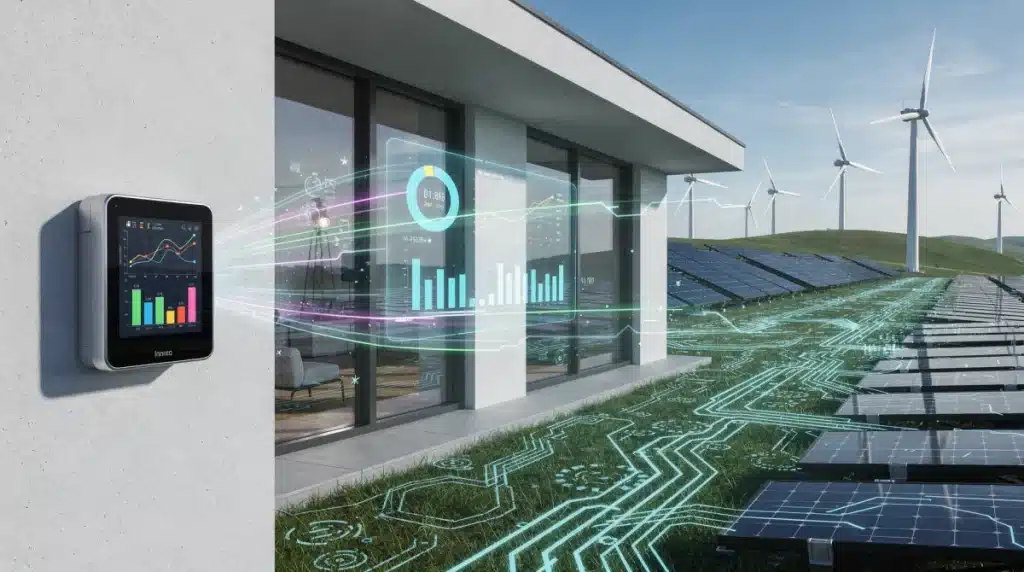
Upgrading your home’s electrical connectivity is transforming how millions of households interact with the national power grid. The rapid rollout of Smart Meters and Grid Automation across more than 65 million connected utilities gives consumers real-time control over their daily energy management and power consumption.
Advanced metering infrastructure and self-healing distribution networks allow municipal power providers to detect outages instantly while helping homeowners track real-time usage spikes.
This digital energy transformation opens new opportunities for time-of-use rate optimization, decentralized solar integration, and automated demand-response savings.
Taking control of your household energy footprint empowers you to reduce utility bills and enhance your personal power independence. Here is how modernizing America’s electrical infrastructure is redefining residential energy autonomy across the country.
The Rise of Smart Meters: A New Era of Energy Data
The proliferation of smart meters is fundamentally changing the way utilities operate and how consumers interact with their energy providers. These advanced devices provide granular, real-time data on energy consumption, a stark contrast to the traditional monthly meter readings.
This wealth of data empowers both utilities and consumers. Utilities can better forecast demand, detect outages more quickly, and optimize grid operations, leading to improved reliability and efficiency.
Consumers, in turn, gain insights into their energy usage patterns, enabling informed decisions to reduce consumption and costs.
The integration of these devices is a cornerstone of modernizing the electric grid, moving towards a system that is not only smarter but also more resilient against disruptions and better equipped to handle the complexities of renewable energy integration.
Real-Time Insights and Consumer Empowerment
Smart meters offer unprecedented visibility into household energy consumption, allowing users to track their usage by the hour or even minute. This detailed information enables consumers to identify energy-intensive appliances and adjust their habits accordingly.
This real-time feedback loop is crucial for fostering energy conservation and promoting behavioral changes that lead to significant savings. It transforms abstract energy bills into actionable data, putting control directly into the hands of the household.
The ability to monitor energy in real-time is a powerful tool for achieving greater energy autonomy. It allows households to understand their energy footprint and make conscious decisions about when and how they consume electricity.
- Access to granular energy consumption data.
- Ability to identify and reduce peak demand usage.
- Empowerment for informed energy-saving decisions.
- Facilitates participation in personalized energy programs.
The data collected by smart meters also supports personalized energy recommendations and tariffs, allowing consumers to choose plans that best suit their lifestyle and energy habits. This level of customization was previously unimaginable with traditional metering systems.
Furthermore, smart meters are often the gateway for integrating home energy management systems (HEMS). These systems can automate energy usage, optimize appliance operation, and even manage distributed energy resources like rooftop solar panels or electric vehicle charging.
The ongoing development of these technologies continues to enhance the capabilities of smart meters, making them an increasingly vital component in the quest for household energy autonomy and a more efficient energy ecosystem.
The impact of Smart Meters and Grid Automation is continuously expanding.
Grid Automation: Building a Resilient and Responsive Infrastructure
Beyond individual households, smart meters are critical components of a broader initiative: grid automation. This involves integrating advanced sensors, communication networks, and control systems across the entire electricity delivery infrastructure.
Grid automation enables utilities to respond dynamically to changes in demand and supply, isolate faults more quickly, and restore power efficiently.
This significantly enhances the grid’s reliability and resilience, especially in the face of extreme weather events and growing energy demands.
The ultimate goal is to create a self-healing grid that can anticipate and react to disruptions, minimizing downtime and ensuring a consistent power supply for all consumers. This is a monumental undertaking, but the benefits are clear.
Optimizing Energy Distribution and Reliability
Automated grid systems utilize data from smart meters and other sensors to make real-time decisions about power flow. This allows for more efficient routing of electricity, reducing transmission losses and improving overall grid performance.
In the event of an outage, automated systems can quickly pinpoint the location of the fault and reroute power around the affected area, often before human operators are even aware of the issue. This significantly reduces the duration of power interruptions.
The enhanced reliability provided by grid automation is a major advantage for both utilities and consumers, ensuring a more stable and consistent energy supply that supports modern lifestyles and critical infrastructure.
- Faster fault detection and isolation.
- Automated power restoration and rerouting.
- Reduced transmission losses and increased efficiency.
- Improved grid resilience against external factors.
Moreover, grid automation facilitates the seamless integration of diverse energy sources, including intermittent renewables like solar and wind. The automated systems can balance the fluctuating output of these sources with traditional power generation, ensuring grid stability.
This capability is crucial for decarbonizing the energy sector and transitioning towards a more sustainable energy mix. The intelligent management of diverse energy inputs is a hallmark of a truly modern grid.
The ongoing investment in grid automation underscores its importance in the future of energy.
It’s a continuous process of innovation and deployment, ensuring that the infrastructure can meet the evolving demands of a connected society and the increasing adoption of Smart Meters and Grid Automation.
Household Energy Autonomy: The Consumer’s New Role
The convergence of smart meters and grid automation is directly empowering households to achieve greater energy autonomy. This means more than just consuming less; it involves actively managing energy, potentially generating it, and even selling excess back to the grid.
With real-time data and advanced control systems, homeowners can make informed decisions about when to run appliances, when to charge electric vehicles, and when to utilize stored energy. This level of control was largely unavailable to the average consumer just a decade ago.
The shift from passive consumers to active participants in the energy market is a transformative aspect of this technological revolution. It redefines the relationship between individuals and their energy providers, creating a more dynamic and interactive system.
Integrating Renewables and Storage Solutions
Smart meters are essential for households looking to install rooftop solar panels or other distributed energy resources. They accurately measure both consumption from the grid and generation fed back into it, enabling net metering and other incentive programs.
Furthermore, the rise of home battery storage systems, often coupled with solar installations, allows households to store excess energy generated during peak sunlight hours for use later, reducing reliance on the grid during expensive peak demand periods.
This combination of generation and storage moves households closer to true energy independence, reducing their utility bills and their carbon footprint. The full potential of Smart Meters and Grid Automation is becoming evident.
- Accurate measurement for net metering.
- Optimization of home battery storage.
- Reduced reliance on traditional grid power.
- Contribution to a decentralized energy system.
The ability to manage these systems effectively is greatly enhanced by the data and communication capabilities of smart meters. They provide the necessary information for home energy management systems to optimize energy flows, ensuring maximum efficiency and savings.
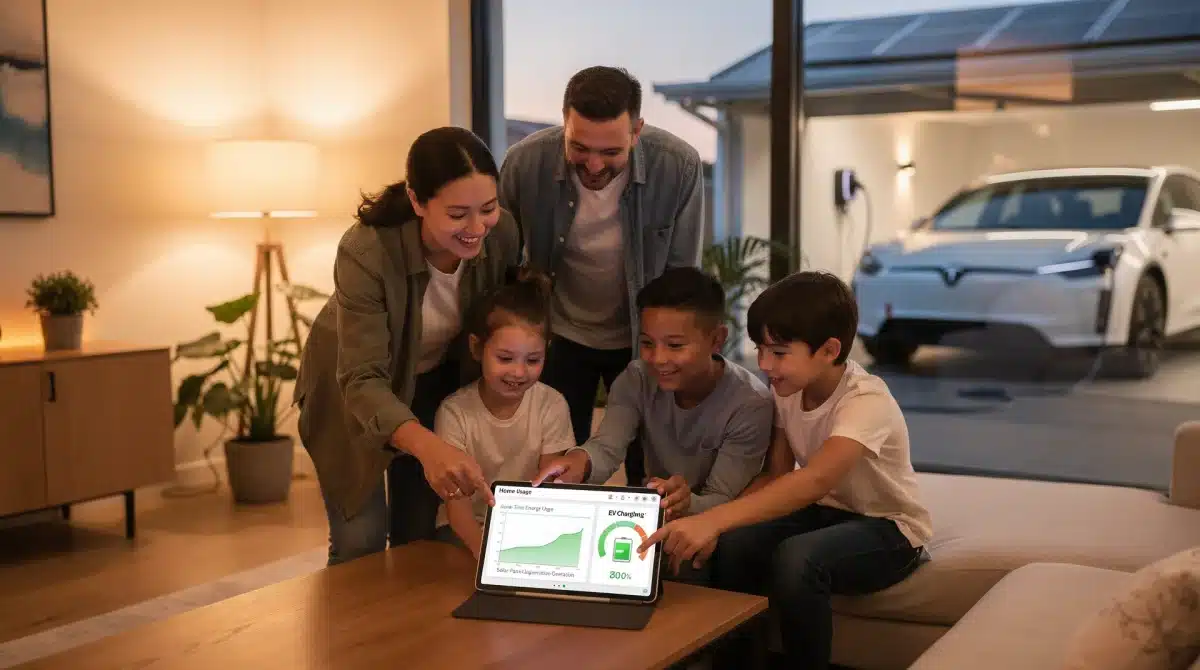
As electric vehicles (EVs) become more prevalent, smart meters also play a crucial role in managing EV charging, which can be a significant load on the grid. Smart charging solutions can schedule charging during off-peak hours or when renewable energy generation is abundant.
This integration of various energy technologies at the household level is creating a more distributed and resilient energy landscape. The impact of Smart Meters and Grid Automation continues to expand.
Policy and Privacy: Addressing the Challenges
While the benefits of smart meters and grid automation are substantial, their widespread deployment also raises important questions regarding policy, privacy, and data security. Regulatory frameworks are evolving to address these concerns.
Governments and utility commissions are working to establish standards for data collection, usage, and consumer protection. Ensuring that energy consumption data remains private and secure is paramount to maintaining public trust and widespread adoption.
Striking the right balance between leveraging data for grid optimization and protecting individual privacy is a complex but essential task in the ongoing development of smart energy systems. This balance is crucial for the long-term success of Smart Meters and Grid Automation.
Data Security and Consumer Trust
The vast amounts of data collected by smart meters present both opportunities and risks. Utilities must implement robust cybersecurity measures to protect this sensitive information from unauthorized access or breaches.
Consumers need assurances that their energy consumption patterns, which can reveal details about their daily routines, are handled responsibly and securely. Transparency in data practices is key to building and maintaining trust.
Ongoing dialogue between utilities, regulators, and consumer advocates is vital to develop policies that safeguard privacy while still allowing for the innovative use of data to improve energy services. This collaborative approach is essential.
- Robust cybersecurity protocols for data protection.
- Transparent utility data usage policies.
- Consumer education on data privacy rights.
- Regulatory oversight to ensure compliance.
In addition to privacy, the cost of smart meter deployment and grid automation is a significant consideration. Utilities often pass these costs on to consumers, necessitating careful cost-benefit analyses and clear communication about the long-term advantages.
Ensuring equitable access to the benefits of these technologies, particularly for low-income households, is another critical policy challenge. Programs to assist vulnerable populations in adopting and benefiting from smart energy solutions are becoming increasingly important.
The successful rollout of smart meters and grid automation relies not only on technological advancement but also on sound policy, strong consumer protections, and a commitment to equitable implementation. The journey of Smart Meters and Grid Automation is multifaceted.
Economic Impact and Investment Trends
The widespread adoption of Smart Meters and Grid Automation is driving significant economic activity and investment across the energy sector. This includes manufacturing, installation, data analytics, and software development.
Utilities are investing billions of dollars in modernizing their infrastructure, creating jobs and stimulating growth in related industries. The development of new services and products around smart meter data is also fostering innovation and competition.
Furthermore, the efficiency gains from smart grid technologies can lead to lower operating costs for utilities, potentially translating into stable or reduced energy prices for consumers over the long term. This economic ripple effect is substantial.
Job Creation and Technological Advancement
The deployment of smart meters requires a skilled workforce for installation, maintenance, and data management. This has led to the creation of new jobs and the need for retraining existing utility personnel.
The demand for specialized software and hardware for grid automation is also spurring innovation in the technology sector. Companies are developing advanced analytics platforms, cybersecurity solutions, and smart home devices that integrate with the new energy ecosystem.
This technological advancement positions the United States at the forefront of energy innovation, driving economic competitiveness and contributing to a high-tech future. The impact of Smart Meters and Grid Automation is felt across industries.
- Growth in manufacturing and installation sectors.
- Increased demand for data scientists and cybersecurity experts.
- Innovation in energy software and hardware development.
- Stimulation of local and national economies.
Venture capital and private equity firms are increasingly investing in companies that offer smart grid solutions, recognizing the immense market potential. This influx of capital further accelerates the pace of innovation and deployment.
The economic benefits extend beyond direct employment and investment, encompassing the broader societal gains from a more reliable, efficient, and sustainable energy system. These include reduced environmental costs and enhanced energy security.
As the smart grid continues to evolve, its economic footprint is expected to grow, cementing its role as a key driver of modern infrastructure development and a critical component of national economic strategy. The continuous evolution of Smart Meters and Grid Automation is an economic engine.
Environmental Benefits and Sustainability Goals
The deployment of Smart Meters and Grid Automation plays a crucial role in achieving environmental sustainability goals. By enabling greater efficiency and integrating more renewable energy, these technologies contribute significantly to reducing carbon emissions.
Smart meters empower consumers to reduce their energy consumption, directly lowering the demand for electricity generated from fossil fuels. This individual action, scaled across millions of households, has a profound collective impact on environmental protection.
Furthermore, grid automation facilitates the large-scale integration of intermittent renewable energy sources like solar and wind, which are essential for decarbonizing the electricity sector. A smarter grid can manage these fluctuations more effectively, ensuring stable power delivery.
Reducing Carbon Footprint Through Efficiency
By providing real-time data, smart meters help identify and address energy waste in homes and businesses. This leads to more efficient energy use, which in turn reduces the overall demand for electricity.
Lower electricity demand directly translates to a reduced need for power generation from fossil fuel plants, thereby decreasing greenhouse gas emissions. Every kilowatt-hour saved contributes to a healthier environment.
The ability to shift energy consumption to off-peak hours, when cleaner energy sources might be more prevalent, also contributes to a lower carbon footprint. This demand-side management is a key benefit of smart grid technologies.
- Direct reduction in household energy consumption.
- Lower demand for fossil fuel-generated electricity.
- Facilitation of renewable energy integration.
- Support for national and global climate goals.
Grid automation also minimizes transmission losses, meaning less energy is wasted as it travels from power plants to homes. This improved efficiency further reduces the overall environmental impact of electricity delivery.
As more households adopt electric vehicles and install rooftop solar, the smart grid becomes even more critical in managing these distributed resources in an environmentally conscious way. It creates a dynamic ecosystem where clean energy is maximized.
The commitment to environmental sustainability is a powerful driver behind the continued investment in and development of smart meter and grid automation technologies. The promise of Smart Meters and Grid Automation is deeply intertwined with a greener future.
Future Outlook: The Evolving Energy Landscape
The journey of Smart Meters and Grid Automation is far from over; it represents an ongoing evolution towards a fully intelligent and interconnected energy ecosystem. Future developments promise even greater levels of automation, personalization, and resilience.
We can expect to see further integration with smart home devices, artificial intelligence-driven energy management, and enhanced cybersecurity measures. The grid will become even more self-aware and predictive, anticipating energy needs and optimizing resources proactively.
The role of the consumer will continue to expand, with new opportunities for participation in local energy markets and even more sophisticated tools for managing their energy footprint. This dynamic evolution will redefine our relationship with energy.
Advanced Analytics and AI Integration
Future smart grids will leverage advanced analytics and artificial intelligence to process the immense volumes of data generated by smart meters. This will enable more precise demand forecasting, predictive maintenance, and optimized energy trading.
AI algorithms will learn individual household energy patterns and automatically adjust settings to maximize efficiency and cost savings, often without direct consumer intervention. This level of automation will further enhance energy autonomy.
The integration of AI will also bolster grid security, allowing for rapid detection and mitigation of cyber threats, ensuring the integrity and reliability of the energy infrastructure. The future of Smart Meters and Grid Automation is intelligent.
- AI-driven energy optimization and forecasting.
- Enhanced predictive maintenance for grid components.
- Sophisticated cybersecurity protection.
- Personalized energy management experiences.
The concept of a “transactive grid,” where energy can be bought and sold between individual prosumers (producers-consumers) and the utility, is also gaining traction. Smart meters will be the backbone of such a decentralized energy marketplace.
This could lead to highly localized energy grids, sometimes referred to as microgrids, which can operate independently during larger grid outages, providing enhanced resilience and reliability for specific communities or campuses.
The continuous innovation in smart grid technologies promises a future where energy is not only cleaner and more reliable but also more democratic and responsive to individual and community needs. This forward trajectory is a testament to the power of Smart Meters and Grid Automation.
| Key Point | Brief Description |
|---|---|
| 65 Million Utilities | Significant milestone in US smart meter deployment, transforming energy management. |
| Household Autonomy | Consumers gain unprecedented control over energy use, generation, and storage. |
| Grid Modernization | Automation enhances grid resilience, efficiency, and renewable energy integration. |
| Policy & Privacy | Evolving regulations address data security and consumer protection concerns. |
Frequently Asked Questions About Smart Meters and Grid Automation
A smart meter is an electronic device that records consumption of electric energy in intervals of an hour or less and communicates that information back to the utility for monitoring and billing. Unlike traditional meters, smart meters enable two-way communication, providing real-time data for both consumers and utilities.
Grid automation improves the reliability and efficiency of electricity delivery by quickly detecting and responding to outages, optimizing power flow, and integrating renewable energy sources. For households, this means fewer power interruptions, more stable voltage, and potentially lower energy costs due to improved grid management.
Yes, smart meters provide detailed insights into your energy consumption patterns, allowing you to identify energy-intensive activities and make informed decisions to reduce usage. Many utilities also offer time-of-use rates or demand-response programs, which smart meters enable, allowing you to save money by shifting energy consumption to off-peak hours.
Privacy concerns primarily revolve around the granular data collected by smart meters, which can reveal details about daily household activities. Utilities and regulators are implementing robust cybersecurity measures and privacy policies to protect this data, ensuring it is used responsibly and securely to maintain consumer trust.
Smart meters are crucial for integrating renewable energy sources like solar and wind by accurately measuring both energy consumption from and generation back to the grid. They enable net metering and provide the data needed for grid automation systems to balance fluctuating renewable output with overall demand, ensuring grid stability and efficiency.
Looking Ahead: The Future of Energy Autonomy
The journey of Smart Meters and Grid Automation is fundamentally reshaping the energy landscape in the United States. The current trajectory indicates a future with greater consumer empowerment, enhanced grid resilience, and a more sustainable energy system.
Continued investment in these technologies, coupled with evolving policy frameworks, will be crucial in realizing the full potential of a truly smart grid.
Readers should monitor ongoing legislative developments and utility programs, as these will directly influence the pace and direction of energy innovation and the opportunities for individual energy autonomy.
